Archives

  • 1 in 2 Black teens faced online racism in 2020
  • Play Video

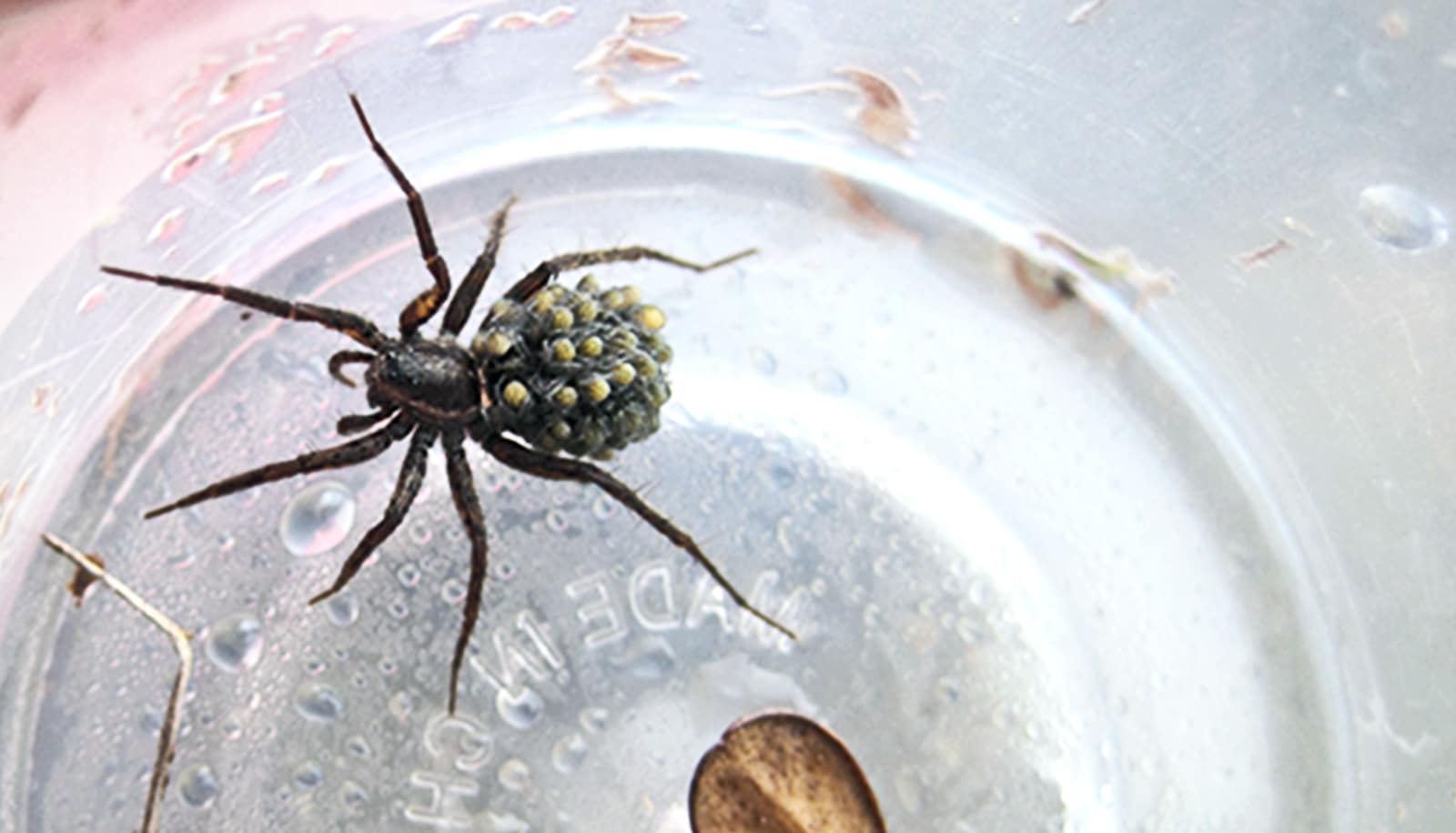
    Dead wolf spider legs become handy grippers

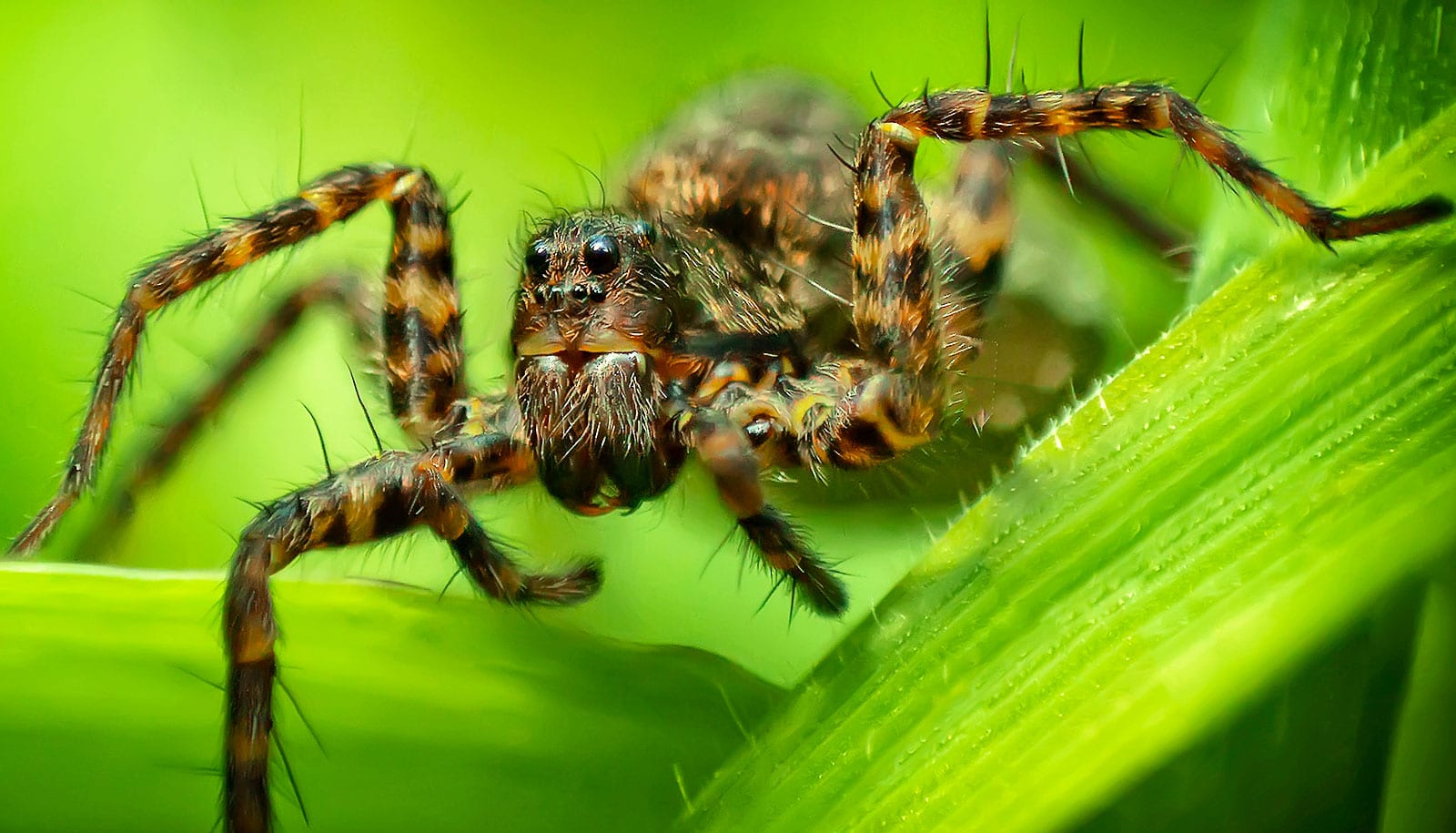
    "This area of soft robotics is a lot of fun because we get to use previously untapped types of actuation and materials," Daniel Preston says. "The spider falls into this line of inquiry. It's something that hasn't been used before but has a lot of potential." (Credit: Getty Images)

    Mechanical engineers are repurposing deceased spiders as mechanical grippers that can blend into natural environments while picking up objects, like other insects, that outweigh them.

    Why? “It happens to be the case that the spider, after it’s deceased, is the perfect architecture for small scale, naturally derived grippers,” says Daniel Preston, an assistant professor of mechanical engineering at Rice University.

    A new study in Advanced Science outlines the process Preston and lead author Faye Yap used to harness a spider’s physiology in a first step toward a new area of research they call “necrobotics.”

    Preston’s lab specializes in soft robotic systems that often use nontraditional materials, as opposed to hard plastics, metals, and electronics.

    “We use all kinds of interesting new materials like hydrogels and elastomers that can be actuated by things like chemical reactions, pneumatics, and light,” he says. “We even have some recent work on textiles and wearables.

    “This area of soft robotics is a lot of fun because we get to use previously untapped types of actuation and materials,” Preston says. “The spider falls into this line of inquiry. It’s something that hasn’t been used before but has a lot of potential.”

    Spider gripper hydraulics

    Unlike people and other mammals that move their limbs by synchronizing opposing muscles, spiders use hydraulics. A chamber near their heads contracts to send blood to limbs, forcing them to extend. When the pressure is relieved, the legs contract.

    The cadavers Preston’s lab pressed into service were wolf spiders, and testing showed they were reliably able to lift more than 130% of their own body weight, and sometimes much more. The researchers had the grippers manipulate a circuit board, move objects, and even lift another spider.

    The researchers note smaller spiders can carry heavier loads in comparison to their size. Conversely, the larger the spider, the smaller the load it can carry in comparison to its own body weight. Future research will likely involve testing this concept with spiders smaller than the wolf spider, Preston says.

    The project began shortly after Preston established his lab in Rice’s mechanical engineering department in 2019, Lap says.

    “We were moving stuff around in the lab and we noticed a curled up spider at the edge of the hallway,” she says. “We were really curious as to why spiders curl up after they die.”

    The experiments may sound like the stuff of nightmares, but they don’t qualify as reanimation.

    A quick search found the answer: “Spiders do not have antagonistic muscle pairs, like biceps and triceps in humans,” Yap says. “They only have flexor muscles, which allow their legs to curl in, and they extend them outward by hydraulic pressure. When they die, they lose the ability to actively pressurize their bodies. That’s why they curl up.

    “At the time, we were thinking, ‘Oh, this is super interesting.’ We wanted to find a way to leverage this mechanism,” she says.

    Internal valves in the spiders’ hydraulic chamber, or prosoma, allow them to control each leg individually, and that will also be the subject of future research, Preston says. “The dead spider isn’t controlling these valves,” he says. “They’re all open. That worked out in our favor in this study, because it allowed us to control all the legs at the same time.”

    Setting up a spider gripper was fairly simple. Yap tapped into the prosoma chamber with a needle, attaching it with a dab of superglue. The other end of the needle was connected to one of the lab’s test rigs or a handheld syringe, which delivered a minute amount of air to activate the legs almost instantly.

    The lab ran one ex-spider through 1,000 open-close cycles to see how well its limbs held up, and found it to be fairly robust. “It starts to experience some wear and tear as we get close to 1,000 cycles,” Preston says. “We think that’s related to issues with dehydration of the joints. We think we can overcome that by applying polymeric coatings.”

    Cool stunt to useful tech

    Preston says a few necrobotic applications have occurred to him. “There are a lot of pick-and-place tasks we could look into, repetitive tasks like sorting or moving objects around at these small scales, and maybe even things like assembly of microelectronics,” he says.

    “Another application could be deploying it to capture smaller insects in nature, because it’s inherently camouflaged,” Yap adds.

    “Also, the spiders themselves are biodegradable,” Preston says. “So we’re not introducing a big waste stream, which can be a problem with more traditional components.”

    Preston and Yap are aware the experiments may sound to some people like the stuff of nightmares, but they say what they’re doing doesn’t qualify as reanimation.

    “Despite looking like it might have come back to life, we’re certain that it’s inanimate, and we’re using it in this case strictly as a material derived from a once-living spider,” Preston says. “It’s providing us with something really useful.”

    Graduate students Zhen Liu and Trevor Shimokusu and postdoctoral fellow Anoop Rajappan are coauthors of the paper.

    Rice and a NASA Space Technology Graduate Research Opportunity award supported the research.

    Source: Rice University

    Play Video

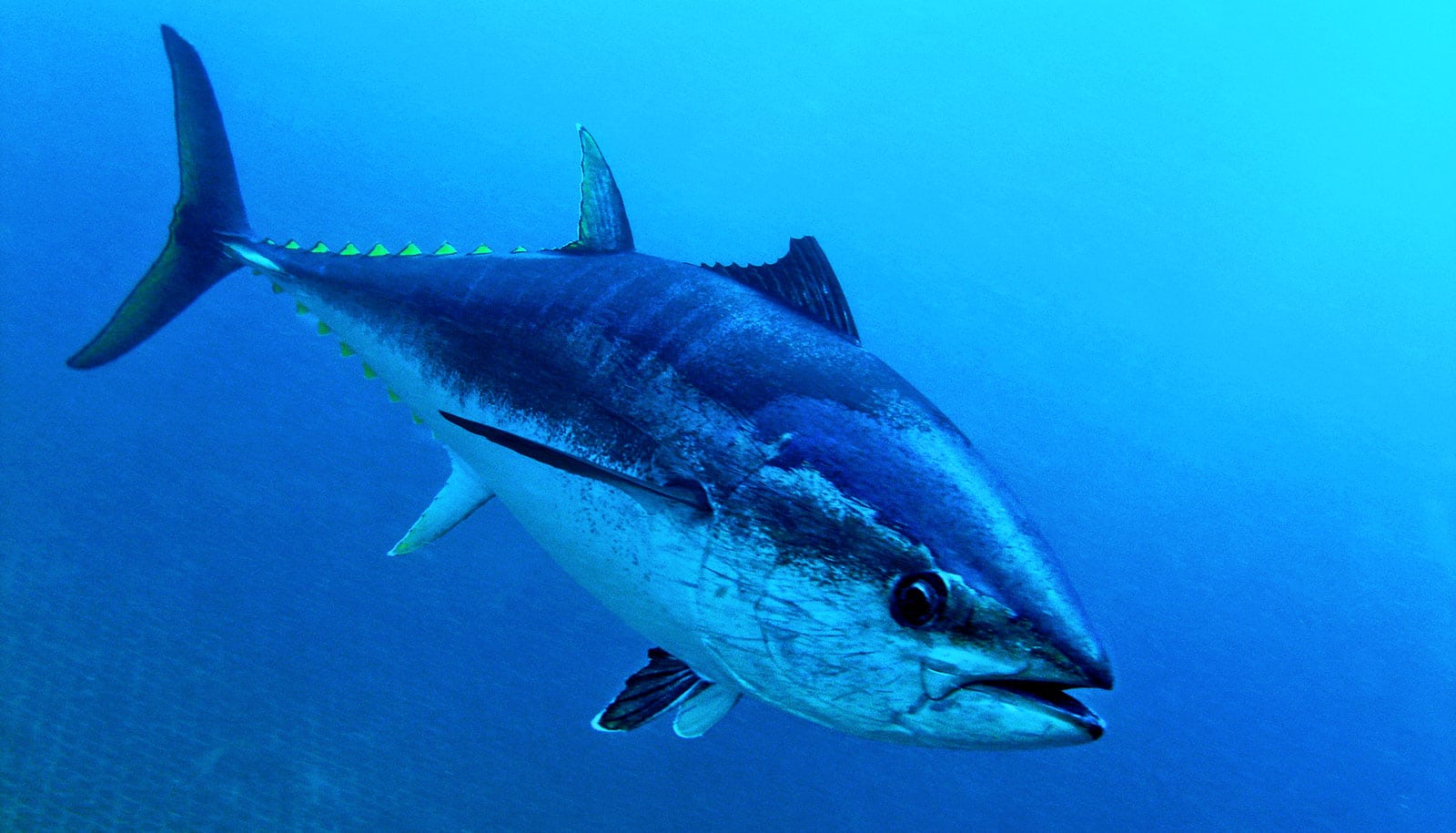
    Hydraulic system in fins gives tuna extra speed

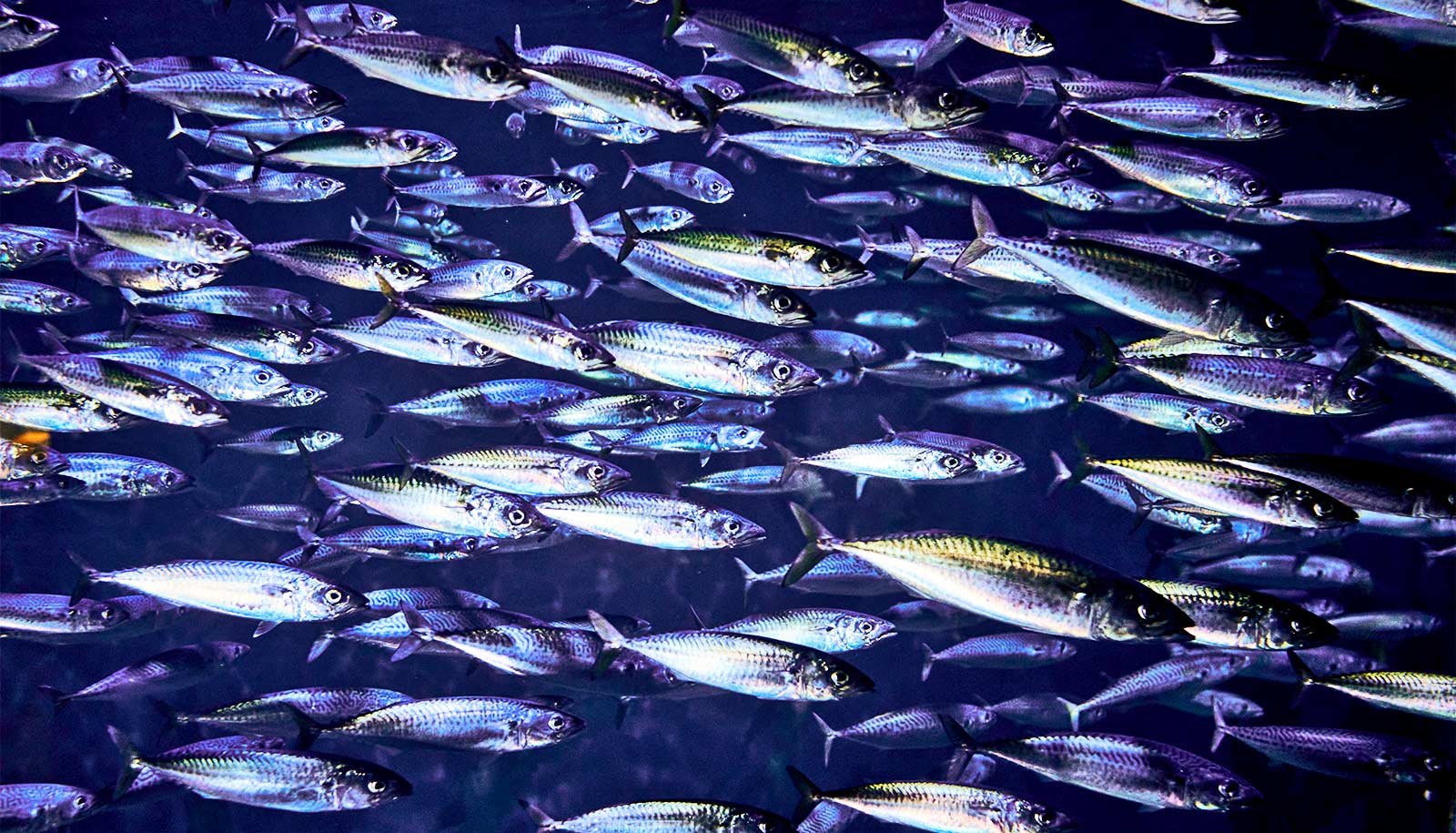
    (Credit: Getty Images)

    New research suggests that pressurized hydraulic fin control—a vascular specialization that is unique among vertebrates—supports the outstanding maneuverability and precision locomotion of tuna.

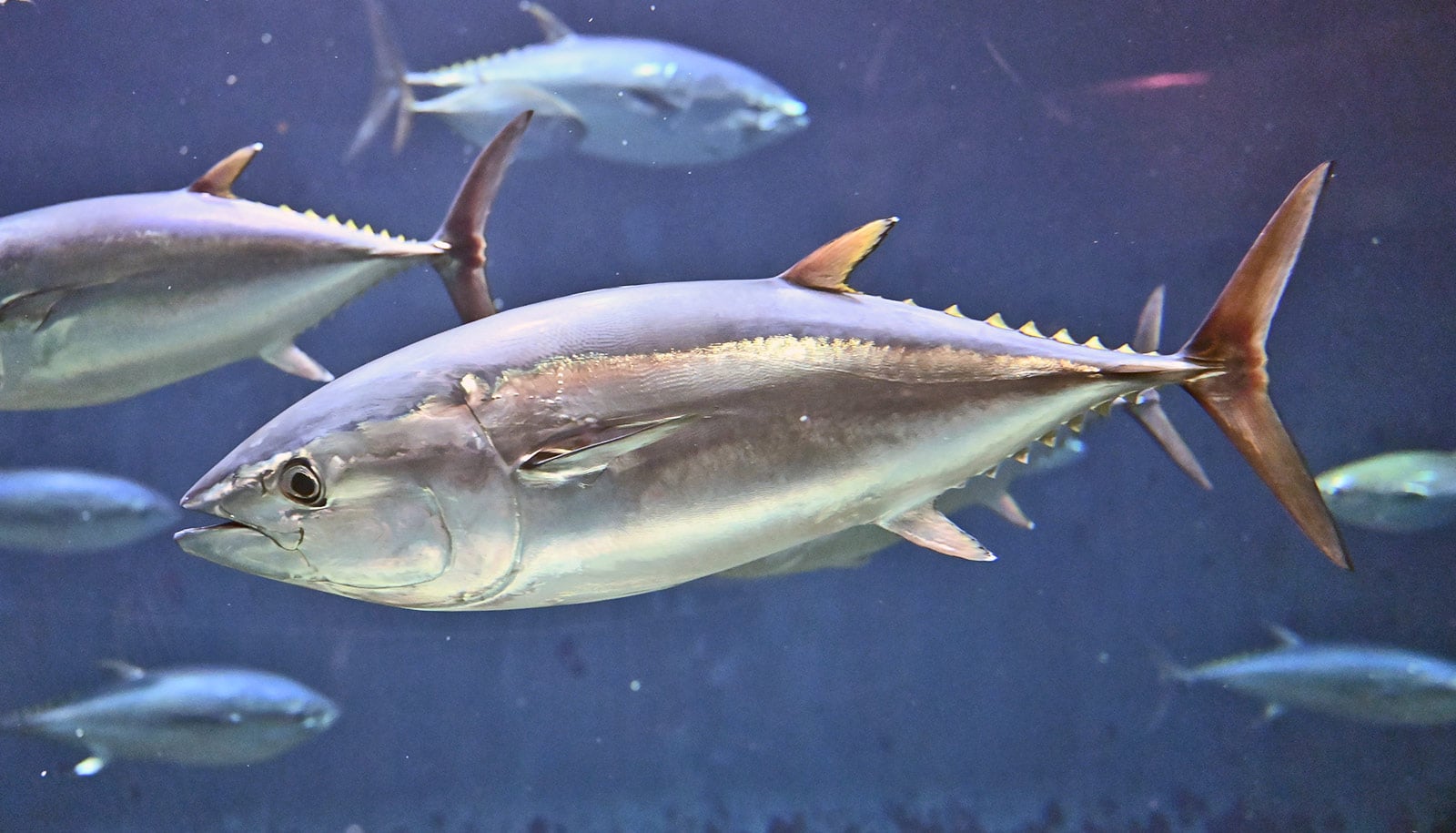
    Cutting through the ocean like jets through the sky, giant bluefin tuna are built for performance, endurance, and speed. Just as the fastest planes have carefully positioned wings and tail flaps to ensure precision maneuverability and fuel economy, bluefin tuna need the utmost control over their propulsive and stabilizing structures as they speed through the ocean.

    Through studying the anatomy, physiology, locomotion, and fin movements of Pacific bluefin and yellowfin tuna swimming in tanks, researchers found evidence of the biological hydraulic system in the large sickle-shaped fins centered above and below the tuna’s body, called the median fins.

    “Animals are exciting sources of elegant engineering solutions in aero- and hydrodynamics. What we have discovered in these tunas is unlike other animal hydraulic systems. It’s a musculo-vascular complex that is integrating the lymphatic system, the skeletal muscles, and fin bones,” says Vadim Pavlov, a postdoctoral fellow at Stanford University and a lead author of the research.

    “We’ve shown that in tunas and their fast-swimming relatives this complex functions to generate hydraulic pressure that provides fine adjustment of the shape of their fins. By expanding or retracting their dorsal and anal fins, they alter the physical forces generated by fins, allowing for maneuverability.”

    “I think we realized pretty early that this is a novel finding and a unique system…”

    The tuna’s ability to move these median fins quickly and precisely with a hydrodynamic mechanism may be an advantage in turning maneuvers undertaken during prey search, feeding, and long-distance swimming, where careful energy expenditure is vital.

    This system of hydraulic control could enhance the design used in sailing vessels and autonomous vehicles, many of which already mimic the sleek design of the tuna’s body shape.

    ‘A unique system’

    Over a decade ago, Barbara Block, a professor in marine sciences at Stanford, and colleagues from the Monterey Bay Aquarium introduced Pacific bluefin tuna into the aquarium’s million-gallon Open Sea exhibit.

    “We were all mesmerized by watching the beauty of form and function of these majestic fish through the glass of the Monterey Bay Aquarium,” says Block, whose Tuna Research and Conservation Center (TRCC) partnership with the Monterey Bay Aquarium has been maintaining tuna in captivity at the university’s Hopkins Marine Station for more than 20 years.

    During her observations of these fish, Block noticed that the Pacific bluefin tuna, which grew to be giants in the exhibit with some reaching over 300 pounds, were making fine adjustments to their pectoral, median, and tail fins. These traits became the focus of several undergraduate internship projects, which involved filming the Pacific bluefin tuna swimming and foraging at the aquarium’s spectacular main exhibit. But it wasn’t until the arrival of Pavlov at the Block lab that the mystery of the median fins was finally solved.

    Pavlov, working with undergraduate Nate Hansen, identified an unusual sinus, or cavity, filled with liquid beneath the base of both the dorsal and anal median fins.

    The structure seemed enigmatic until they realized that this system of vascular channels, muscles, and bones appears to be a biological analog of a canonical hydraulic system. The muscles pressurize the liquid, which helps change the fins’ shape and position for swimming and maneuvering control. Figuring out what fluid was driving the pressurization required expertise from a different field.

    “The finding was unexpected. Pavlov found this sinus area in the fin and associated structures and invited me to see if it was associated with the lymphatic system,” says Benyamin Rosental, a postdoctoral research fellow in stem cell biology and regenerative medicine and a co-lead author of the paper.

    “I think we realized pretty early that this is a novel finding and a unique system,” he says.

    To identify the origin of the vascular input into the hydraulic system and its connection to the lymphatic system, the team recorded videos of Pacific bluefin and yellowfin tuna swimming in the facilities at the TRCC where close proximity to the fish enabled them to see the subtle changes in angle of attack of the median fins.

    The footage allowed the researchers to establish how the tuna changed the area and shape of these fins in order to execute different maneuvers. Paired with computer model simulations, the team also showed how fluid flowed across the tuna, impacting the forces generated by the fin at different swimming speeds.

    “To our knowledge, this evolutionary mechanism of fishes has never before been reported…”

    Confirming that the hydraulic system was part of the tuna’s lymphatic system was another challenging task. Although lymphatic systems are critical for immune function, lymphatic fluid has previously not been found to be used as a hydraulic fluid in locomotion.

    The researchers conducted detailed examinations of the pathways of the vasculature within the fins, studied the microscopic structure of the tissues and tested the cellular makeup of the fluid within this vasculature, which demonstrated it was lymph fluid.

    Lymphatic vessels are normally small and difficult to distinguish by the naked eye, but in tuna they are transformed into a specialized system of large vessels and channels in median fins. With lymph acting as hydraulic fluid, increased pressure in these channels affects the fin’s position and, probably, the stiffness that together alters hydrodynamic properties of fins.

    The capacity to rapidly adjust the fin positions affects the lift to drag forces on the fins and prevents the tuna from rolling and yawing during active swimming, limiting energy loss during long migrations.

    Why fish bend their fins like floppy slices of pizza

    Tuna have numerous morphological, physiological, and behavioral adaptations to move rapidly through the water column and a sophisticated physiology that includes elevated metabolism, a unique cardiovascular system and a warm body temperature. These features require a well-developed lymphatic system to maintain water balance in tissues and protect organisms from infection. Now, the evolution of tuna physiology can also include this unique hydraulic function.

    “The primary examples of bio-hydraulics are in invertebrate animals like mollusks, crustaceans, and jellyfish,” Block says.

    “It’s unusual to observe bio-hydraulic locomotion in vertebrate animals, which involves the integration of muscle, fluid, and bone structures. To our knowledge, this evolutionary mechanism of fishes has never before been reported and might have remained hidden if it weren’t for the ability to see these fish in action in captivity. It illuminates how nontransparent our ocean realm is and how much is left to discover.”

    Tuna technology

    The dorsal and anal fins are typically oriented straight up and down and are involved in the control of body posture and swimming trajectories. In this way, these median fins are analogous to hydrofoils and generate lift forces, sideways, as the fin plane makes an angle to the water the fish is swimming through.

    The team found that the biomechanics of tuna’s median fins closely align with the three elements of a canonical hydraulic system: muscles that serve as a hydraulic pump to create pressure in the fluid, vascular vessels to guide and control the system, and fin rays acting as actuators to convert pressure energy into mechanical energy.

    “The natural mechanism of hydraulic control of fins could be very attractive in designing of new ‘smart’ control surfaces with changeable shape and stiffness,” Pavlov says. “This could, for example, enhance the maneuverability of the air and underwater unmanned vehicles.”

    Rosental hopes to continue researching this lymphatic network to see if structures within it serve the same immunological purpose as lymph nodes in mammals.

    Fish fins can sense touch just like fingertips

    As part of their ongoing research on the physiology and biomechanics of tuna, the Block lab and the TRCC are currently placing high-tech camera tags with motion sensors on tuna to better understand their swimming kinematics.

    The study appears in the journal Science. Additional coauthors of the paper are from Stanford University and the Tuna Research and Conservation Center at the Monterey Bay Aquarium.

    The Vice Provost for Undergraduate Education at Stanford University, the Office of Naval Research, the Monterey Bay Aquarium, the Human Frontier Science Program Organization, and the National Institutes of Health funded this research.

    Source: Stanford University