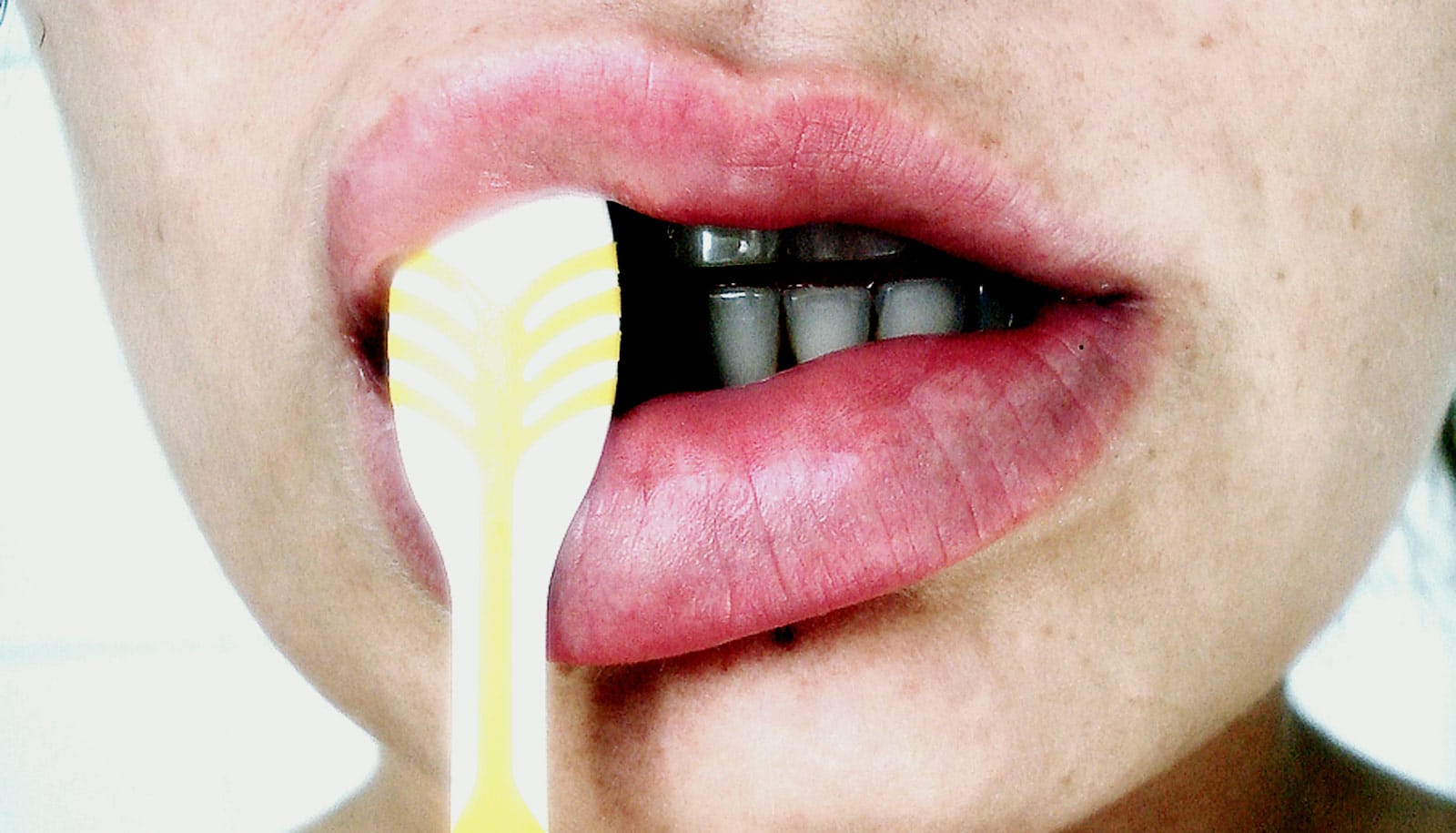
Here’s how to choose a toothbrush, one that won’t cause gum recession or other oral health hazards.
“One of the most important things about choosing a toothbrush is to make sure that your toothbrush has soft bristles,” says Deborah Foyle, clinical assistant professor and director of pre-doctoral periodontics at the Texas A&M College of Dentistry.
“You’re much less likely to do damage to both your teeth and your gums if you’re using a softer toothbrush.”
Soft and rounded bristles are gentle on your teeth and gums, unlike hard and rough bristles that can stress your gums, which can lead to gum recession. Furthermore, she recommends finding a toothbrush that fits both your hand and mouth.
“It’s very important to choose a toothbrush head that matches your mouth, so if you have a smaller mouth, you want to have a smaller head. Often people just prefer a smaller head because it’s easier to manipulate in their mouth.”
And, don’t forget to replace your brush every two to three months, or as soon as you notice the bristles start to splay or curl.
Source: Mary Leigh Meyer for Texas A&M University