Archives

Play Video

3D printing uses plant-based ‘ink’ to make complex stuff

(Credit: ETH Zurich)

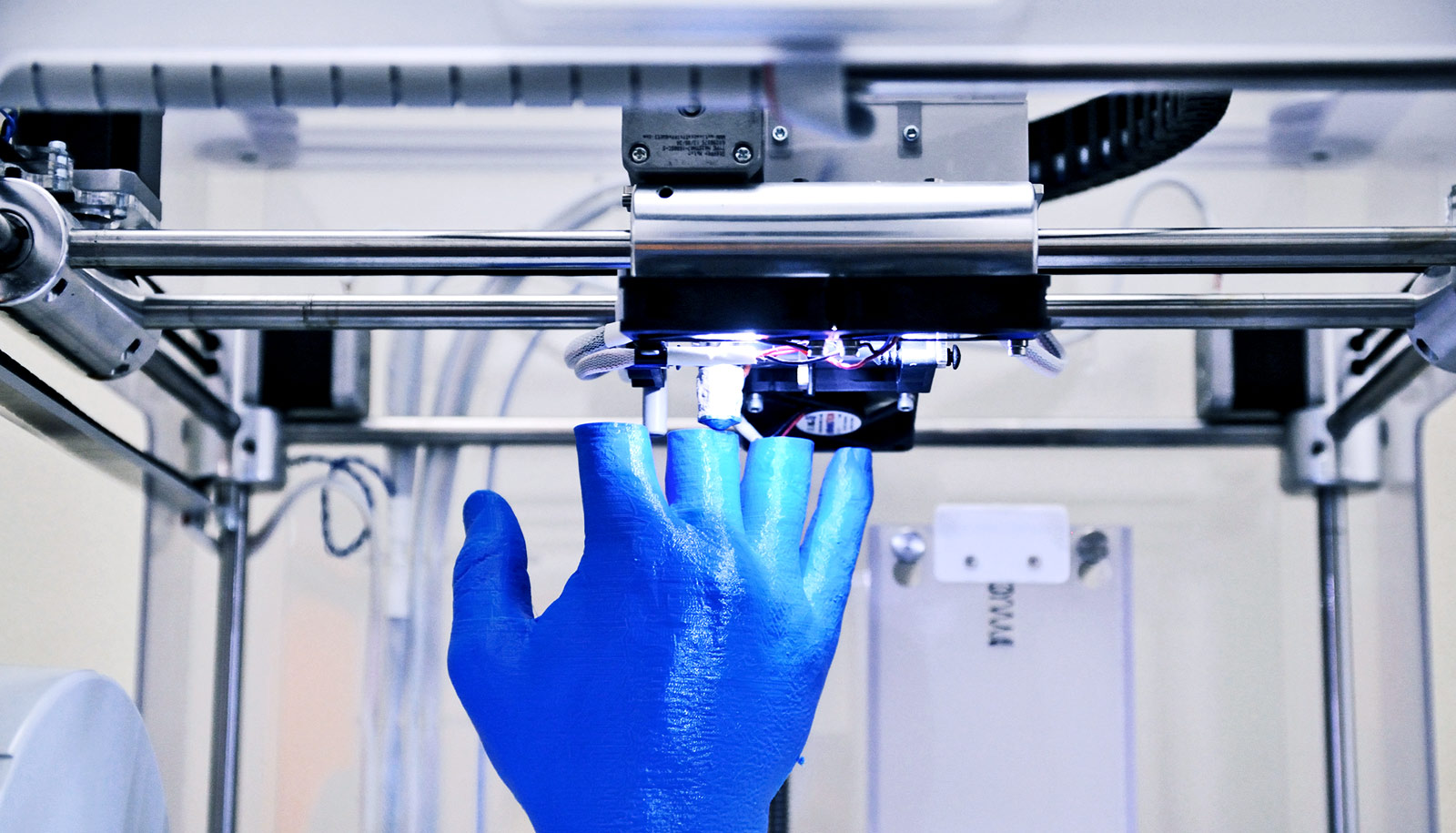
Researchers have 3D printed complex objects with higher cellulose content than any other additively manufactured cellulose-based parts.

Trees and other plants lead the way: they produce cellulose themselves and use it to build complex structures with extraordinary mechanical properties.

That makes cellulose attractive to materials scientists who are seeking to manufacture sustainable products with special functions. However, processing materials into complex structures with high cellulose content is still a big challenge for materials scientists.

Researchers from ETH Zurich and Empa have now found a way to process cellulose using 3D printing so as to create objects of almost unlimited complexity that contain high levels of cellulose particles.
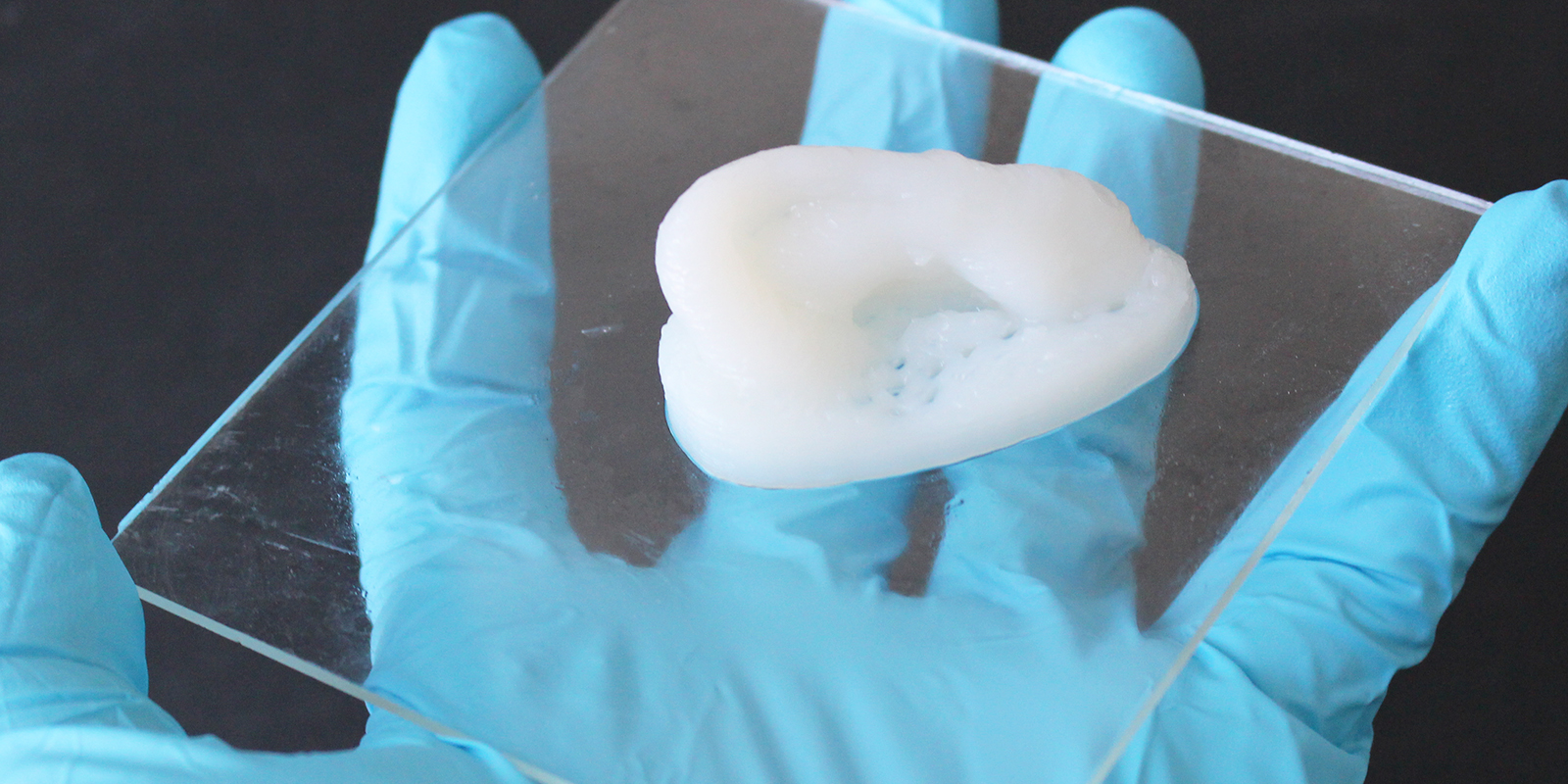
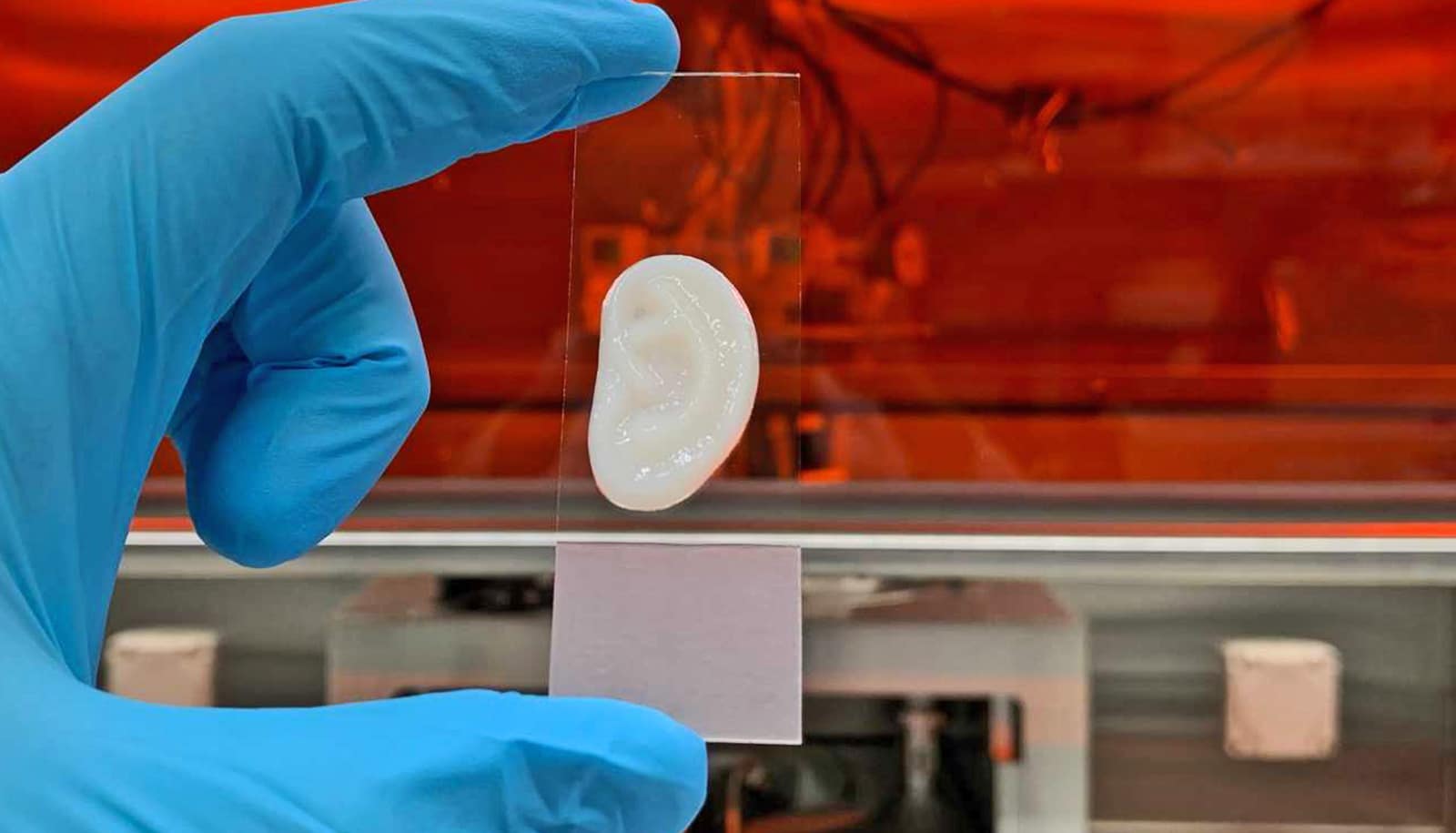
A white 3D-printed ear sits on a clear piece of glass or plastic in a researcher's blue-gloved hand
A 3D-​printed ear cartilage imitation made of the cellulose composite material. (Credit: Michael Hausmann/ETH Zurich/Empa)

To do this, they combined printing via direct ink writing (DIW) method with a subsequent densification process to increase the cellulose content of the printed object to a volume fraction of 27%.

The researchers are admittedly not the first to process cellulose with the 3D printer. However, previous approaches, which also used cellulose-containing ink, have not been able to produce solid objects with such a high cellulose content and complexity.

A trick to make the ink

The composition of the printing ink is extremely simple. It consists only of water in which cellulose particles and fibers measuring a few hundred nanometers have been dispersed. The cellulose content is in between six and 14% of the ink volume.

The researchers used the following trick to densify the printed cellulose products: After printing a cellulose-based water ink, they put the objects in a bath containing organic solvents. As cellulose does not like organic solvents, the particles tend to aggregate. This process results into shrinkage of the printed part and consequently to a significant increase in the relative amount of cellulose particles within the material.

In a further step, the scientists soaked the objects in a solution containing a photosensitive plastic precursor. By removing the solvent by evaporation, the plastic precursors infiltrate the cellulose-based scaffold.

Next, to convert the plastic precursors into a solid plastic, they exposed the objects to UV light. This produced a composite material with a cellulose content of the aforementioned 27 volume percent. “The densification process allowed us to start out with a 6 to 14% in volume of water-cellulose mixture and finish with a composite object that exhibits up to 27 volume percent of cellulose nanocrystals,” says Hausmann.

As if that were not enough, depending on the type of plastic precursor used, the researchers can adjust the mechanical properties of the printed objects, such as their elasticity or strength. This allows them to create hard or soft parts, depending on the application.

3D printing with cellulose

Using this method, the researchers were able to manufacture various composite objects, including some of a delicate nature, such as a type of flame sculpture that is only 1 millimeter thick. However, densification of printed parts with wall thickness higher than five millimeters lead to distortion of the structure because the surface of the densifying object contracts faster than its core.
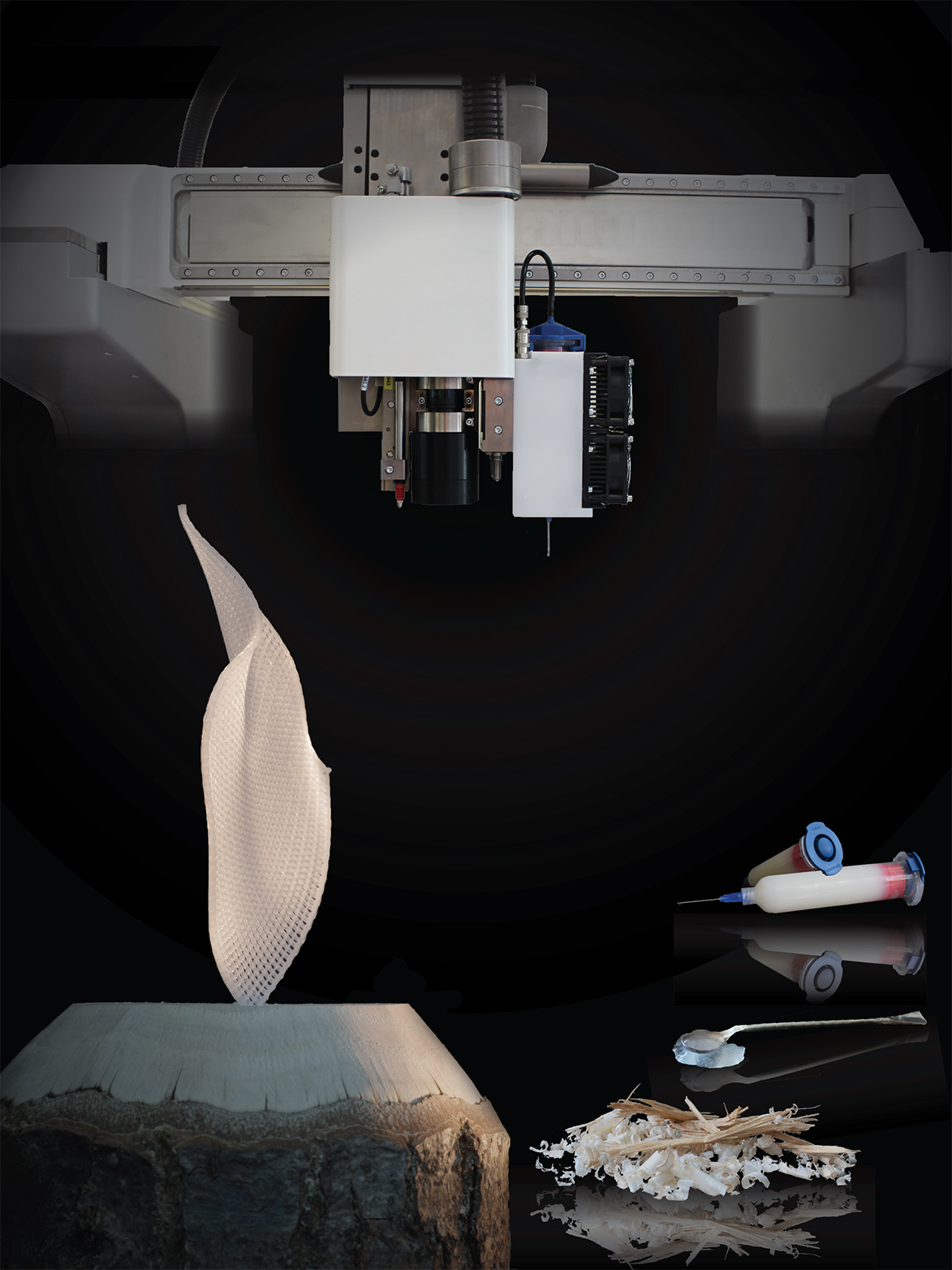
The incredibly thin material is shaped into a structure that looks like a flickering flame
A flame of cellulose composite material. (Credit: ETH Zurich)

The researchers investigated their objects using X-ray analyses and mechanical tests. Their findings showed that the cellulose nanocrystals are aligned similarly to those present in natural materials.

“This means that we can control the cellulose microstructure of our printed objects to manufacture materials whose microstructure resembles those of biological systems, such as wood,” says Rafael Libanori, senior assistant in ETH professor André Studart’s research group.

The printed parts are still small—laboratory scale, you could say. But there are many potential applications, from customized packaging to cartilage-replacement implants for ears. The researchers have also printed an ear based on a human model. Until such a product could be used in clinical practice, however, more research and, above all, clinical trials are necessary.

This kind of cellulose technology could also be of interest to the automotive industry. Japanese carmakers have already built a prototype of a sports car for which the body parts are made almost entirely of cellulose-based materials.

The research appears in Advanced Functional Materials.

Source: ETH Zurich
Play Video

Watch: 3D printer uses ink made with live bacteria

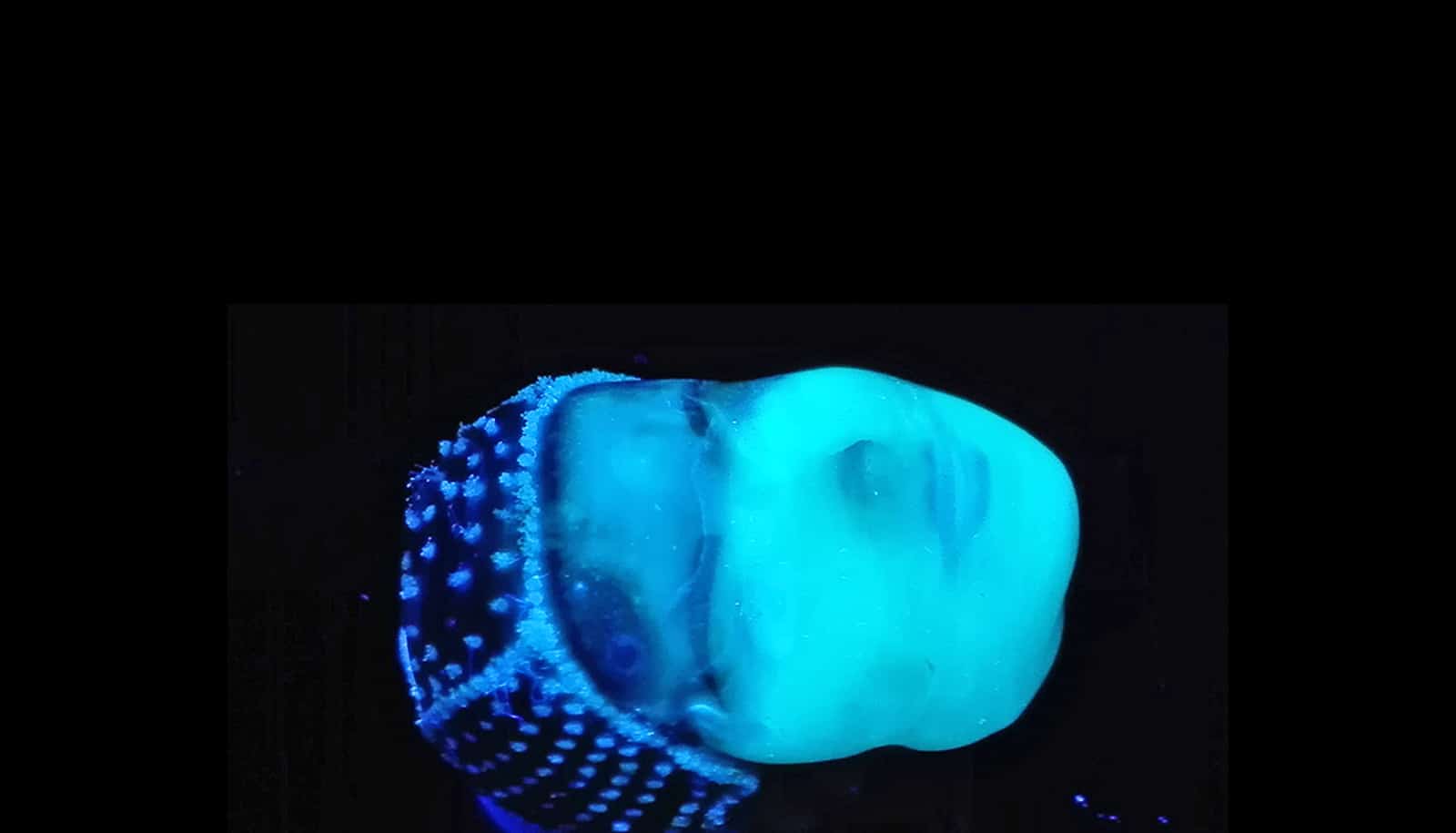
Researchers can print the bacterial ink on a complex three-dimensional surface such as this doll's head. (Credit: ETH Zurich)

Researchers have created a new kind of 3D-printing platform that uses ink containing living bacteria.

The new ink makes it possible to print small biochemical factories with certain properties, depending on the species of bacteria in the ink. The work also paves the way for the production of biological materials capable of breaking down toxic substances or high-purity cellulose for biomedical applications.

The scientists have named their new printing material “Flink,” which stands for “functional living ink.”

Different bacteria, different functions

The new printing platform offers numerous potential combinations. In a single pass, the scientists can use up to four different inks containing different species of bacteria at different concentrations in order to produce objects with different properties.

3D printing with bacteria illustration
3D printing with a new kind of ink containing living bacteria. (Credit: Science Animated by Bara Krautz/ETH Zurich)

A biocompatible hydrogel provides the ink structure. The hydrogel itself is composed of hyaluronic acid, long-chain sugar molecules, and pyrogenic silica. Researchers mix the culture medium for the bacteria into the ink so that the bacteria have all the prerequisites for life.

Using this hydrogel as a basis, the researchers can add bacteria with the desired “range of properties” and then print any three-dimensional structure they like.

André Studart, head of the Laboratory for Complex Materials at ETH Zurich, and first authors Patrick Rühs and Manuel Schaffner used the bacteria Pseudomonas putida and Acetobacter xylinum in their work.

The former can break down the toxic chemical phenol, which is produced on a grand scale in the chemical industry, while the latter secretes high-purity nanocellulose. This bacterial cellulose relieves pain, retains moisture, and is stable, opening up potential applications in the treatment of burns.

‘Between toothpaste and hand cream’

During the development of the bacteria-containing hydrogel, the gel’s flow properties posed a particular challenge: the ink must be fluid enough to be forced through the pressure nozzle.

The consistency of the ink also affects the bacteria’s mobility. The stiffer the ink, the harder it is for them to move. If the hydrogel is too stiff, however, Acetobacter secretes less cellulose.

ETH logo (3D printing with bacteria)
The ETH logo, printed in 3D, layer by layer, with bacterial printing ink. (Credit: ETH Zurich)

At the same time, the printed objects must be sturdy enough to support the weight of subsequent layers. If they are too fluid, they collapse under the weight, making it impossible to print stable structures.

“The ink must be as viscous as toothpaste and have the consistency of Nivea hand cream,” is how Schaffner describes the successful formula.

As yet, the material scientists have not studied the lifespan of the printed minifactories. “As bacteria require very little in the way of resources, we assume they can survive in printed structures for a very long time,” says Rühs.

However, the research is still in its initial stages. “Printing using bacteria-containing hydrogels has enormous potential, as there is such a wide range of useful bacteria out there,” says Rühs, who blames the bad reputation attached to microorganisms for the almost total lack of existing research into additive methods using bacteria.

“Most people only associate bacteria with diseases, but we actually couldn’t survive without bacteria,” he says. The researchers believe their new ink is completely safe; the bacteria they use are all harmless and beneficial.

Potential applications

The researchers imagine many potential uses for their new platform beyond applications in medicine and biotechnology.

For example, the printed objects could be used to study degradation processes or biofilm formation. One practical application might be a 3D-printed sensor containing bacteria that could detect toxins in drinking water. Another idea would be to create filters for use in disastrous oil spills.

3D printing bacteria
Rod-shaped bacteria produce cellulose, recognizable as a thread-like structures. (Credit: ETH Zurich)

First, it will be necessary to overcome the challenges of the slow printing time and difficult scalability. Acetobacter currently takes several days to produce cellulose for biomedical applications. However, the scientists are convinced that they can further optimize and accelerate the processes.

5 ways 3D printing could totally change medicine

The researchers report their findings in the journal Science Advances.

Source: ETH Zurich