Archives

  • Pick your own exercise goals to make changes that last
  • Play Video

    New ceramics self-heal cracks at room temp

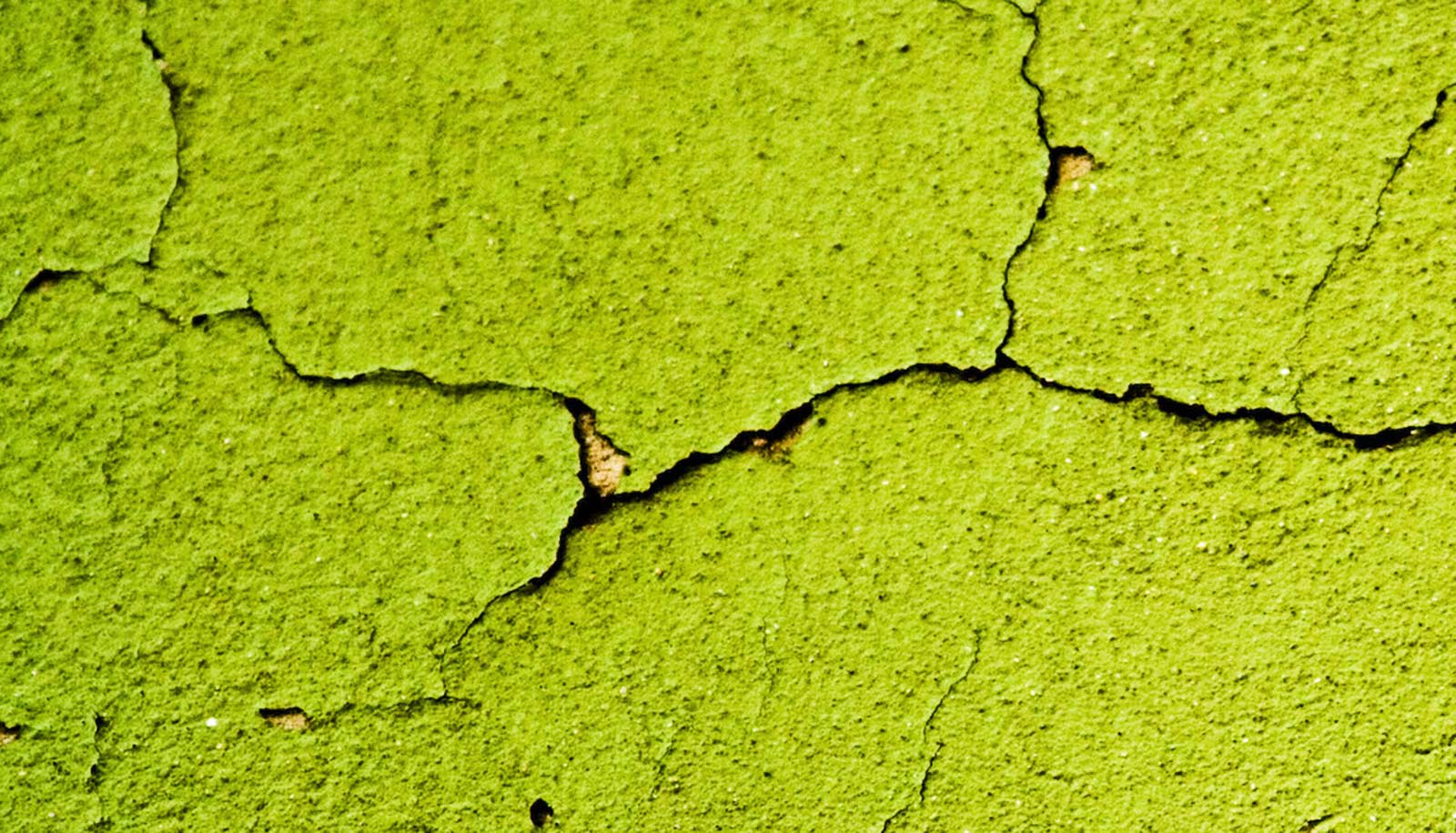
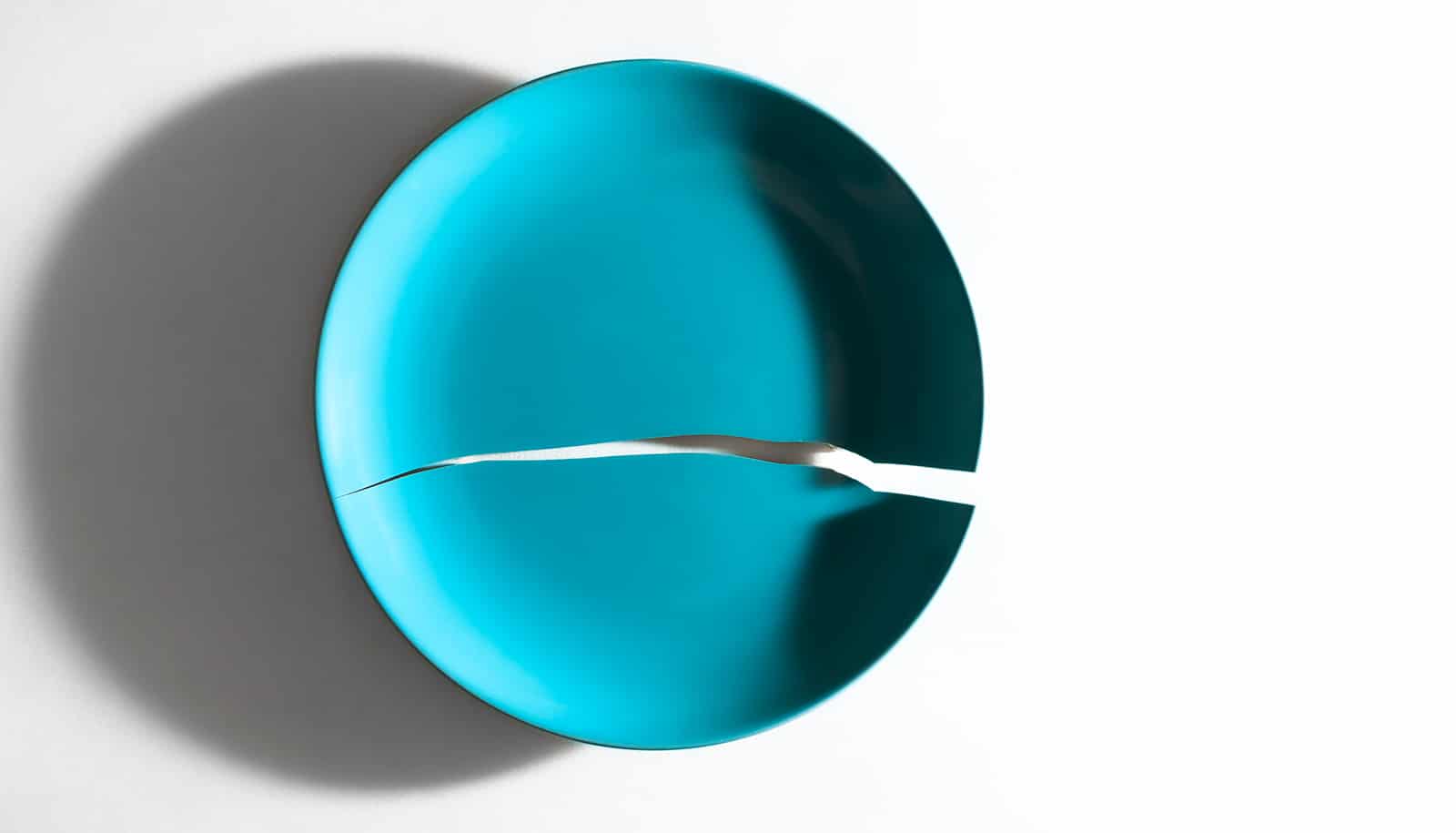
    "So far, self-healing of cracks in ceramics has only been achieved at very high-temperatures by oxidation and that is why self-healing of cracks at room-temperature by kink-band formation is remarkable," says Ankit Srivastava. (Credit: Getty Images)

    Researchers have discovered a class of ceramics called MAX phases that can self-heal cracks even at room temperature.

    They’ve shown that these engineered ceramics form natural faults or kink-bands during loading that can not only effectively stop cracks from growing, but can also close and heal them, thereby preventing catastrophic failure.

    “What’s really exciting about MAX phases is that they readily form kink-bands under loading which can self-heal cracks even at room temperature, making them suitable for a variety of advanced structural applications,” says Ankit Srivastava, assistant professor in the materials science and engineering department at Texas A&M University as well as a corresponding author of the study in Science Advances.

    “So far, self-healing of cracks in ceramics has only been achieved at very high-temperatures by oxidation and that is why self-healing of cracks at room-temperature by kink-band formation is remarkable.”

    This remarkable behavior of MAX phases ceramics can be traced back to their atomically layered structures.

    “Imagine a plain loaf of bread, it is homogeneous, so if I slice it up, each slice will look the same—similar in idea to conventional ceramics,” says Miladin Radovic a professor in the materials science and engineering department and also a corresponding author of the study. “But MAX phases are layered like a peanut butter sandwich with peanut butter between two slices of bread.”

    The researchers then investigated if this unique layered structure of MAX phases makes them any different from conventional ceramics. For their experiments, they used single crystal samples of chromium aluminum carbide MAX phase synthesized by senior author Thierry Ouisse of Université Grenoble Alpes, France, and loaded them inside an electron microscope using an in-house designed test fixture.

    When the researchers viewed the deforming sample in the electron microscope while applying loading, they observed that there were kink-band like defects that formed in the material, resembling those formed in natural rocks.

    More interesting, they discovered that the material within kink-bands rotate during loading which not only form barrier against crack propagation but also eventually close and heal the cracks. As a consequence, the sample was no longer vulnerable to catastrophic failure.

    “What’s really exciting is that this kinking or self-healing mechanism can occur over and over closing the newly formed cracks, thus delaying the failure of the material,” says lead author Hemant Rathod, a doctoral student in the materials science and engineering department.

    The current discovery that materials resilient to heat and extreme environments such as MAX phases, also self-heal cracks which may form during service can advance a host of next-generation technologies, for instance, efficient jet engines, hypersonic flights, and safer nuclear reactors.

    The researchers also note in the current study that the kink-band induced self-healing of cracks is most likely not unique to MAX phases and can be extended to other materials with similar atomically layered structures.

    “This study demonstrates the serendipity of the scientific process,” says Siddiq Qidwai, a program director in National Science Foundation’s Directorate for Engineering. “We have had self-healing soft materials and polymer composites, and now, remarkably, ceramics.”

    The National Science Foundation funded the work.

    Source: Texas A&M University
    Play Video

    Soft polymer shell keeps 3D-printed ceramics from cracking

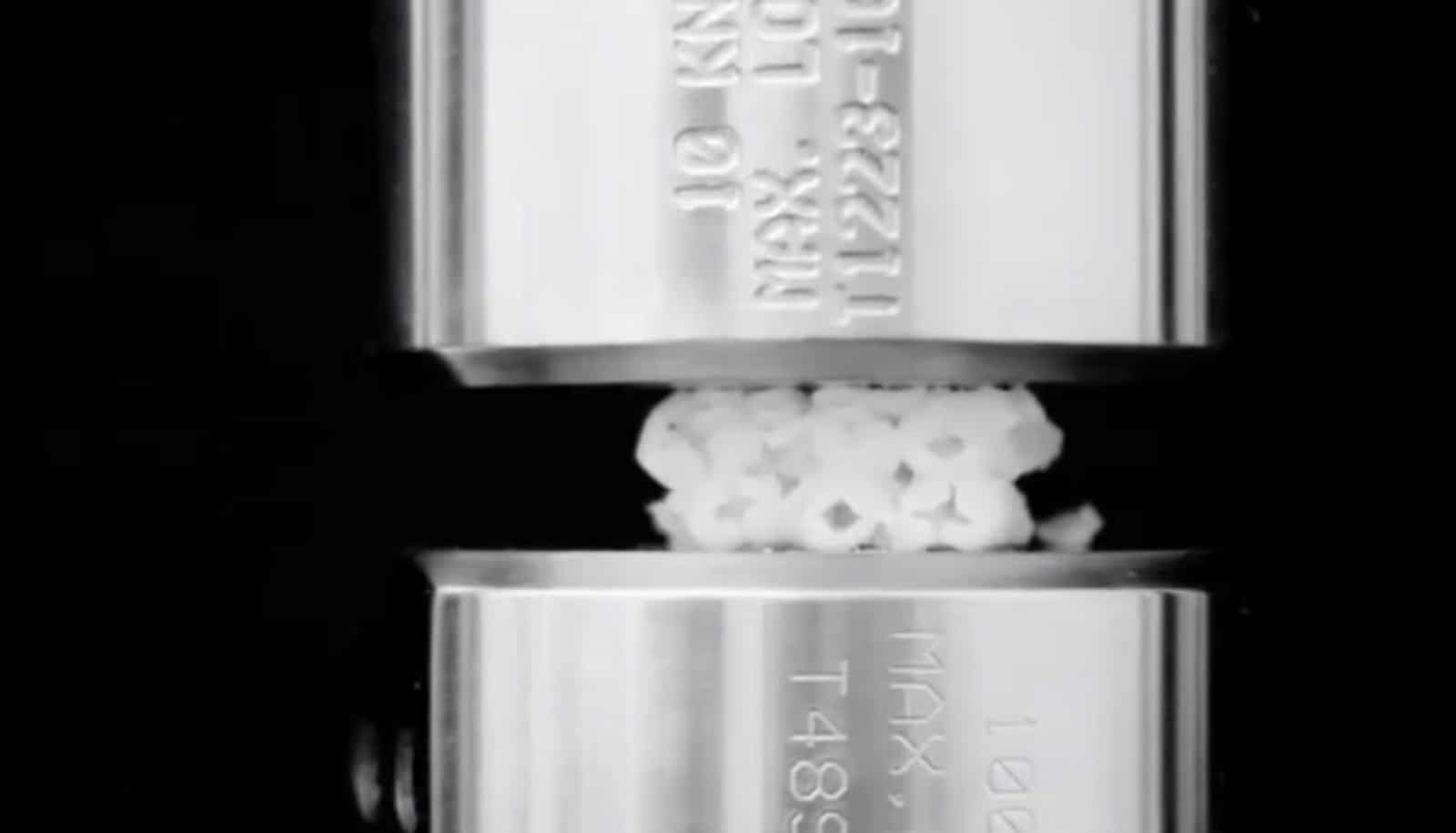
    A compression test of 3D-printed schwarzites either coated or uncoated with a thin polymer shows how the polymer keeps the ceramic from shattering. The materials could be used wherever very strong but lightweight materials are needed. (Credit: Courtesy of the Ajayan Research Group/Rice)

    A thin shell of soft polymer can help keep knotty ceramic structures from shattering, researchers report.

    Ceramics made with 3D printers crack under stress like any plate or bowl. But covered in a soft polymer cured under ultraviolet light, the same materials stand a far better chance of keeping their structural integrity, much like a car windshield’s treated glass is less likely to shatter.

    The research demonstrates the concept on schwarzites, complex lattices that for decades existed only as theory but can now be made with 3D printers. With added polymers, they come to resemble structures found in nature like seashells and bones that consist of hardened platelets in a biopolymer matrix.

    Schwarzites, named for German scientist Hermann Schwarz, who hypothesized in the 1880s the “negatively curved” structures could be used wherever very strong but lightweight materials are needed, such as batteries, bones, and buildings.

    The researchers proved through experiments and simulations that a coating of polymer no more than 100 microns thick will make fragile schwarzites up to 4.5 times more resistant to catastrophic fractures. The structures may still crack under pressure, but they won’t fall apart.

    “We’ve clearly seen that the uncoated structures are very brittle,” says Muhammad Rahman, a materials scientist and research scientist at Rice University. “But when we put the coated structures under compression, they will take the load until they completely break. And interestingly, even then they don’t completely break into pieces. They remain enclosed like laminated glass.”

    The team, with members in Hungary, Canada, and India, created computer models of the structures and printed them with a polymer-infused ceramic “ink.” The ceramic was cured on the fly by ultraviolet lights in the printer, and then dipped in polymer and cured again.

    Along with uncoated control units, the intricate blocks were then subjected to high pressure. The control schwarzites shattered as expected, but the polymer coating prevented cracks from propagating in the others, allowing the structures to keep their form.

    The researchers also compared the schwarzites to coated solid ceramics and found the porous structures were inherently tougher.

    “The architecture definitely has a role,” says graduate student Seyed Mohammad Sajadi, lead author of the paper, published in Science Advances. “We saw that if we coat a solid structure, the effect of the polymer was not as effective as with the schwarzite.”

    The coatings acted a bit like the natural materials they mimic, as the polymer infuses defects in the ceramics and enhances their resistance, says Pulickel Ajayan, chair of the materials science and nanoengineering department and professor in engineering and a professor of chemistry.

    Several structural applications could benefit from polymer-enhanced ceramics. Their biocompatibility could also eventually make them suitable for prosthetics, Rahman says.

    “I’m pretty sure that if we can optimize these structures topologically, they also show good promise for use as bioscaffolds.”

    Additional coauthors are from the University of Szeged, Hungary; ANSYS Inc.; the University of Houston; the University of Toronto; Aramco Americas; the University of Maryland; the Indian Institute of Technology Kharagpur, India; and Rice.

    The Hungarian Research Development and Innovation Office, the Ministry for Innovation and Technology in Hungary, and supercomputing resources at the University of Maryland and the Maryland Advanced Research Computing Center supported the work.

    Source: Rice University