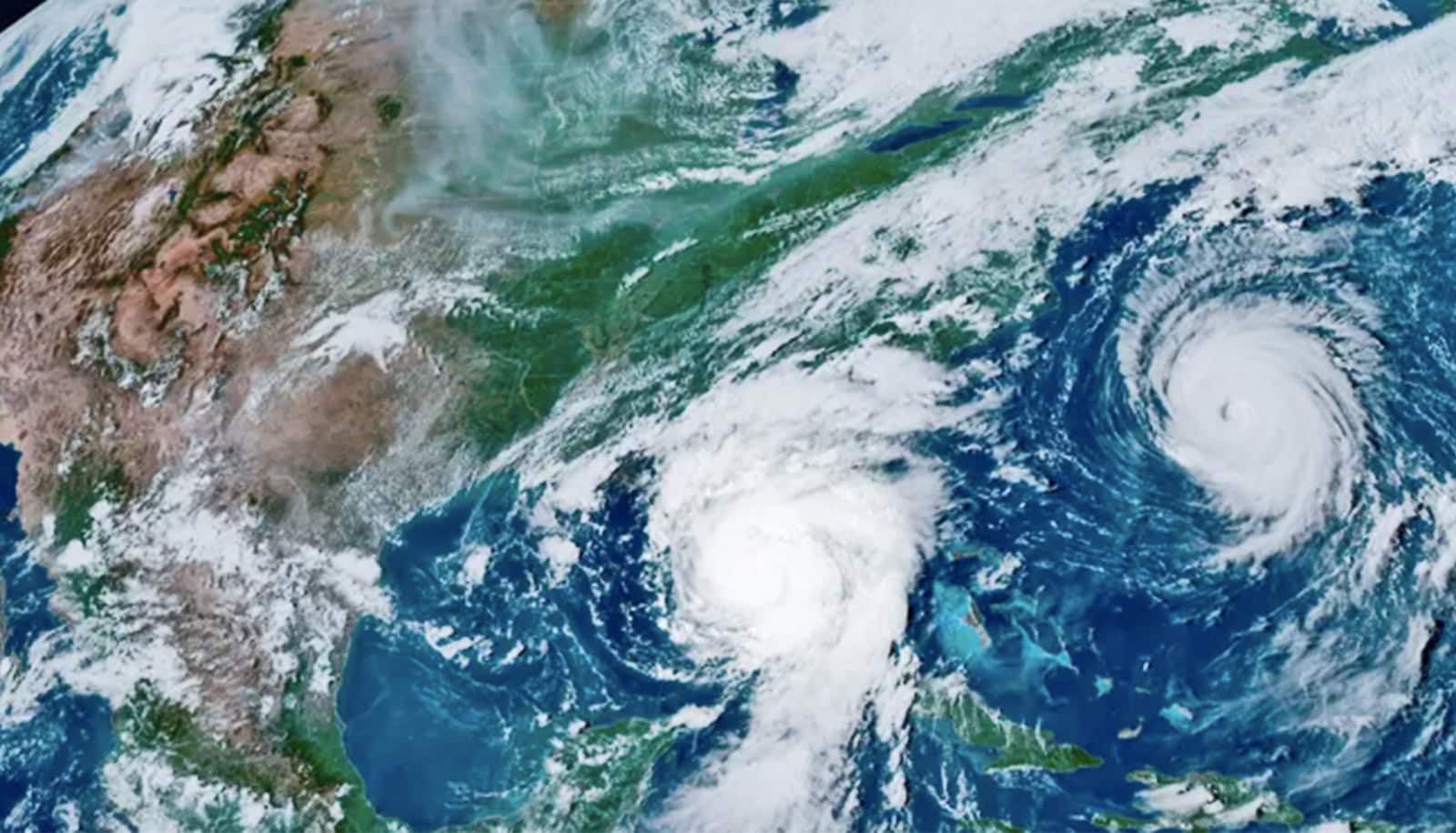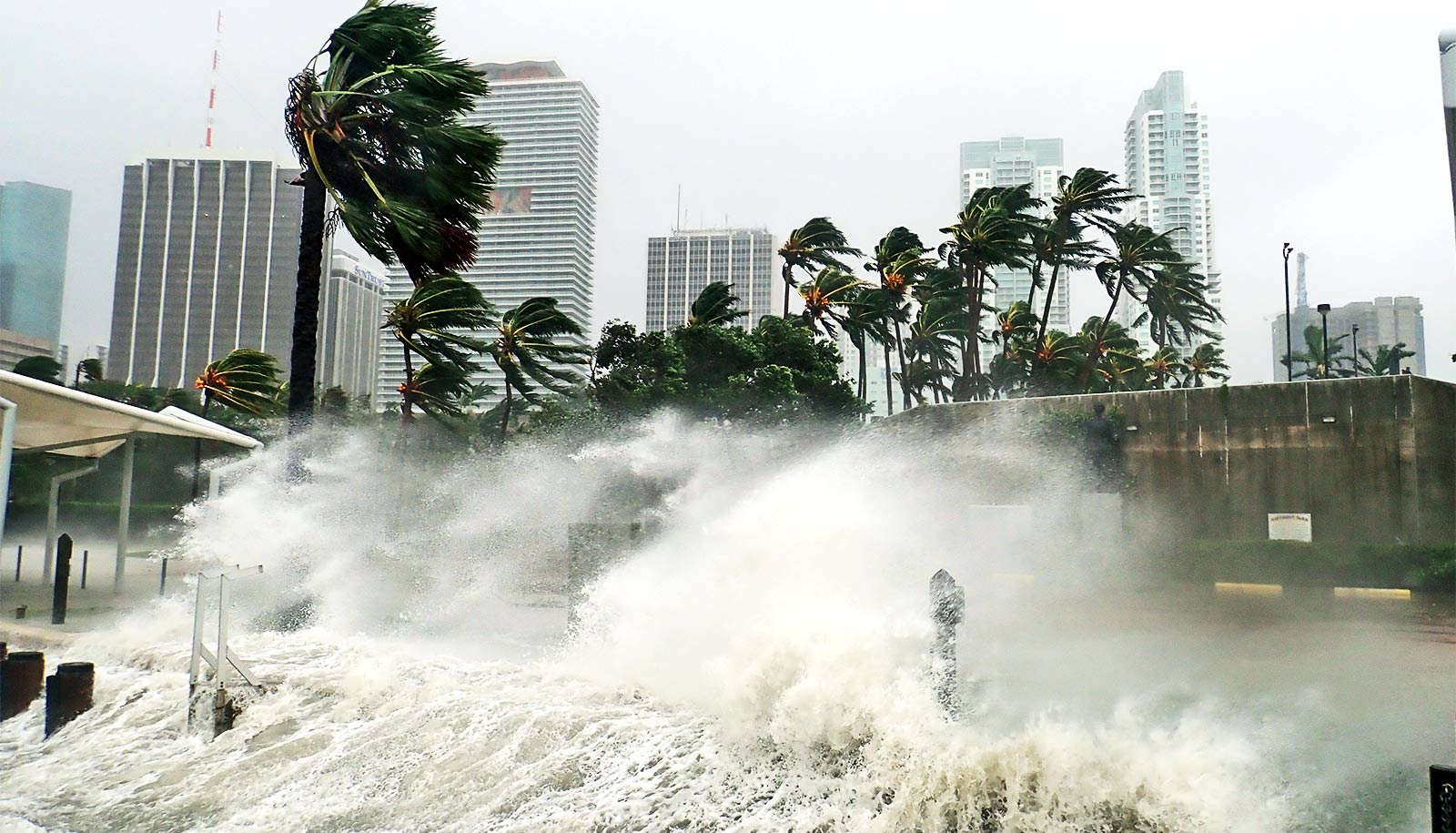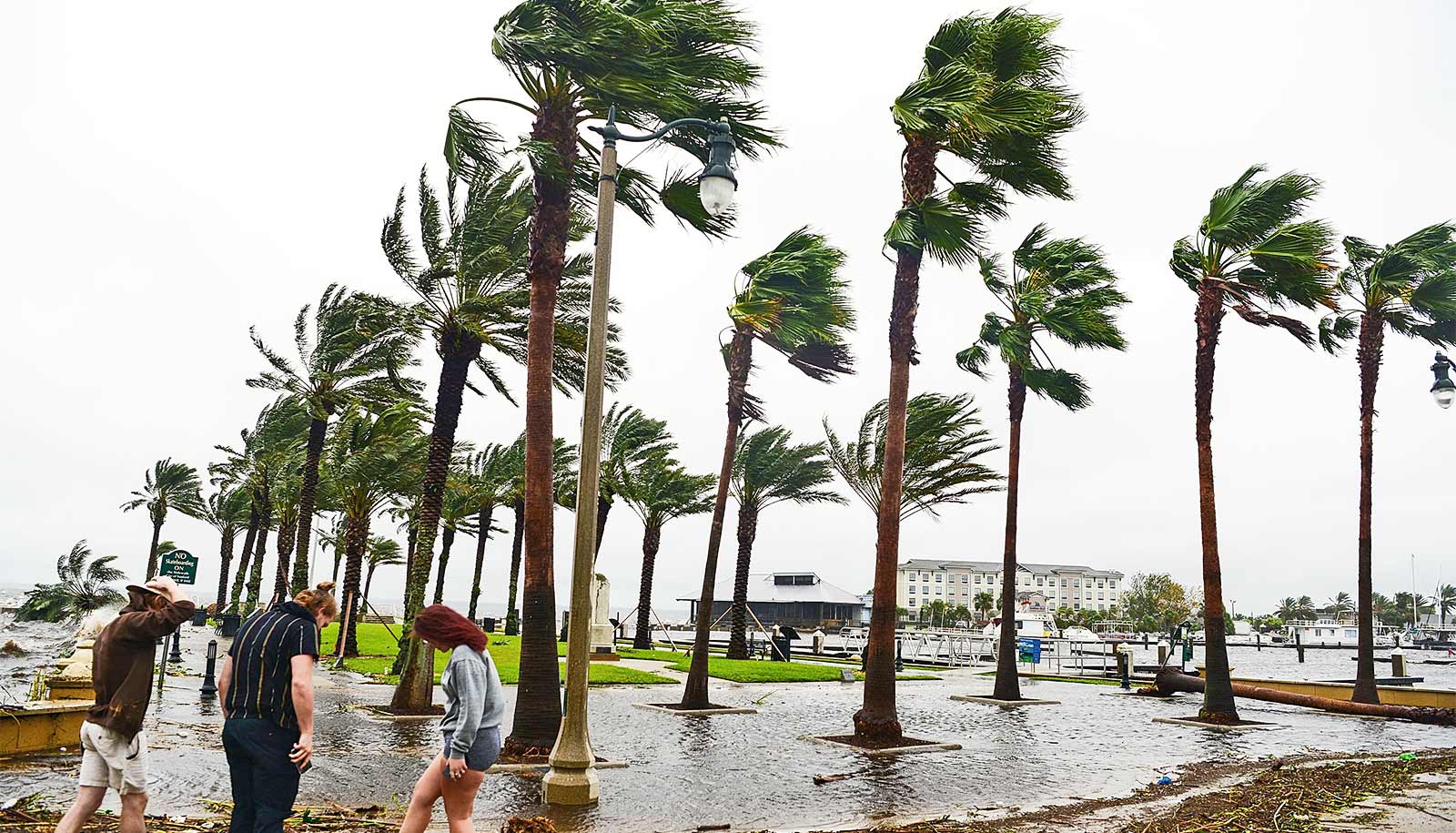
For the second year in a row, researchers predict a hurricane season that will be in line with recent averages, with 12 to 15 named storms, six to nine hurricanes, and two to three major hurricanes forming in the Atlantic basin.
The Atlantic basin includes the entire Atlantic Ocean, the Gulf of Mexico, and the Caribbean Sea.
The number of named storms predicted is in line with recent averages, according to Lian Xie, professor of marine, earth and atmospheric sciences at North Carolina State University. The recent average (1994 to 2025) is 15 named storms.
Of the predicted 12 to 15 named storms, six to nine may grow strong enough to become hurricanes (the recent average is seven), with the possibility of two to three storms becoming major hurricanes (the recent average is four).
The Caribbean Sea is expected to be slightly below recent averages, whereas the Gulf of Mexico is forecast to be near recent averages. Of the 12 to 15 named storms predicted across the entire Atlantic basin, Xie’s data indicate the likelihood of two to five named storms forming in the Gulf of Mexico, with one to two of them becoming hurricanes, and the potential for one to become a major hurricane. Recent averages for the Gulf are three named storms and two hurricanes.
The Caribbean Sea could see one to three named storms, with one to two hurricanes and the potential for one major hurricane. Recent (1994 to 2025) averages for the region are five named storms, two hurricanes and one major hurricane.
Xie’s methodology evaluates more than 100 years of historical data on Atlantic Ocean hurricane positions and intensity, as well as other variables, including weather patterns and sea-surface temperatures, to predict how many storms will form in each ocean basin.
The forecast was made through a collaboration between NC State’s marine, earth, and atmospheric sciences department and computer science department.
The Atlantic hurricane season runs from June 1 through November 30.
Source: NC State