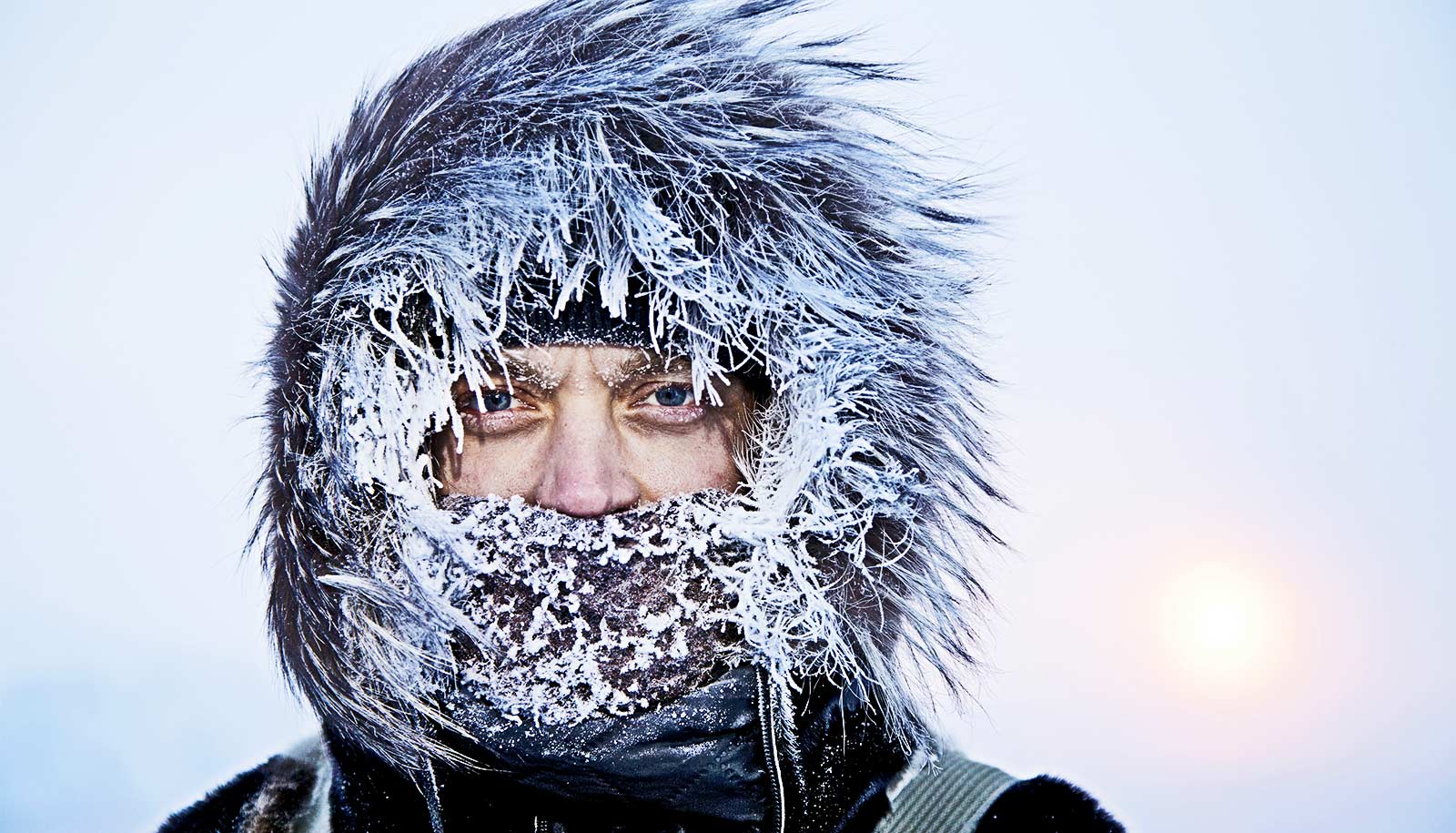
An expert has tips to help you stay out of the emergency department this winter.
Four years ago, Yale’s Arjun Venkatesh was interviewed on a local news station about ways to prevent winter injury and illness. Among the tips he offered was to avoid the ice.
“Just a thin layer of ice is all it takes to fall and break a bone,” says Venkatesh, a professor of emergency medicine and chair of emergency medicine at Yale School of Medicine.
Two days later, Venkatesh was taking the garbage out after a shift at Yale New Haven Hospital, where he is chief of emergency medicine. It was late at night, and his driveway was frozen over.
“I didn’t follow my own advice,” says Venkatesh. “I didn’t do anything to remove the ice, and sure enough, I slipped and fell right on my butt and slid the entire way down the driveway.”
Slips, trips, and falls are just a few of the reasons people end up in emergency departments (ED) every winter. Wintry weather brings a rise in unexpected injuries, as well as respiratory viruses like influenza, COVID-19, and respiratory syncytial virus (RSV).
Here, Venkatesh explains why the ED is busy every winter, who is most at risk of winter-related injury and illness, and how to stay safe as the temperature drops:
Why is the winter such a busy time for the ED?
Everything we see in the emergency department always has a seasonal pattern to it. In the winter, it’s the things that you would imagine that come with winter weather as well as winter respiratory virus season. Most winters, we’re going to have a flu season. We’re going to have increasingly what looks like a COVID season. RSV is another common virus; same with adenovirus, the most common virus that people think of with the common cold. So, all these viruses are circulating. Kids are at school, and people are in more congregate settings where they’re inside more often. We see a lot of coughs, colds, upper respiratory infections, pneumonia, all of that in the wintertime.
Winter is also a time of snow and other sort of challenges that come with the weather. So, we’ll see associated car crashes or other types of traumas like slips and falls, broken wrists, and more in the winter as well.
Are there certain populations most at risk of winter-related injury and illness?
One is older adults. Older adults are particularly more prone to falls in general. Those falls become even more prevalent when you’ve got sleet on the roads or ice on the sidewalks. Another group we think about is those who are homeless or who have insecure housing. We can see a lot of people get hypothermia in the winter as a result of that. Another group is kids. A lot of little kids are going to get different respiratory viruses like bronchiolitis, bronchitis, or asthma exacerbations in the winter.
If someone does get sick or hurt in the winter, how should they determine if and when to visit the ED?
First, try to recognize if this is this something that could be serious and time sensitive. For example, if you’re out shoveling snow and you’re getting chest pains, that could be signs of a heart attack. That’s a “Call 9-1-1 and get to the emergency department” situation. On the other hand, if you fall, slip on your wrist, and everything else feels okay, you do have a little bit of time, and a lot of it comes down to figuring out what types of options you may have. It’s not going to be the kind of thing that you can easily go to your primary care doctor for. You’re probably going to need an X-ray and other type of evaluation, but it’s the kind of thing where you could potentially go to an urgent care.
What is it like for ED workers every winter? Is there a lot more pressure on health care systems this time of year?
Winter is busy, and the ED can be really crowded when respiratory viruses are circulating. But summer also gets busy with an increase in outdoor activities and trauma that sometimes comes with that as well as heat-related illnesses. It’s not that one season is busy in the emergency department and another less busy; they’re just very different. Part of the challenge in the winter has always been that many of those respiratory viruses—especially if you’re immunocompromised, older, or needing oxygen—require you to get admitted to a hospital. That’s when it can really feel crowded and cramped in the emergency department.
What are some of the ways people can stay safe—and out of the ED—this winter?
There are a few simple things people can do. The first, knowing that respiratory viruses are one of the biggest drivers of ED visits, is to get your flu shot, COVID shot, and RSV shot. If you do, your likelihood of getting a severe infection that requires an emergency department visit or a hospitalization goes down.
The second thing you can do is be particularly careful around some of the things that can be injurious like snow removal and icy driveways.
The third thing I often tell people about is making sure that you’re bundling up, that you’re wearing good gloves and socks, and that you’re not running around with cold socks for a long time to avoid things like frostbite and other winter related illnesses.
Source: Yale