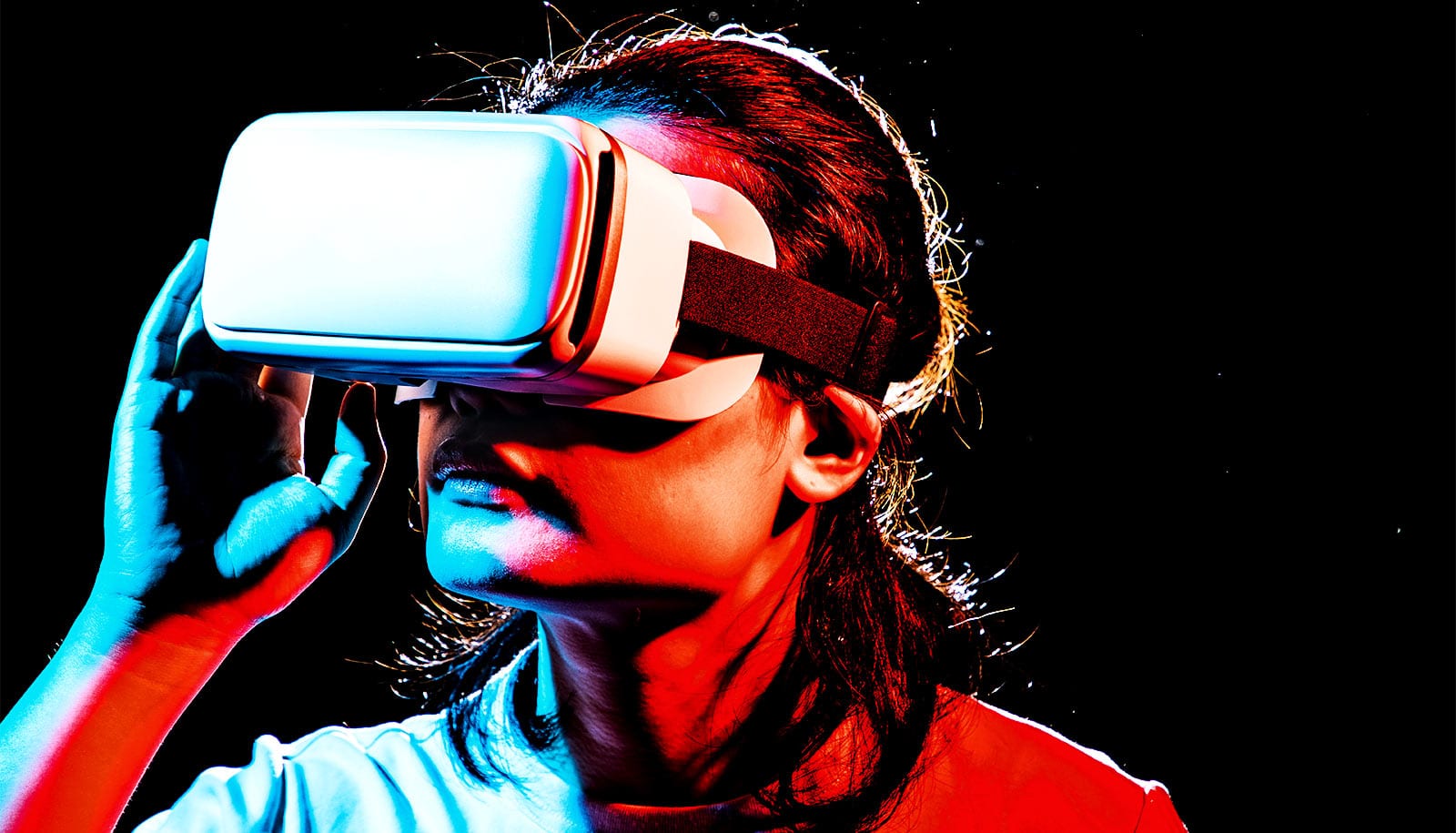
Researchers have found that a brief virtual reality simulation of a near-death experience can sharply reduce people’s anxiety about death.
In a small pilot study of about 60 young adults, participants reported a 75% decrease in their fear of death after a single 12-minute session.
Death anxiety is a psychological fear associated with thinking about death. It is commonly linked to depression, stress, panic attacks, illness anxiety, obsessive-compulsive disorder, and phobias. Research shows this anxiety often peaks around age 20, declines in midlife, then increases in people over 65. It can also affect those with terminal illnesses, such as cancer.
The study, published in Frontiers in Virtual Reality, was led by Zhipeng Lu and his doctoral student, Parya Khadan. Lu is an assistant professor in the College of Architecture at Texas A&M University, the associate director of the Center for Health Systems and Design, and a fellow of the Telehealth Institute at Texas A&M.
Lu says intervention tools, such as virtual reality (VR), may be a valuable resource for tele-behavioral health counseling, in which mental health professionals support patients remotely through technology.
“This kind of intervention can be beneficial to a lot of people, having the potential to help those people with depression and anxiety. And I think that’s the important thing we need to do,” Lu says.
The experiment created a virtual environment based on common reports from near-death experiences to explore their therapeutic impact.
The study’s participants—students from the College of Architecture—were surveyed before and after the intervention to evaluate changes in stress and death anxiety.
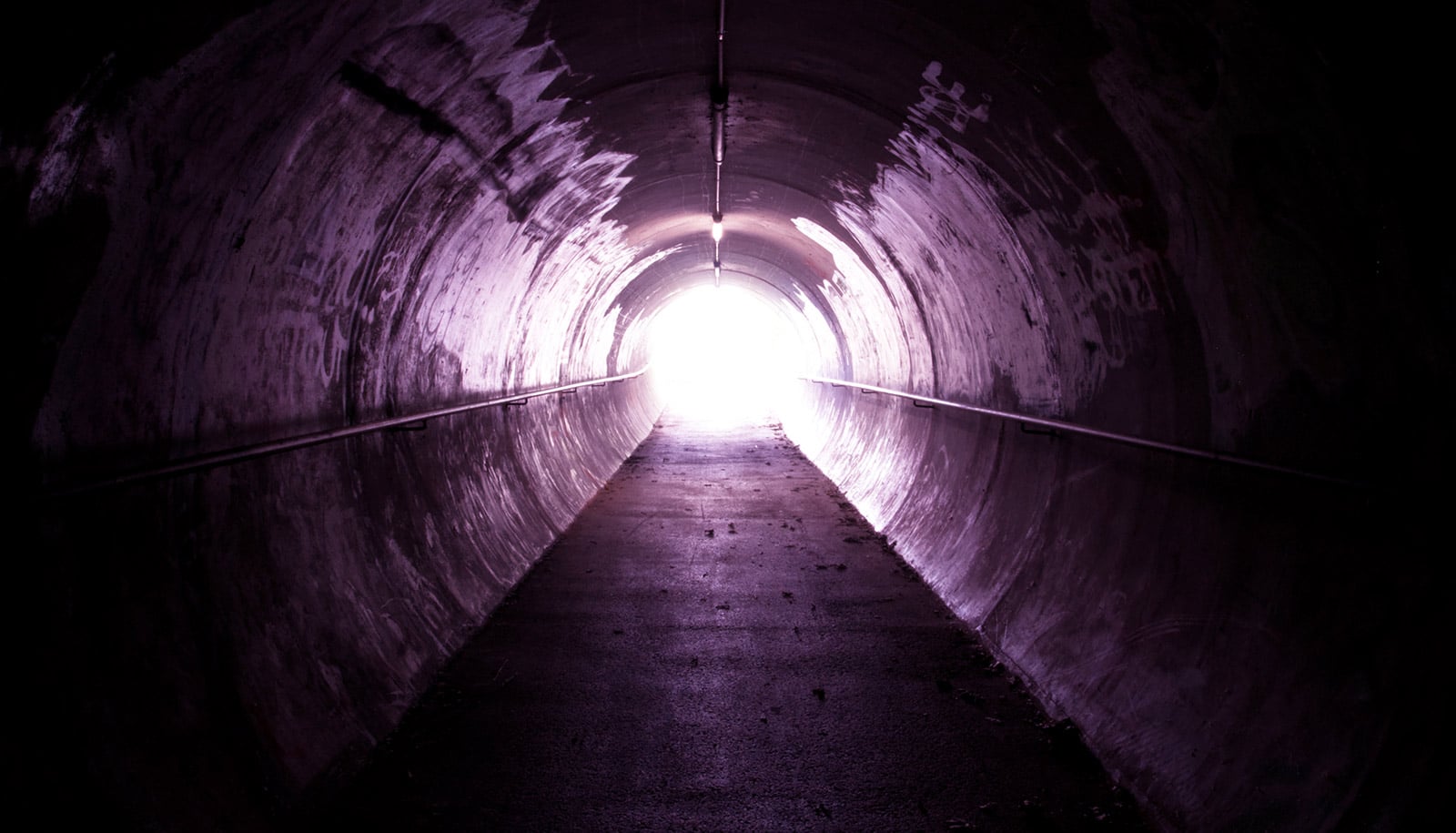
Wearing a VR headset, students moved through three stages of virtual scenes to simulate a near-death experience. First, they felt an out-of-body sensation with their “spirit” rising from their body after a car accident. They traveled through a channel of light while experiencing memory flashbacks. Finally, they arrived at a scenic, peaceful landscape with a barrier they could not cross.
Following the intervention, students showed a significant decrease in both stress and death anxiety, with many reflecting on life and relationships in new ways.
“Research shows that those people who had a real near-death experience totally changed their view on life, and they have been treating their family members differently,” Lu says. “Most of them are really positive impacts for those having near-death experiences. We hope that immersive virtual reality can have the same impact.”
Some participants described the VR experience as relaxing and says it motivated them to focus on their loved ones and think about death in a different way. A minority of participants reported higher death anxiety or stress after the session.
Lu and his team plan to expand the research to terminally ill patients and individuals with mental health challenges, although they note the need for caution due to limited data on potential risks for vulnerable groups.
“That’s a potentially really effective intervention for depression, but we have to be really, really careful about that,” Lu says.
The research was conducted in partnership with Olera Inc. and with support from the International Association of Near-Death Experience Studies, which provided the virtual reality video. Additional coauthors are from Texas A&M and Tarleton State University.
Source: Texas A&M University