News reports in early July that consumption of produce could lead to a parasitic infection left people wondering “what the fruit?” as their hopes for refreshing smoothies or crisp salads were dashed.
The parasite, cyclospora, spreads through food or water contaminated by infected fecal matter from human beings. Headlines warned of “explosive diarrhea” and a slew of symptoms including muscle aches, fatigue, and nausea.
Weeks later, reported cases were in the thousands, with Michigan and New York among the states with the highest numbers. Lettuce emerged as the lead culprit when a sample was found positive for cyclospora, but the clarity offered from the news was quickly lost when a recent FDA announcement negated its previous findings. Consumers are wary. Restaurants, fast-food establishments, and retailers have removed ingredients from their menus and off their shelves as a precaution.
How did this happen, and what steps can be taken to protect ourselves?
Carolyn Dimitri is an NYU Steinhardt professor who has authored numerous articles related to agricultural production, the food supply chain, and organic food systems.
Here, the food systems and policy expert explains the circumstances behind the farm-to-bathroom journey of this outbreak and others like it:
As consumers, how can we know or tell where our food is coming from when we buy it in the store? Are there clues we should be looking for on the packaging, for example?
For produce, you can look at the stickers on the product or package, or the signs in the store, and you will be able to see the country it comes from. Some products might have the farm name, but this is not guaranteed. And a lot depends on where you shop. Whole Foods, for example, has country of origin, and sometimes state of origin, on much of its produce. There is a regulation called “Country of Origin Labeling” that requires certain retailers to post the country of origin. The USDA website says, “Food products covered by the law include muscle cut and ground meats: lamb, goat, and chicken; wild and farm-raised fish and shellfish; fresh and frozen fruits and vegetables; peanuts, pecans, and macadamia nuts; and ginseng.”
Can you describe the typical journey of, say, a bag of lettuce from farm to a NYC grocery store produce department? Is this similar to how ingredients make their way to restaurants?
The basic flow of fresh produce goes from farms to the first handlers who clean, sort, and pack it, then to the distributor, then to the retailer, and then consumers. For restaurants, you can replace retail with restaurant, and it will be a different distributor. For farmers markets, the flow would be from the farm directly to the consumer
When harmful bacteria or parasites end up in food (as we’re seeing now with cyclospora), where in that journey or process are they typically introduced?
Let’s start with what a foodborne illness or a food safety outbreak is. Foodborne illness happens when we consume food that is contaminated with a parasite, bacteria, virus, or toxin. A food safety outbreak occurs when many people become ill from eating the contaminated food. According to the USDA, there are roughly 31 major foodborne pathogens, which cause an estimated 48 million illnesses each year. Ten percent of the people seek medical care for their foodborne illness.
The CDC estimates indicate that for the decade from 1998 to 2008, 46% of illnesses were related to produce, with leafy greens accounting for 22% of illnesses, and that more deaths were attributed to poultry than to any other product.
Pathogens have several pathways into our food, and many of the pathogens are caused by human or animal feces—cyclospora, for example, is spread via human feces. On farms, if domestic or wild animals enter a water body, like a river, their feces can contaminate water, which, in turn, has the capacity to contaminate nearby fields if the water is used for irrigation or if there is a storm that causes the water body to overflow onto a field. Animals can directly contaminate crops and fields that they have access to, as they leave feces behind as they walk through the fields.
In terms of farmworkers, if they clean manure from the fields, they need to wash their hands before resuming work. Toilets used by farmworkers need to be kept clean and sanitary, with a locked door, and be within one-fourth of a mile from the field, and there needs to be a handwashing facility. It’s important that farmworkers not use fields as a toilet. Farm managers are required to tell farmworkers about the toilets and handwashing facility located next to the toilet. Field toilets are required to have a barrier between the toilet and the field, or be far enough away so that an accidental spillage or overflow won’t contaminate the field.
The types of produce that have had significant outbreaks are cantaloupes, which grow on the ground and have direct contact with soil; strawberries, which grow close to the ground and have outbreaks caused by deer feces; and leafy greens.
The steps that make up the handling stage of the produce supply chain are product specific. For fruits and vegetables, the produce is cooled, washed, cleaned, sorted, and/or packaged. For dairy, milk is combined with the milk from other farms, pasteurized, bottled, or made into other products like yogurt or cheese. Other products follow a slightly different path.
If contaminated water is used during handling, to clean or cool produce, for example, then all of the product can be contaminated. If the product being cleaned is contaminated, this contamination can spread to the other products being cleaned. If the containers or packing materials are contaminated, the products placed in them will be contaminated. If heads of lettuce are being cut for bagged salads, for example, the process of cutting can spread contaminants through all of the lettuce being chopped. If any surfaces that come into contact with food are not sanitized properly, they can transmit contaminants to the food. Sanitation of all surfaces is key to keeping a safe food supply.
Is organic food likely to be “safer” from things like cyclospora? Why or why not?
An organic farm is not more or less likely to be the source of foodborne illness. Organic refers to how a food is raised on the farm and how it is handled. Organic and nonorganic foods all require the same approach in terms of keeping animals off the field and out of the water bodies; farmworker good hygiene; and proper sanitation regarding equipment used for harvesting, processing, and packing. The main difference between organic and nonorganic food is that different materials will be used for sanitizing, but the materials used in both systems are highly effective.
Where should people be buying food right now (and in general) if they’re concerned about getting sick from what they eat?
I personally think it is fine to buy from your local farm or farmers market, but the food safety risk from doing so is not zero. You are really trusting that everyone who grew, harvested, packed, and sold you that food is following all the rules about handwashing, keeping animals out of the fields, and is meticulous about sanitizing all surfaces that come into contact with the food. Large stores like Costco, for example, spend a lot of time visiting their suppliers and auditing their operations. Buyers, and Costco is a buyer here, were the first to set standards for their suppliers to meet, largely because a consumer associates the food with the retailer, and not with the farmer.
During this outbreak, how should we wash produce that we’re going to eat raw? Soap? Vinegar? Brushes? What’s a good practice generally, when there are no known outbreaks?
This particular parasite is not easily removed by washing, and this is the case for many other pathogens. If you want to be very risk averse, avoid eating raw vegetables that can’t be peeled. For things that you peel, I would wash thoroughly before peeling. It is good practice to always wash your melons and produce before peeling or cutting. The official recommendations from the FDA and the USDA are to wash produce under plain running water, or use a brush to scrub items with a firm surface, like an apple, melon, or potato. Use water that is slightly warmer than the produce, and wash right before you prepare the food. Don’t use soap, vinegar, or produce cleaners. After washing, dry with a paper towel or clean cloth, or use a salad spinner.
I would be comfortable eating lettuce from the supermarket or farmers market, and peeling off the outer layers of leaves—I always do this, regardless of whether there is an active foodborne illness outbreak.
Are there any foods you personally are avoiding during this outbreak? Or that are considered risky for foodborne illness more generally?
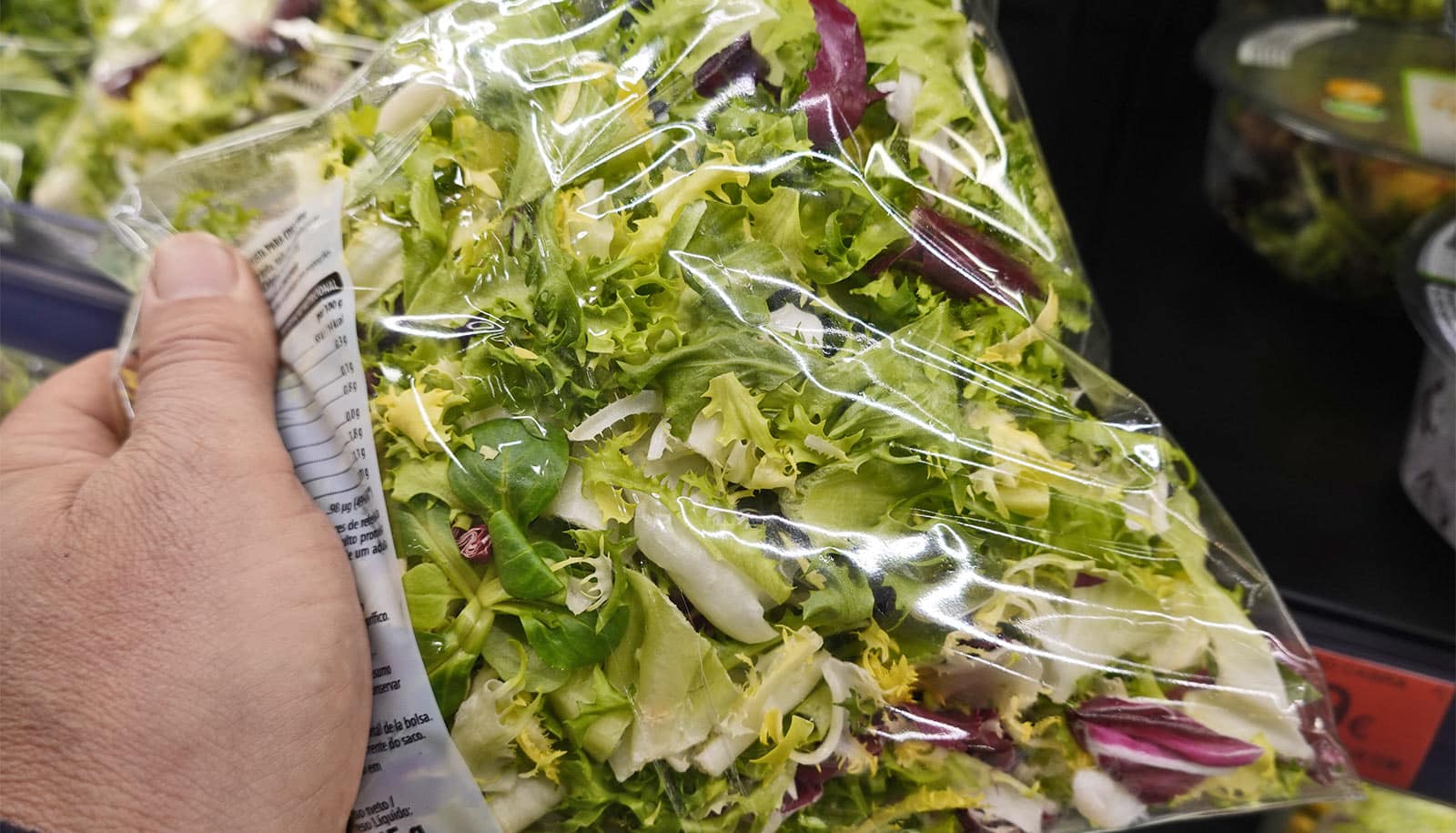
I always avoid the bagged salads that have chopped leaves. I am fine with the packaged greens that are not chopped, however. From a statistical perspective, the produce items most likely to be contaminated are: leafy greens, which can spread e. coli; melons, which can spread salmonella and listeria; tomatoes, which can spread salmonella; and raspberries, which can spread cyclospora and hepatitis A. Cooking is the best way to address the pathogens introduced on the farm or in handling, provided that produce hasn’t been spoiled, which is a separate issue.
Recently, cyclospora was linked to lettuce from Taylor Farms, but the FDA just announced that it was a false positive, all while a recall remains in effect. What’s your advice to consumers?
That test result does not mean that this farm did not cause the outbreak and suggests instead that the contaminated lettuce has moved through the food system. Furthermore, given the number of outbreak clusters, Taylor Farms is unlikely to be the only source of cyclospora.
In my view, we should always be vigilant regarding our food, and recognize that foodborne illnesses are a possibility and act accordingly. Think about the risks, try to mitigate the risks as much as possible, and consider what you are willing to bear. For me, this includes handwashing with soap before preparing and eating food, and thoroughly cleaning all surfaces that food will touch or has touched. For specific food items: I won’t eat a melon that has a big gash in the skin, or bagged, chopped salads, or the outer leaves of lettuce, and I always peel my fruit. But I will eat uncooked berries.
Source: New York University