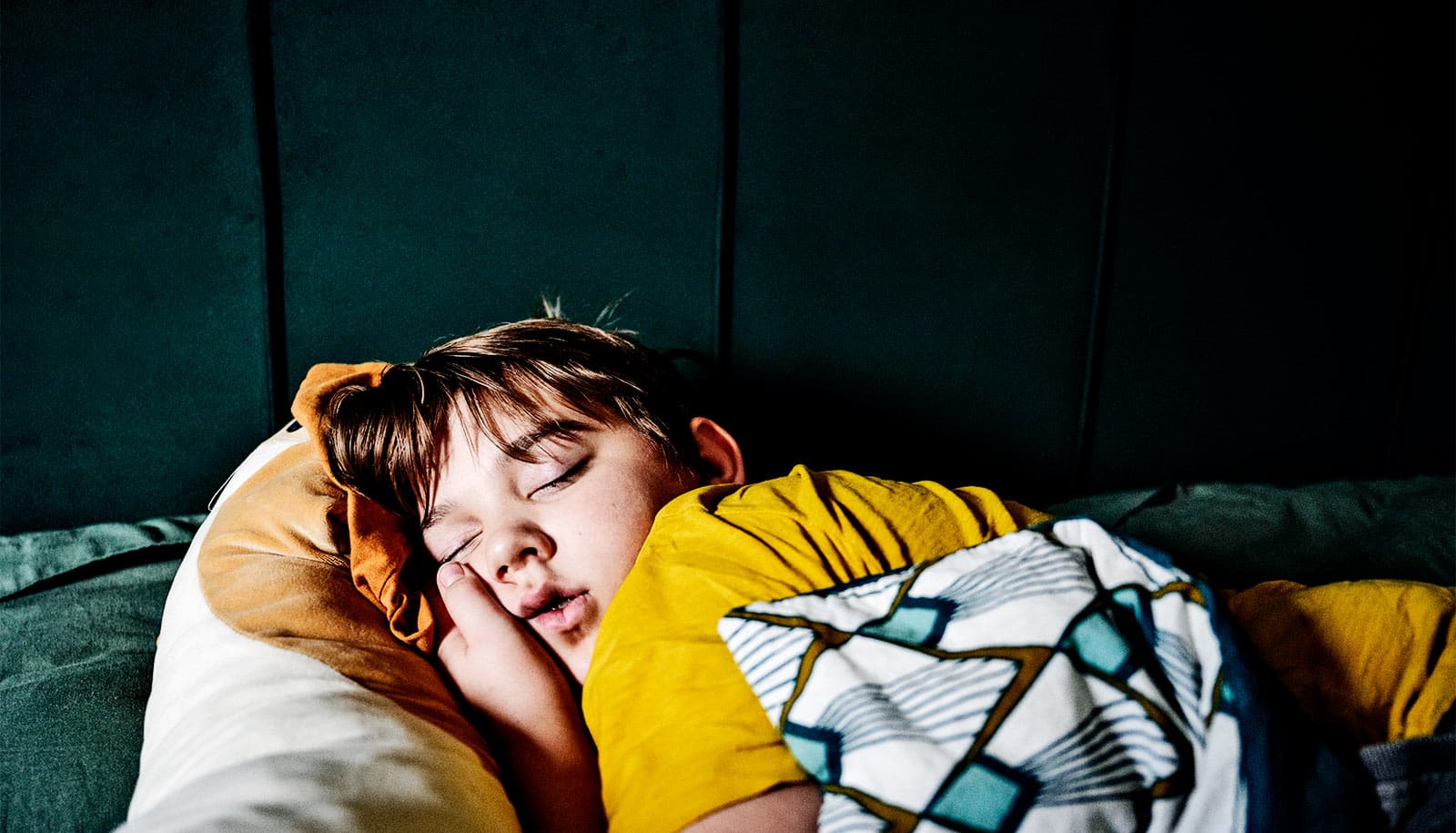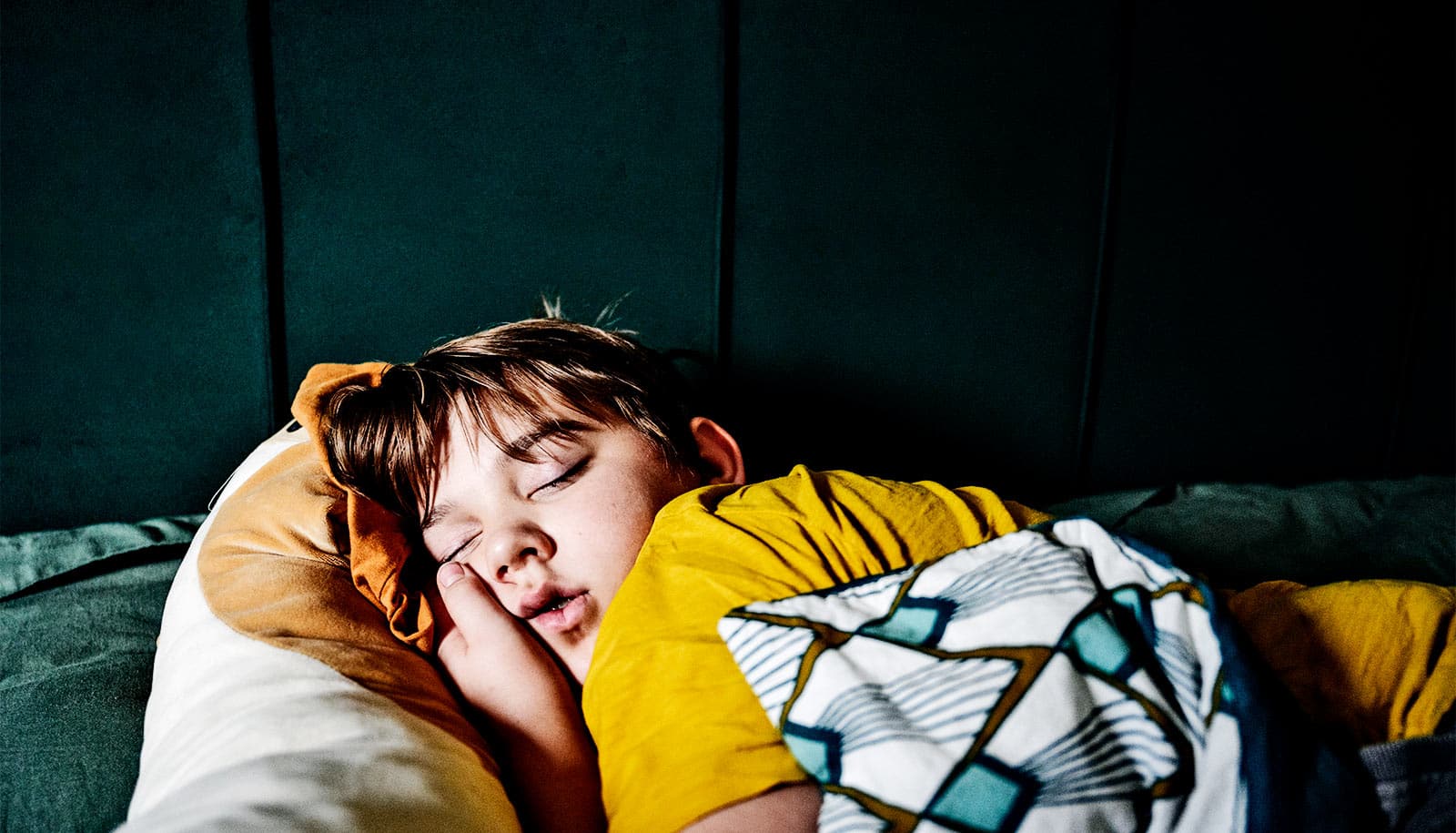
Targeting interventions toward improving sleep may help guard against mental health problems in low-income youth, researchers report.
Led by researchers in University of Georgia’s Georgia Center for Developmental Science, the study of more than 8,000 children found that economic hardship at age 10 predicted greater risk of suicidal thoughts and attempts at ages 11 and 12. Children who slept fewer hours were more likely to experience problems regulating their emotions.
The study also found that stronger connectivity within the brain’s default mode network, the part of the brain involved in regulating emotions and self-reflection, provided some protection from the negative effects of poor sleep and reduced suicidal thoughts.
“Our findings show that sleep is not just a byproduct of stress. It’s a mechanism through which adversity can take root in the developing brain,” says Assaf Oshri, corresponding author of the study and a professor of human development and family science in the UGA College of Family and Consumer Sciences. Oshri also serves as director of the Georgia Center for Developmental Science.
The study appears in Translational Psychiatry.
Low-income families may face greater caregiving demands, nonstandard work hours, and daily financial stresses that make it difficult to establish and maintain consistent routines for their children, the researchers say.
For young children, routine—particularly at bedtime—is critical for development.
Sleep helps the body restore itself, boosts immune and brain functioning, and reduces energy consumption so the body can grow and repair.
But low-income areas often lack the resources that make restorative sleep possible. For example, they are often noisier and frequently experience higher rates of crime, leading to higher levels of anxiety.
Those stressors can directly affect sleep quality, making it harder for children to fall asleep and stay asleep. Previous research has shown that chronic sleep deprivation and stress are linked to higher rates of anxiety, depression, and other mental health challenges.
The researchers analyzed survey responses and brain imaging data from three waves of the Adolescent Brain Cognitive Development Study, the largest long-term study of brain development and child health in the United States.
They found that the part of the brain that detects threats and regulates emotions, known as the default mode network, can provide protection for youth experiencing hardships.
“Sleep is a window into how well a child’s brain and body are adapting to their environment,” Oshri says. “For families under economic strain, routines that promote consistent, restful sleep can be one of the most powerful tools to protect children’s emotional well-being.”
Focusing on improving sleep quality and duration may help reduce the risk of suicidal ideation and attempts in youth—particularly among those living in under-resourced environments.
The findings underscore the importance of including sleep screening in pediatric visits and school-based mental health programs, particularly for youth facing socioeconomic hardship. The researchers suggest that sleep-focused interventions could be a practical, cost-effective strategy to reduce suicide risk in vulnerable populations.
“Sometimes families can feel overwhelmed by news about children’s mental health,” says Ellen House, coauthor of the study and a clinical professor in the Augusta University/University of Georgia Medical Partnership.
“It is important to recognize that working on good sleep patterns can be something under a family’s control that can be really helpful for protecting their child’s health and well-being.”
Support for the research came from a grant from the National Institute on Drug Abuse, National Institutes of Health National Institute on Drug Abuse.
Source: University of Georgia