Freshwater streams, ponds, and lakes across the United States are becoming saltier, and new research shows the damage may be greater than scientists once thought.
Scientists at the University of Missouri’s College of Agriculture, Food, and Natural Resources found that road salt becomes much more deadly to freshwater snails when combined with the fear of natural predators in the water.
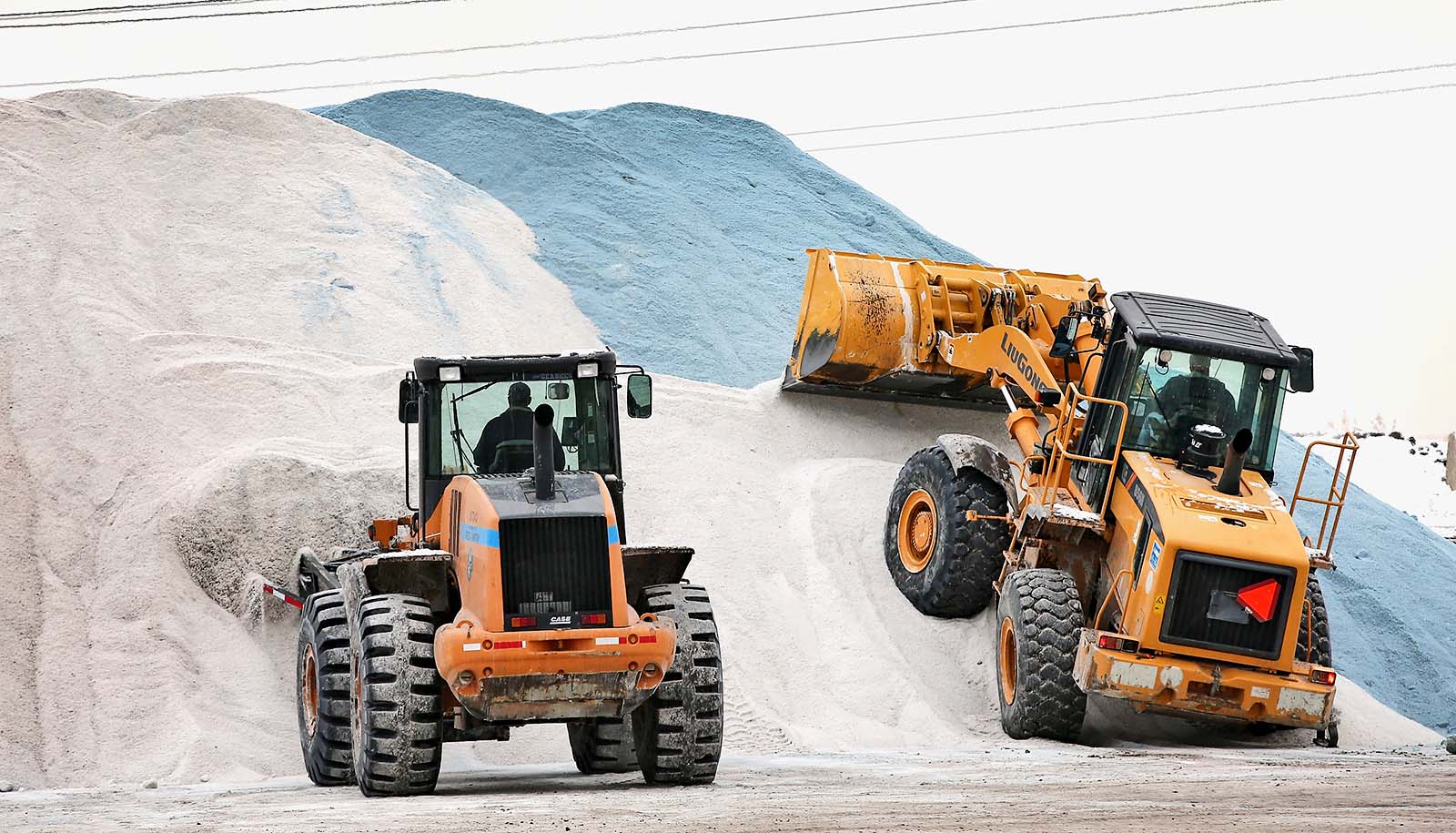
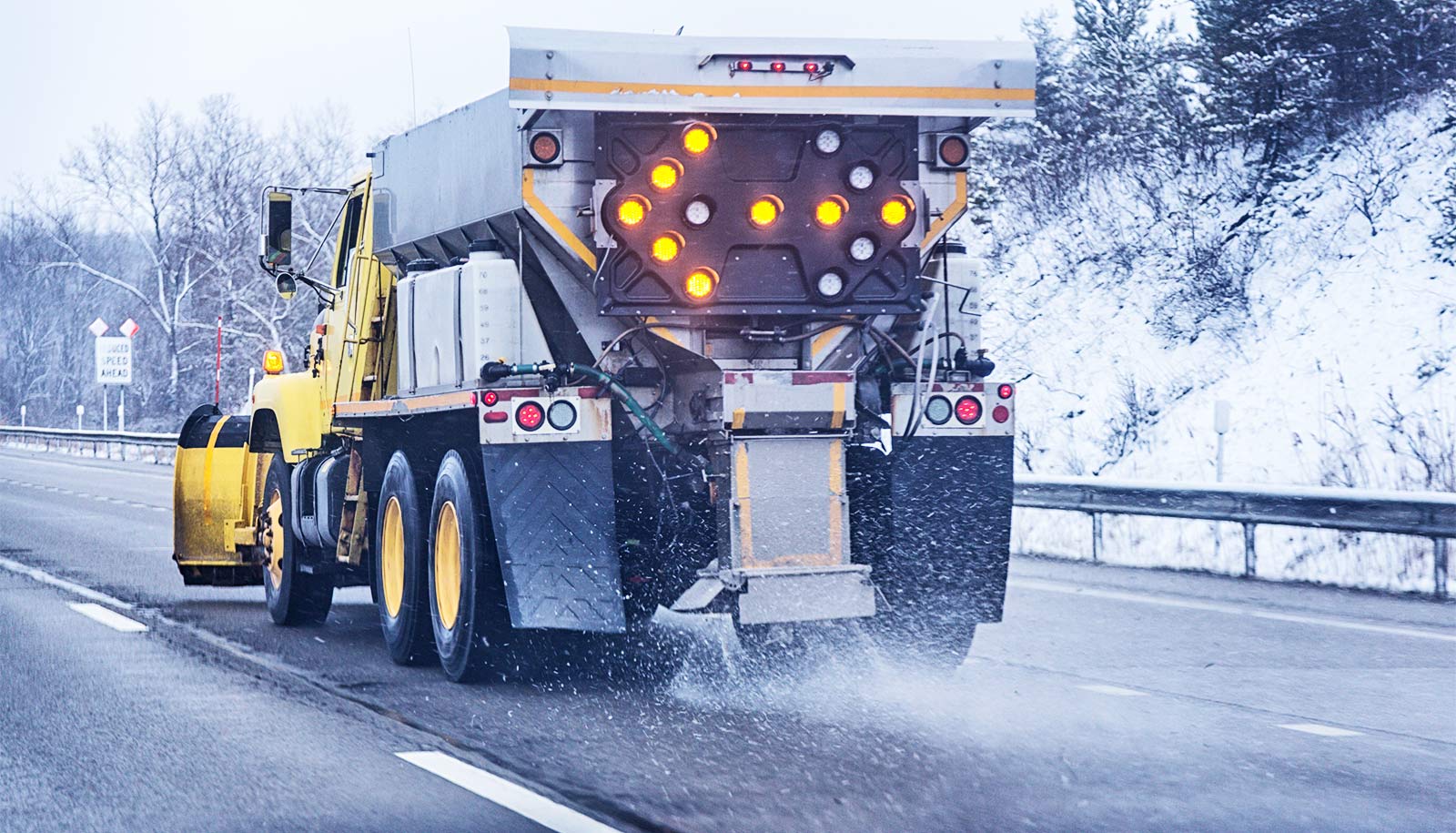
Road salt mainly enters fresh water through road runoff from winter deicing. While scientists know that salt alone is harmful to freshwater animals, most research looks at salt exposure by itself. But in the real world, animals face challenges from many additional stressors at the same time, including predators.
To better reflect a snail’s natural environment, Rick Relyea and colleagues conducted semi-outdoor experiments using different salt levels and the presence or absence of different predator species.
“Freshwater organisms have evolved in low-salt environments,” says Relyea, director of Mizzou’s Johnny Morris Institute of Fisheries, Wetlands, and Aquatic Systems and coauthor of the study.
“Adding road salt makes their survival much harder, especially when these animals experience the fear of being eaten by predators. At the highest salt levels, we found that predator stress dramatically increased snail deaths, causing nearly 60% higher mortality compared to salt alone.”
The researchers saw that when snails sense nearby predators, they slow their eating and move less to avoid being noticed. At the same time, an increase in salty water forces them to use more energy just to stay alive. Together, these forces drain their energy. The researchers believe this combination of factors may increase a snail’s risk of death.
“These effects don’t show up in typical lab studies,” says Scott Goeppner, a Mizzou postdoctoral fellow and coauthor. “That means we may be underestimating how dangerous common pollutants, such as road salt, really are.”
Although they are small, freshwater snails are abundant and important to aquatic ecosystems because they help control algae, recycle nutrients, and provide food for fish and birds.
“When organisms like snails disappear, algae can grow unchecked,” Goeppner says. “That lowers our water quality, impacting the waterways communities rely on every day.”
Relyea says practical solutions to reducing salt pollution in waterways already exist.
“Communities can cut road salt use by up to 50% while still maintaining safe roads,” he says. “Simple steps such as pretreating roads, calibrating salt trucks, and applying salt more strategically can protect freshwater ecosystems while saving money for local governments and taxpayers.”
The team suggests that current water-quality standards may not fully reflect these real-world conditions.
“When we don’t fully understand how pollutants interact with natural stressors, it’s safer to be cautious,” Goeppner says. “Protecting freshwater means looking at salt impacts under more natural conditions, not just in the lab.”
The study appears in the journal OIKOS. Mitchell Le Sage at Rensselaer Polytechnic Institute is a coauthor on the study.
Source: University of Missouri