With Thanksgiving over, many Americans are getting their holiday decorations ready, which may include buying a real Christmas tree.
In the United States, approximately 25 to 30 million real Christmas trees are sold every year, and Michigan is the third largest producer in the country.
With record-high tariffs in place and some challenges affecting tree production, you may wonder how this could affect the cost of your tree. Bill Lindberg, a Christmas tree educator with Michigan State University Extension, can answer your questions.
Lindberg serves Christmas tree producers across the state, working with farmers on the ground in their communities.
Here, he offers insights about the outlook for Christmas trees this year, including industry updates, pricing, and tips to help care for your tree:
Where does Michigan stand in Christmas tree production?
Michigan is the third highest producer of Christmas trees in the US, harvesting around 2 million trees each year. In fact, we have about 500 farms across the state with thousands of employees, mainly on family farms. So, this industry really is an important part of our state and local economies.
Northern Michigan is often viewed as the state’s center of Christmas tree production, particularly, near and around the Cadillac region. There are a fair number of acres and farms in the southern lower peninsula, but they do tend to be smaller. Recently, I spent some time visiting farmers in the Upper Peninsula, and we do have growers there as well.
Has it been a strong year for Christmas tree production?
This year looks like it will be a strong year for both growing and selling trees, which is consistent with the past few years. Although there have been some areas of severe drought in 2025, farmers have increased their use of irrigation systems and worked through these challenges.
It is important for people to know it takes a long time to grow trees. Once a farmer plants a tree, it can take between eight and 10 years before it is ready to harvest. So, like anything in farming, care and monitoring are important in growing Christmas trees.
Should Michiganders expect higher prices for trees this year?
The short answer is no, we do not expect prices for real Christmas trees to be increased from last year. Christmas trees will not be affected by tariffs because they are all grown here in the US, so consumers are supporting American farmers. According to a survey from the Real Christmas Tree Board, 84% of wholesale Christmas tree farmers expect the price of the trees to be the same or even a little bit lower than last year. For choose and cut or pre-cut trees we predict that prices will remain stable.
What are general care tips for trees?
There are several tips you can heed buying your tree and also ensuring it will last through the holidays:
- Establish an idea of where you want to place the tree in your home, noting ceiling and space measurements to ensure you choose the right size tree for the space. Do not place a real tree directly in front of a heat source like a fireplace.
- Find a stand that works for you. Pin stands can be more expensive but are extremely user-friendly. The tree farm will drill a hole in the bottom of the tree, and you simply place that onto the stand. Traditional stands use screws to hold the tree in place from the sides, and it may take multiple people working together to position and secure the tree.
- Ensure the tree is fresh. If you are looking at a precut tree, you can test if any of the needles fall off by gently running your fingers through a few branches. If many needles come off, then it may not be the freshest.
- Ensure the tree has a fresh cut. Unless the tree is directly brought home after being harvested, we recommend that consumers cut 0.5 to 1 inch off the base of the tree right before you put it in the tree stand to help the tree resume water uptake.
- Continue giving the tree fresh water. Each inch of the diameter of the tree correlates to a quart of water consumption per day. There is no need for any special ingredients, just regular tap water is the best.
What should first-time real tree buyers know?
If you are considering switching to a real tree, there is a strong chance you will be satisfied. According to a recent survey, 9 out of 10 people who made the switch to a real tree reported they wished they had done so sooner.
What are potted Christmas trees?
A less common and more niche market of Christmas trees are potted trees. If you are interested in planting a tree, many tree farms offer this option. Essentially, you bring your potted tree indoors for the holidays, and once the holidays conclude, you can plant it outside once the weather allows.
Where can people take their trees after the holiday?
There are several options when you are ready to take down your tree and dispose of it.
Some Christmas tree farms have a recycling program. If you talk to them ahead of time, or call after the holidays, they may be able to recycle it for you.
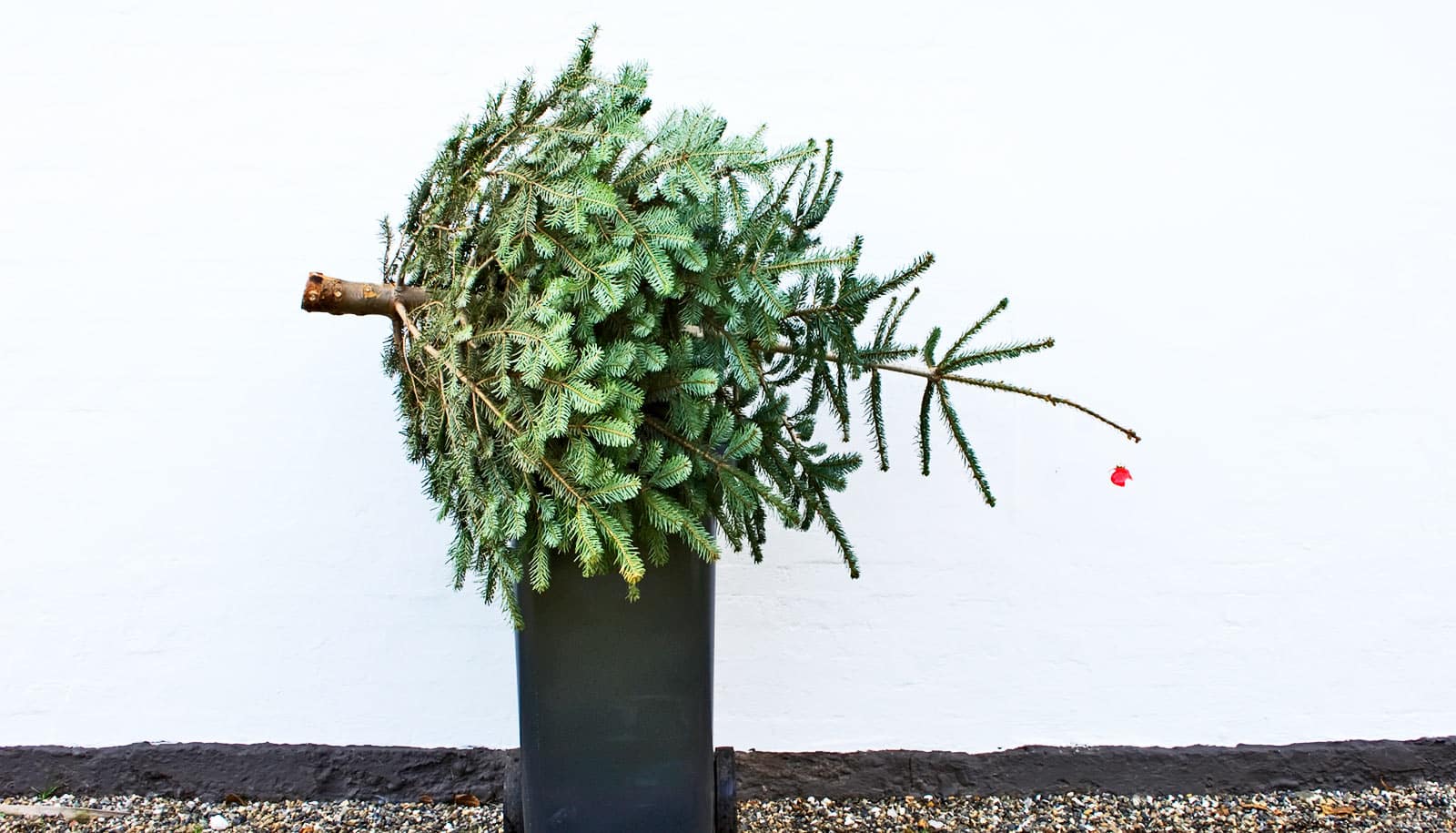
Check with your local municipalities about Christmas tree recycling programs. Many offer this resource for disposing of your tree. This allows you to place your Christmas tree by the side of the curb and it will be taken and made into mulch. We really want to avoid Christmas trees being placed into the trash system where they get brought to a landfill. It leads to more greenhouse gas production at the landfill and negatively affects the environment.
Source: Michigan State University