Even low levels of lead exposure can pose a greater risk of strep throat in children, according to new research.
Researchers examined medical record data on more than 13,000 children who were 14 years old or younger in Philadelphia, Pennsylvania from 2010-20.
Lead exposure data was collected through routine blood lead screening. Medical records also were checked for a clinical diagnosis of strep throat or croup infections.
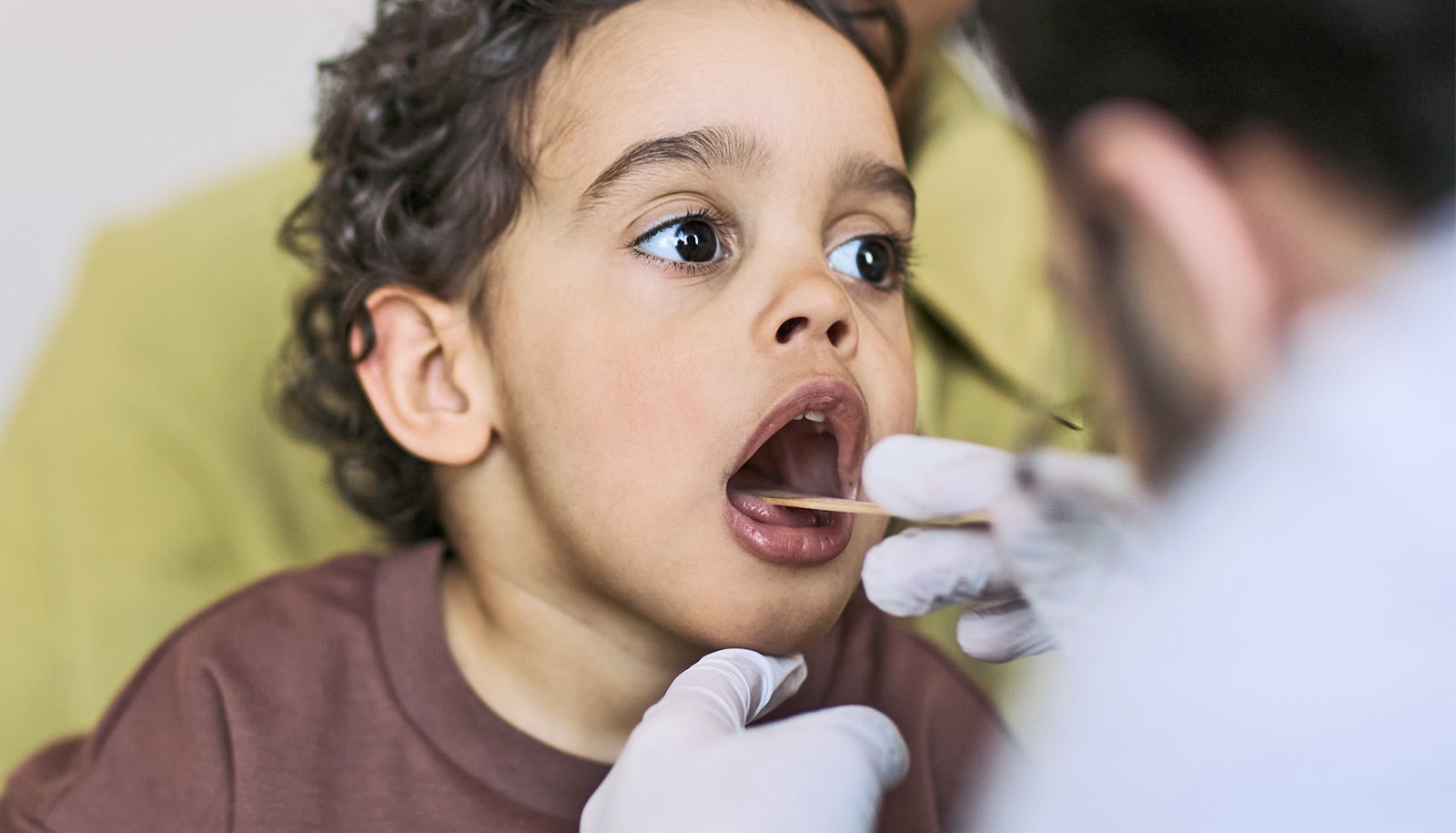
Compared with children whose blood lead concentration was under 1 microgram per deciliter, which is below public health intervention thresholds, children with levels between 1 and 3.4 micrograms per deciliter had about 2.5 times the odds of being diagnosed with strep.
Children at or above 3.5 micrograms per deciliter—the Centers for Disease Control and Prevention’s threshold for taking public health action—had about 2.7 times the odds.
Higher lead concentrations were also associated with more frequent strep diagnoses. Researchers found no clear association between lead exposure and croup.
“This work is directly related to health inequities and structural barriers faced in many older cities, including Buffalo,” says the study’s corresponding author Marina Oktapodas Feiler, assistant professor of epidemiology and environmental health in the University at Buffalo School of Public Health and Health Professions (SPHHP).
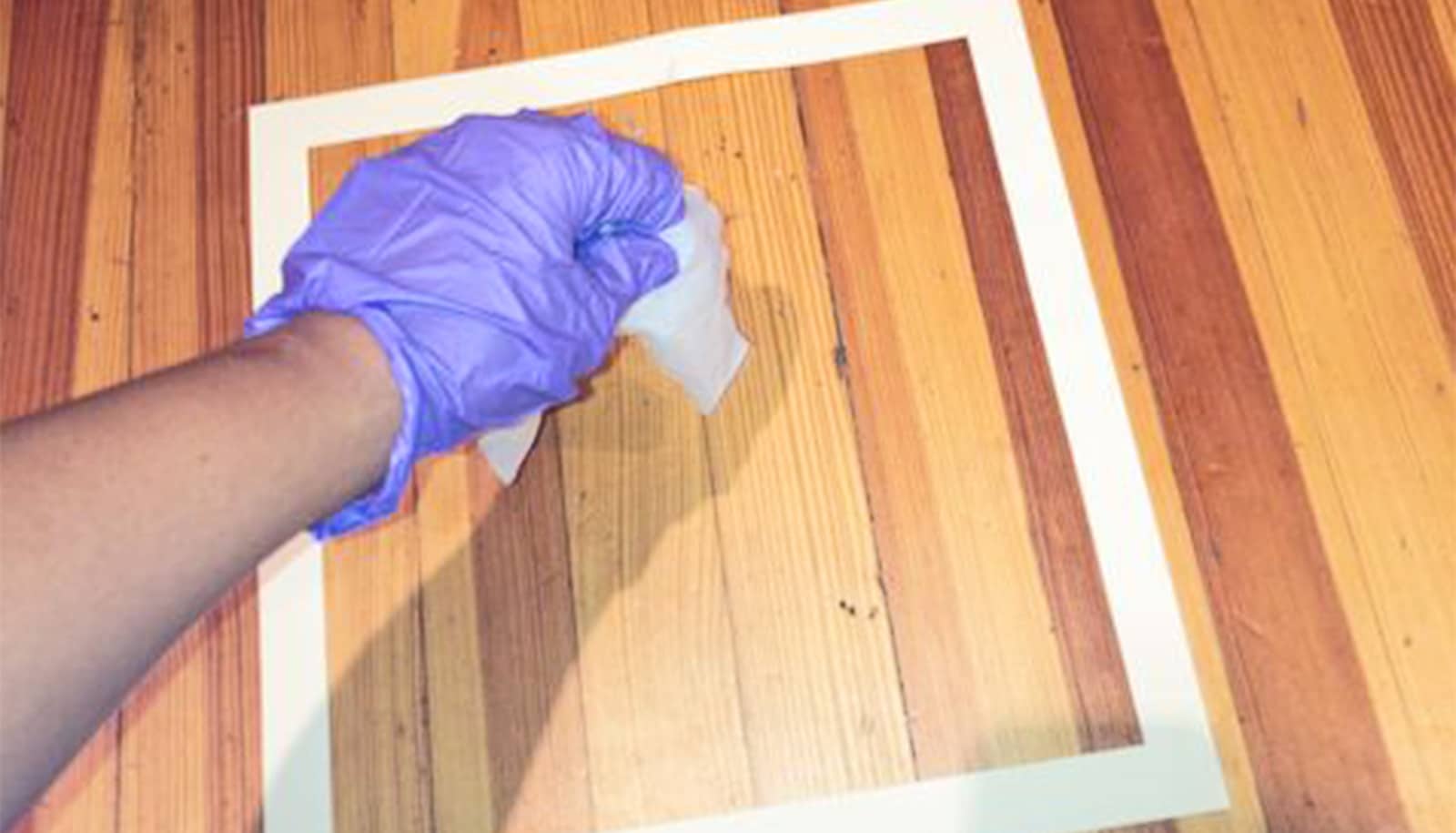
“Homes and other residences in these cities have historical lead paint that can chip, making dust and deteriorating windows specifically problematic.”
Oktapodas Feiler, who is director of the school’s Master of Public Health Concentration in Maternal and Child Health, adds: “Renters and those of lower income are disproportionately affected as they cannot maintain the homes or make appropriate renovations which remove lead.”
The study appears in the Journal of Exposure Science and Environmental Epidemiology.
Environmental lead exposure in children can adversely affect the development and maturation of the immune system and increase the susceptibility to infectious respiratory illnesses, the researchers say. Despite these effects, scientific evidence of childhood respiratory outcomes linked by lead exposure remains inconclusive.
The study also adds links between lead exposure and damage to the immune systems of developing children. The effects of lead exposure were evident even at levels below blood lead action levels established by the CDC.
This value—which is based on the blood lead concentrations of the top 97.5% of children in the United States—is meant to alert clinicians to increase observation and potentially recommend remediation of lead exposure in the home but does not have any health indications.
Source: University at Buffalo