An expert has answers for parents and caregivers as children head outdoors during tick season.
Sending kids outside for warm-weather activities like camps or youth sports doesn’t need to include tick bites. Bites from nymph-stage deer ticks carrying Borrelia burgdorferi, or borrelia bacteria, cause Lyme disease. Those tiny arachnids thrive in wooded areas, tall grass, and brush, especially in early summer.
Ticks go through three life stages: larva, nymph, and adult. Nymphs are responsible for most human infections because they are tiny and harder to detect, though adult ticks can also spread Lyme disease into the fall.
Lyme affects 475,000 people in the United States each year. While most cases can be treated with antibiotics, about 10 to 20% of people infected develop ongoing symptoms including fatigue, brain fog, and joint and muscle pain lasting months or years.
A vaccine to protect against Lyme disease is in the final stages of development from Pfizer.
“The hope is that that vaccine will get approved in the next year or so and may become an option, but it’s a difficult vaccine to use because it requires three to four doses,” says Linden Hu, a professor in immunology at Tufts University School of Medicine and co-director of the Tufts Lyme Disease Initiative.
For now, the best medicine is prevention. Hu explains how to keep kids safe this season.
Shower after outdoor activities
The good news: Ticks often crawl around the body before attaching to skin. A shower right after potential exposures to ticks can wash them off before they attach.
“Before they take that bite, they’re really easy to wash off in the shower. It’s one of the most effective and easy things kids can do,” Hu says.
Conduct nightly tick checks
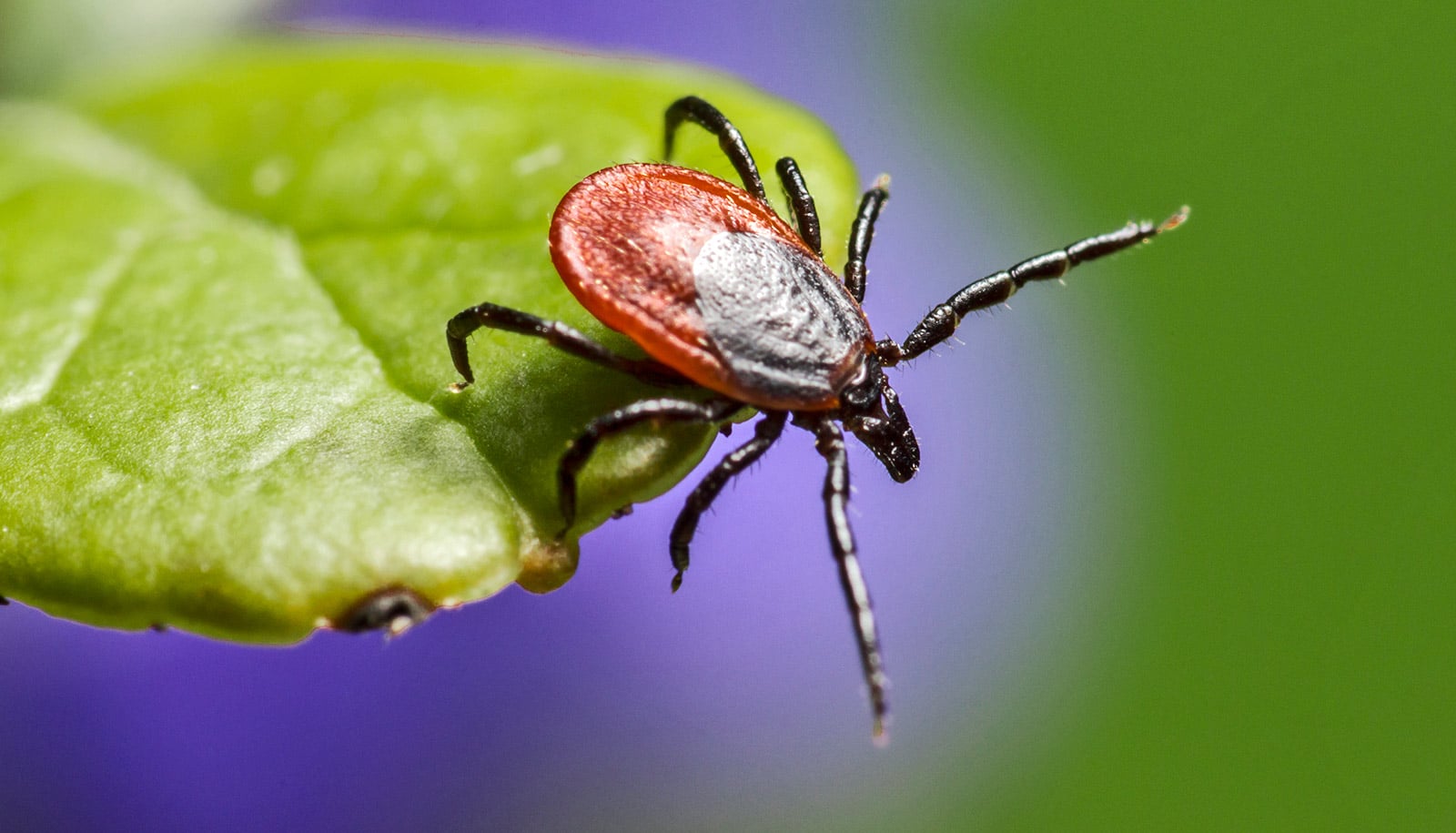
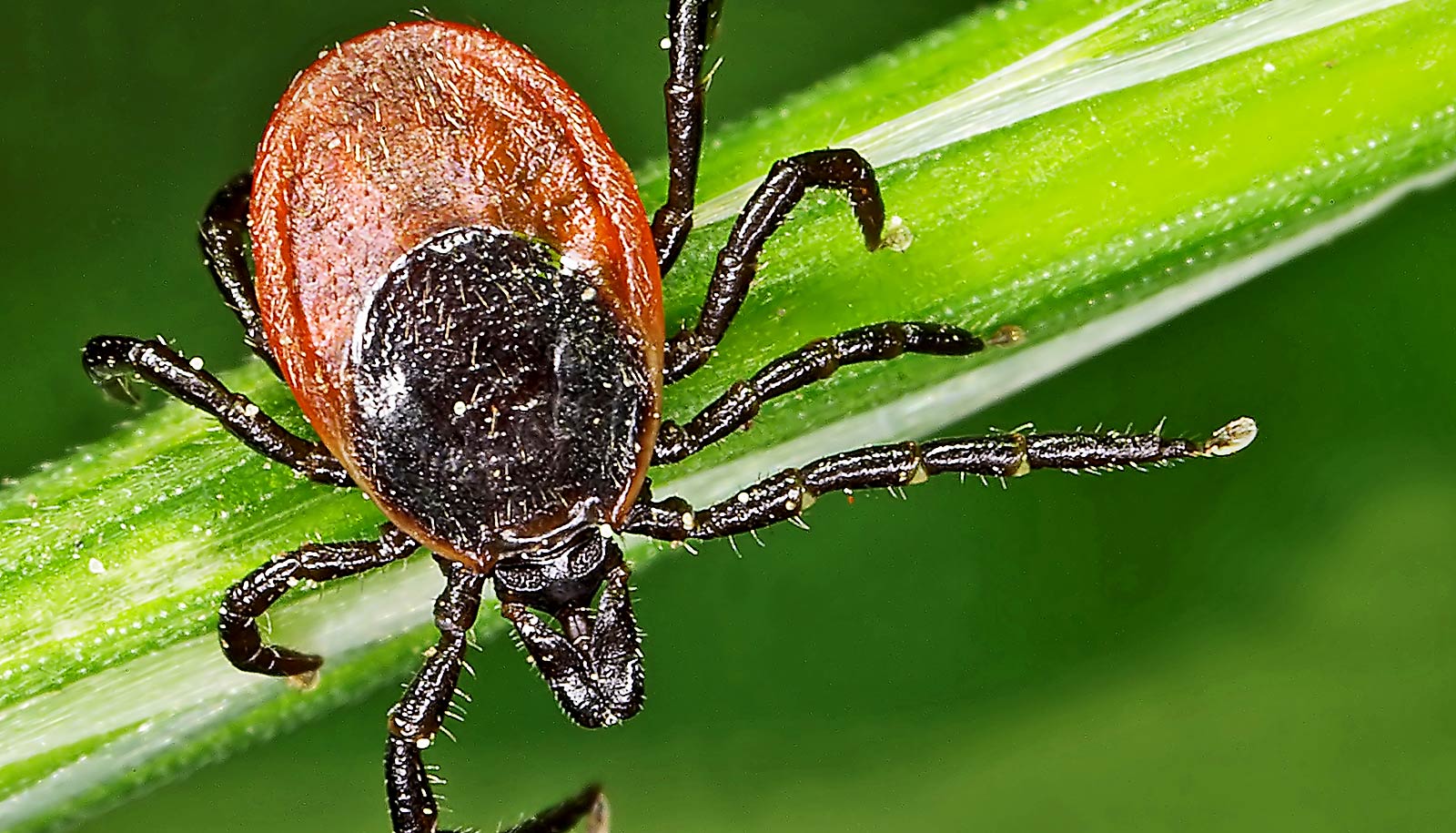
Deer ticks are reddish-brown and oval-shaped. Hu recommends checking common hiding spots like behind the ears, under arms, around waistbands, behind knees, and along the scalp. Do this every night, since ticks do not usually transmit Lyme disease if they are attached for less than 48 hours.
Remove ticks with tweezers
If you spot one, grab the tick close to the skin and pull gently upward. Hu warns against yanking too hard.
“Sometimes you end up decapitating the tick,” he says.
If this happens, don’t panic.
“The tick head will eventually come out. You don’t need to go in there digging for it,” he says.
Use DEET-based bug spray
DEET-containing insect repellents can help keep ticks from biting, but they require regular reapplication. Follow the instructions on the product label.
Dress kids in permethrin-treated clothing
Reduce reliance on bug spray by buying permethrin-treated socks, shoes, and clothes. Permethrin is an acaricide that kills ticks before they attach. Best of all, the treatment has staying power.
“Permethrin lasts a long time, pretty much the life of the clothing if done commercially, especially for children since they outgrow clothes so fast. They usually last about 70 washes or so,” Hu says.
You can also spray permethrin onto untreated clothes yourself, though that lasts just three to five washes. Permethrin is toxic to cats, so keep the spray and wet-treated items away from them (dry-treated clothing is fine).
Know that not every tick carries Lyme disease
Tick infection rates vary widely, and many bites never lead to harm. “It’s very variable: Rates vary from as low as 5% to 50% of ticks, and not every tick bite transmits Lyme disease,” Hu explains.
Watch for unusual rashes
A Lyme rash, or erythema migrans rash, often appears between three and 30 days after a tick bite as an expanding red oval or circular patch. In children, rashes commonly appear on the head and neck, likely because kids are closer to the ground.
Although Lyme disease is often associated with a “bull’s-eye” rash, Hu says that presentation occurs only about 30% of the time.
“It’s more commonly just an oval, homogeneous red rash,” he says.
Unlike a typical tick-bite reaction, which is usually small and fades quickly, an erythema migrans rash continues expanding over time and can become quite large. Clinicians generally look for a rash at least 5 centimeters wide to strongly suggest Lyme disease, Hu explains. Fever, fatigue, headaches, joint pain, or a growing rash after a tick bite should prompt an immediate doctor’s visit.
If untreated, the infection can spread beyond the skin to the heart, nervous system, and joints, potentially causing conditions including meningitis, carditis, and arthritis.
Post-exposure prevention is available
“If a kid has a tick bite, and it looks like it’s engorged and feeding for more than 48 hours, you can take a single dose of the doxycycline as a preventative,” he says.
Treatment
Finally, if your child is unlucky enough to get Lyme disease despite all this, early antibiotic treatment can prevent complications. In kids, Lyme is typically treated with oral antibiotics such as doxycycline and amoxicillin.
Source: Tufts