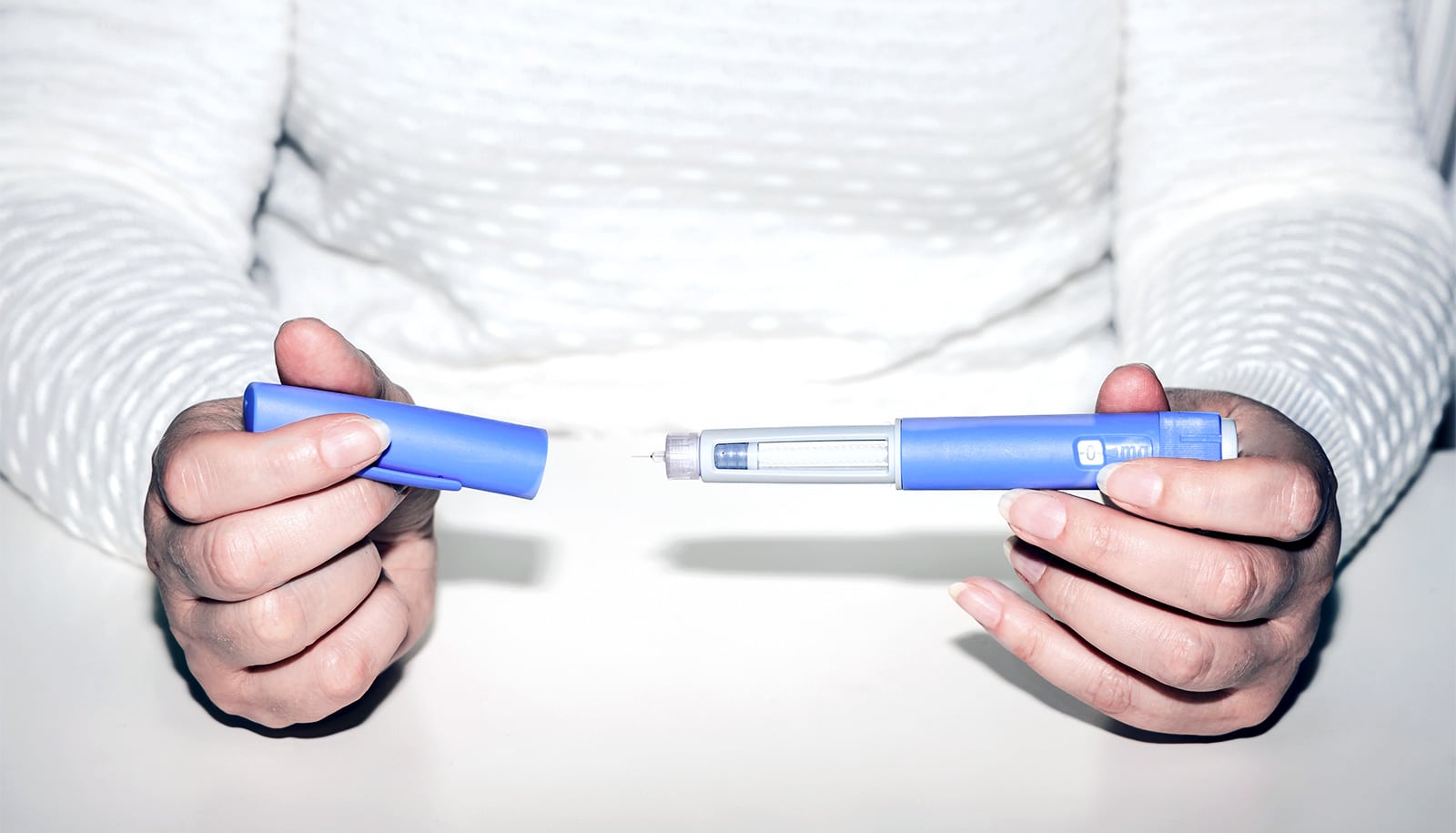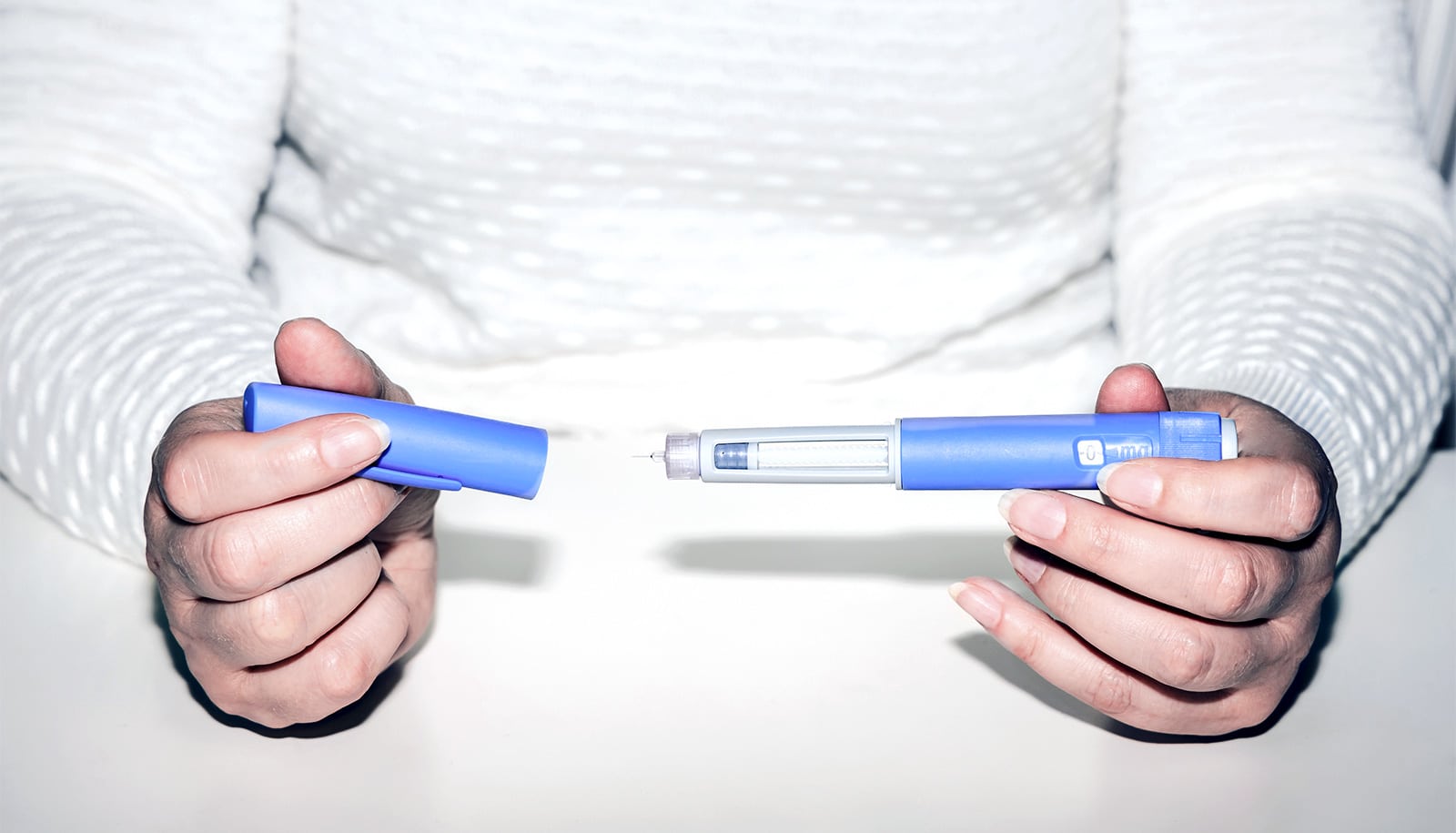
A new study suggests patients aren’t taking their GLP-1 weight loss medications as prescribed, often because of high out-of-pocket costs.
Published in JAMA Health Forum, the study analyzed compliance among 8,914 patients who started taking GLP-1s for weight loss and had continuous insurance enrollment through the 1.5 year study period. The cost of GLP-1s were broken into five segments: $0-$21, $22-$43, $44-75, $75-168, and more than $168.
Even at the lowest cost tier, medication discontinuation was high, with three out of four patients stopping their GLP-1 within a year of filling their first prescription. But researchers saw a significant drop-off around the $75 mark. When monthly out-of-pocket costs exceeded this amount, nonadherence rose to more than 80%.
“That surprised me because when I first ran this analysis, I expected a clear linear association between higher out-of-pocket costs and lower adherence, but that wasn’t the case,” says lead author Eunhae Shin, an assistant professor of health policy and management in the University of Georgia’s College of Public Health.
“Until people reached that $75 tipping point, they were similar in terms of adherence.”
Low adherence for GLP-1s can come from a variety of factors, including physical side effects or insurance policies. While not directly measured in this study, mid-year insurance policy changes, prior authorization requirements, or step therapy, which requires starting with a lower cost medication before moving up to a similar but higher cost option, can interrupt prescription continuation.
In addition to identifying a financial “tipping point,” Shin says the study confirmed the role out-of-pocket costs play in medication adherence.
“The key takeaway from our study is that out-of-pocket costs matter,” Shin says. “And this question is so timely and important because of what’s going on in the policy space.”
Federal programs have limited out-of-pocket spending on GLP-1s for eligible Medicare patients at $50. But commercial insurers have not adopted similar price caps.
“That basically means people who have employer-sponsored insurance may continue to face these financial barriers,” Shin says. “Policymakers, regulators and insurance companies should consider that.
“If their goal is to improve medication adherence and have as many people benefit from these drugs as possible, we should start thinking about how to restructure out-of-pocket costs and insurance design.”
The lowest adherence rate—about 17%—was seen in patients paying $168 or more in monthly costs. Patients in this group were more likely to live in Southern states and have a high-deductible insurance plan.
While the study didn’t directly analyze socioeconomic factors, previous research suggests that low-income populations are more likely to enroll in plans with high-cost sharing and low premiums. In these plans, patients often bear the full price of GLP-1 medication until their deductible is met. And that deductible can be several thousand dollars.
“That means more vulnerable people are in those high spending zones, which can in turn lead to lower medication adherence,” Shin says.
Obesity increases the risk of heart disease, type 2 diabetes, high blood pressure, and other chronic health conditions. Individuals with chronic disease can face higher health costs, and unexpected and costly emergency room visits or hospitalizations. Despite short-term financial barriers to weight loss medications, Shin hopes future research can demonstrate long-term economic benefits.
“Although the out-of-pocket cost can be sizeable in the short run, potentially in the long run we are able to better manage chronic conditions with these medications,” Shin says. “If you can reduce emergency department visits and hospitalizations, that could lead to long-term cost savings.”
Source: University of Georgia