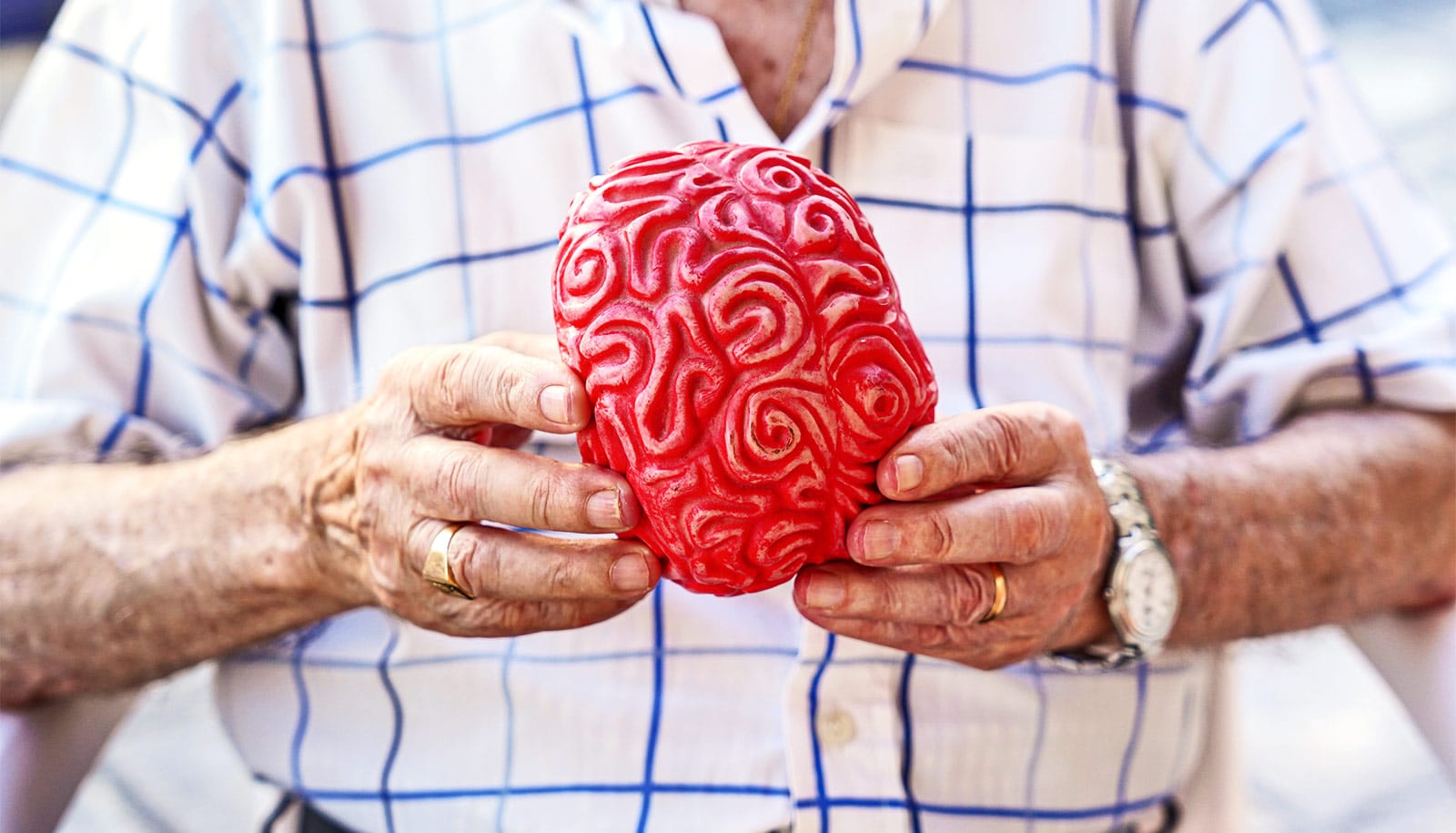
Just 20 minutes of exercise twice a week may help slow dementia.
That’s according to a new study led by researchers with the Center for Community Health and Aging in the Texas A&M University School of Public Health.
“The benefits of exercise for this group have long been known, but by using a longitudinal study design and analyzing various levels of activity, we could determine the amount and duration needed to help prevent further decline,” says Jungjoo “Jay” Lee, who led the study, which was published in the Journal of Physical Activity and Health.
He adds that mild cognitive impairment—a loss of memory or other thinking processes that is noticeable but does not affect everyday life—is thought to be one step on the path to Alzheimer’s disease and related dementias, but the relationship is not always straightforward.
While those with mild cognitive impairment are at greater risk of developing dementia compared to others, some with the condition stay stable or even improve over time, while others progress to dementia, he says.
“Our age and how well our brain was working to begin with are factors,” he says. “In addition, solving puzzles, spending time with others, and staying physically active may help slow down or even stop the slide.”
For their study, the team analyzed longitudinal data about the relationship between physical activities and dementia for participants in the 2012 to 2020 Health and Retirement Study Core data, a national study of adults age 50 and older in the United States that is produced every other year.
The researchers assessed mild cognitive impairment through three types of cognition: memory (participants’ recall of 10 words immediately after hearing them and again after five minutes), working memory (subtracting seven from 100 over five trials), and attention and processing speed (counting backward from 20 to 10 over two trials).
This resulted in 9,714 participants, of which 68.6% were male and 31.4% female. Their median age was 78, just over half were married and 42% were widowed or divorced. Eight percent had been diagnosed with Alzheimer’s disease or dementia during the study period.
To measure cognitive decline, they used participants’ medical diagnosis of either Alzheimer’s disease or dementia and any changes since 2012.
The team then analyzed how often participants engaged in 21 types of activities, such as playing sports or walking, and for how long.
“Older adults who maintained moderate levels of physical activity showed a significantly lower chance of developing dementia over time, while those who were less active saw little to no benefit,” says coauthor and center colleague Junhyoung “Paul” Kim. “This highlights the importance of regular movement—such as walking—as a simple and effective strategy to support brain health.”
In addition, the study found that the risk of developing dementia increased with age, while higher levels of education and cognitive function lowered the risk, and sex had no effect.
Despite the study’s limitations, Lee is optimistic that this new knowledge could help in the development of new therapies for this group.
“One out of every nine adults 45 and older in the United States say they experience confusion or memory loss that is getting worse, and that shows no signs of improving,” Lee says. “This study and future studies could help in the development of community-based, comprehensive activities for this growing population.”
The other researcher involved with the study was Kangeun Lee with Indiana University.
Source: Texas A&M University