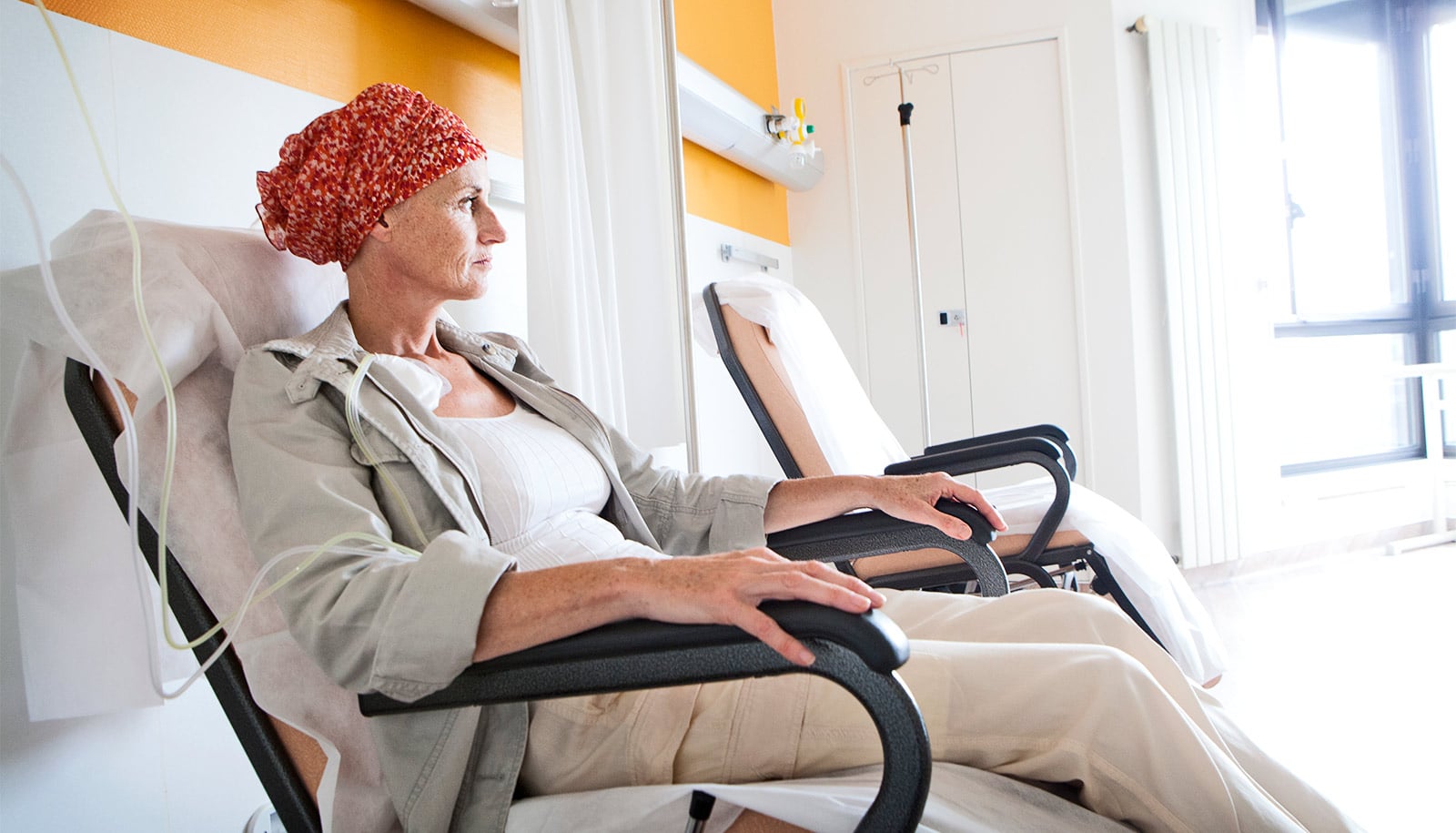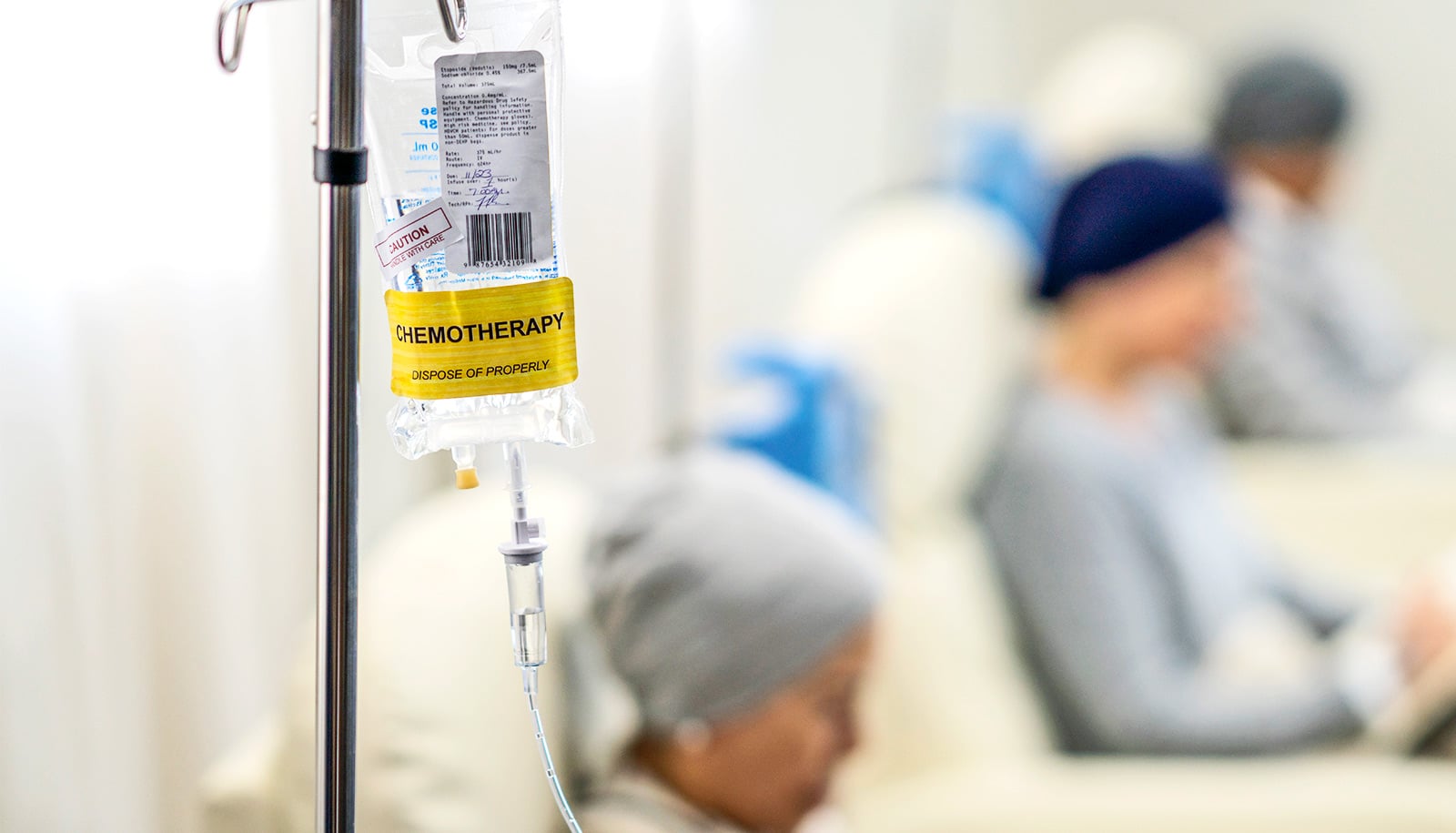
New results show that a virtual diet and exercise program is a feasible strategy for minimizing chemotherapy side effects and increasing treatment retention.
It’s no secret that cancer treatment can come with a range of side effects. During lymphoma treatment, some of those adverse effects can be so severe that patients have to stop or slow treatment.
Melissa Lopez, a postdoctoral associate in the CRANE Lab at Sylvester Comprehensive Cancer Center, part of University of Miami Miller School of Medicine, presented the new findings at the American Society of Hematology Annual Meeting in Orlando.
“A lot of the work that has been done in the area of lifestyle and oncology has been in the prevention setting or in the survivorship setting after treatment,” says Lopez, who explained that there is a significant lack of data on how lifestyle during treatment may impact treatment outcomes.
For the new LIFE-L study, the research team—led by Tracy Crane co-lead of the Cancer Control Program and director of lifestyle medicine, prevention and digital health at Sylvester, and Craig Moskowitz, professor in the Hematology/Oncology Division at the Miller School and Sylvester director of academic clinician development—recruited 72 individuals who received standard, six-cycle combination chemotherapy regimens for lymphoma.
Forty-four of those patients received immediate access to a virtual diet and exercise program designed to help them maintain their fitness and reduce the burden of side effects so that they can tolerate their prescribed cancer treatment regimen. Twenty-eight participants were placed on a waitlist control group to allow for comparison with the intervention group.
“Our goal with LIFE-L is to show that lifestyle interventions aren’t just for prevention or post-treatment. They can make a real difference during treatment. If we can help patients feel stronger and reduce side effects, we’re not only improving quality of life. We’re supporting them in completing all of their prescribed therapy, which is critical for outcomes,” says Crane.
The program included weekly, online coaching sessions with a registered dietitian and an exercise physiologist throughout chemotherapy. The sessions were individualized to each patient’s needs.
“We first needed to evaluate if it’s feasible to do this, before even attempting to see the effects on the patients and their outcomes,” says Lopez. “We had to ask, ‘Could patients do this while they’re receiving treatment?’ We can offer it all day long, but are people going to want to be a part of it? Are they able to physically and mentally be in the headspace that they want to do this?”
Not only did 81% of the eligible patients enroll in the program, but the research team found that attendance rates were high. Diet sessions had 86% attendance and exercise sessions 81%.
Those in the intervention group reported lower rates of various symptoms, including anxiety (17% vs. 34% for the waitlist group), depression (46% vs. 67%), pain (22% vs. 39%), fatigue (46% vs. 67%), and constipation (17% vs. 25%). Additionally, participants in the program demonstrated greater grip strength and outperformed waitlisted individuals on a series of physical performance tests.
As the study progresses, the team will assess whether reducing treatment burden improves participants’ adherence to their treatment plans. This is vital, as it’s well-known that interruptions due to side effects can diminish the effectiveness of cancer therapies.
“We know that if patients receive less than 85% of their prescribed chemotherapy, there are implications for survival,” says Lopez. “The goal is to keep patients above the 85% and, to do that, patients need to be healthy enough to be able to tolerate the dose that was prescribed.”
Lopez hopes that presenting the LIFE-L findings at ASH will encourage more clinicians to refer their patients to lifestyle medicine programs. She aims to highlight the importance of diet and exercise to hematologist-oncologists, as there is often a lack of knowledge or awareness about available recommendations for patients. The virtual program is designed to help bridge this gap.
“It’s been very, very rewarding to see the physicians referring patients,” says Lopez. “The physicians are key stakeholders in all of this.”
Source: University of Miami