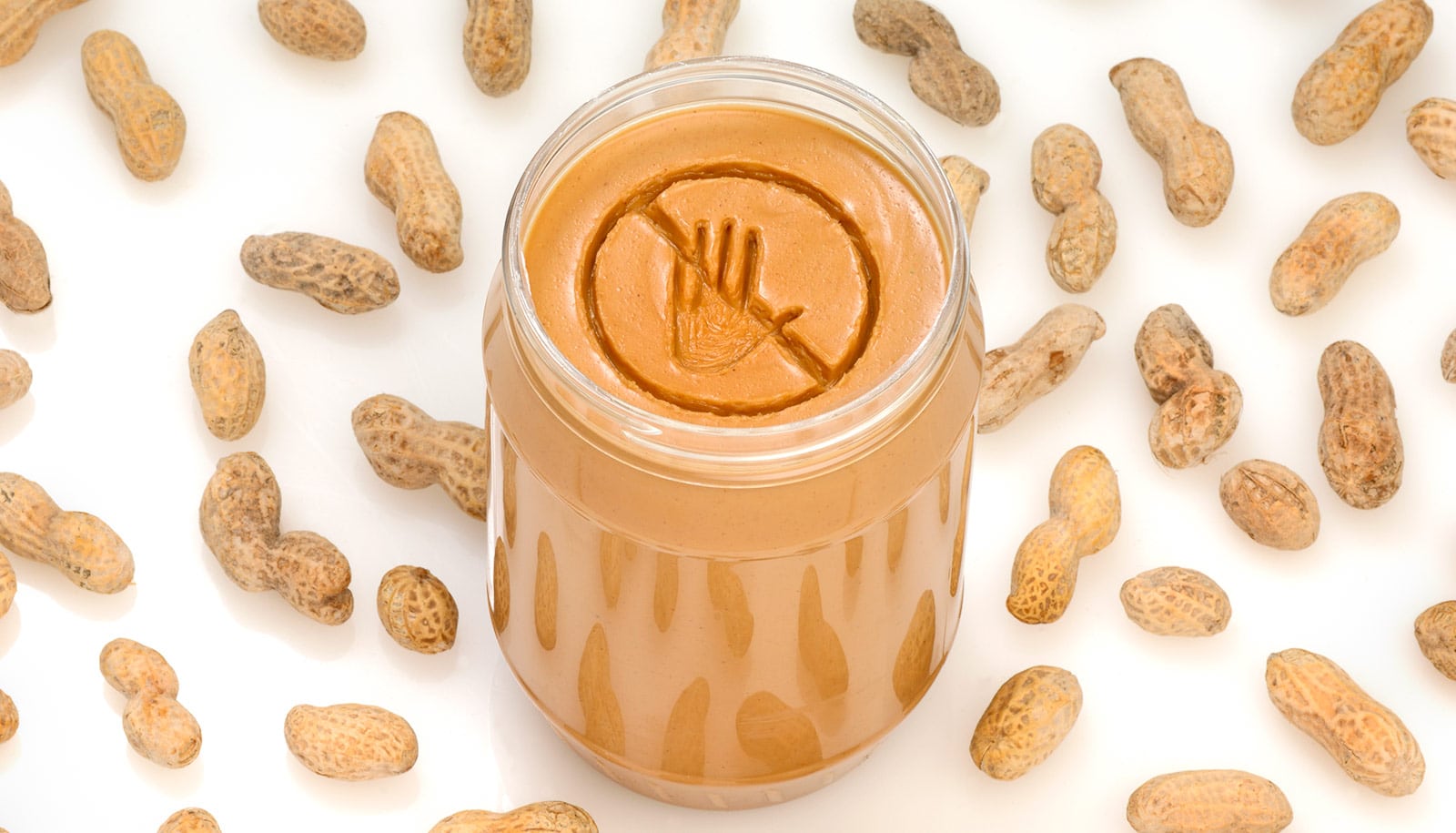
Is your child’s food allergy forever? Here’s what science says about which allergies kids most often outgrow—and why.
Common food allergens kids often outgrow
The food allergies kids most frequently outgrow are milk and egg. Many children first begin to tolerate these foods in baked foods such as muffins or pancakes. Over time, some can safely reintroduce less processed forms. Studies show that up to 90–95% of children eventually outgrow milk and egg allergies.
Other common allergens—such as peanuts, tree nuts, sesame, and shellfish—tend to be more persistent. “Fewer than 20% of children will outgrow their peanut allergy,” says Kirsi Järvinen-Seppo, chief of pediatric allergy and immunology at University of Rochester Medicine Golisano Children’s Hospital.
“That is why peanut remains one of the most researched and carefully managed food allergies in pediatrics.”
Why do some kids outgrow food allergies while others don’t?
There is still no complete explanation, but experts know that several factors play a role:
- IgE Levels Matter: IgE is an antibody produced by the immune system that triggers allergic reactions, making it one of the most important markers to understand and track food allergies. “We see that children with lower starting and peak IgE levels for a particular food are more likely to outgrow that allergy,” says Järvinen-Seppo. “High IgE levels tend to signal a longer path to tolerance.”
- Severity and Number of Allergies: Kids with milder reactions or fewer overall food allergies often outgrow them sooner. Multiple and/or severe allergies can be more persistent.
- Genetics: Food allergies are multifactorial, meaning many genes and environmental factors play a part. Some genes related to skin barrier function, such as filaggrin, are linked to eczema and peanut allergy. But no genetic test can reliably predict whether a child will outgrow an allergy.
Can parents do anything to help their child outgrow an allergy?
There is no home-based remedy to speed up outgrowing a food allergy. However, many pediatric allergy practices now offer Oral Immunotherapy, or OIT, which introduces small, controlled amounts of an allergenic food to help build tolerance.
OIT is most often used for peanut allergies. It may be done with an FDA-approved peanut product or with carefully measured peanut powder under medical guidance. Treatment typically involves 10 to 14 office visits over several months. “Younger children often show the best long-term outcomes after OIT,” says Järvinen-Seppo.
While OIT doesn’t guarantee permanent tolerance, many families find that it raises their child’s reaction threshold and significantly reduces worry around accidental exposures.
Food allergy prevention tips for parents
The field of food allergy prevention is evolving quickly, and one of the biggest shifts in recent years is the emphasis on early introduction of allergenic foods. “Research shows that introducing peanut between four to six months of age can dramatically reduce a child’s risk of developing a peanut allergy, with similar findings emerging for early egg introduction,” says Järvinen-Seppo. Because of this, pediatricians now advise against delaying these foods unless a child has reason to introduce them under medical supervision.
Another important piece of prevention is the early management of eczema. Eczema is closely linked to food allergy development, in part because inflamed skin may allow allergens to enter the body and trigger an immune response. Studies suggest that consistent skin care, including daily use of moisturizers in infants at high risk, may reduce eczema severity and potentially lower the chances of developing a food allergy.
Source: University of Rochester