In a new podcast, a doctor digs into the gut microbiome’s role in brain development, disease, and lifelong health.
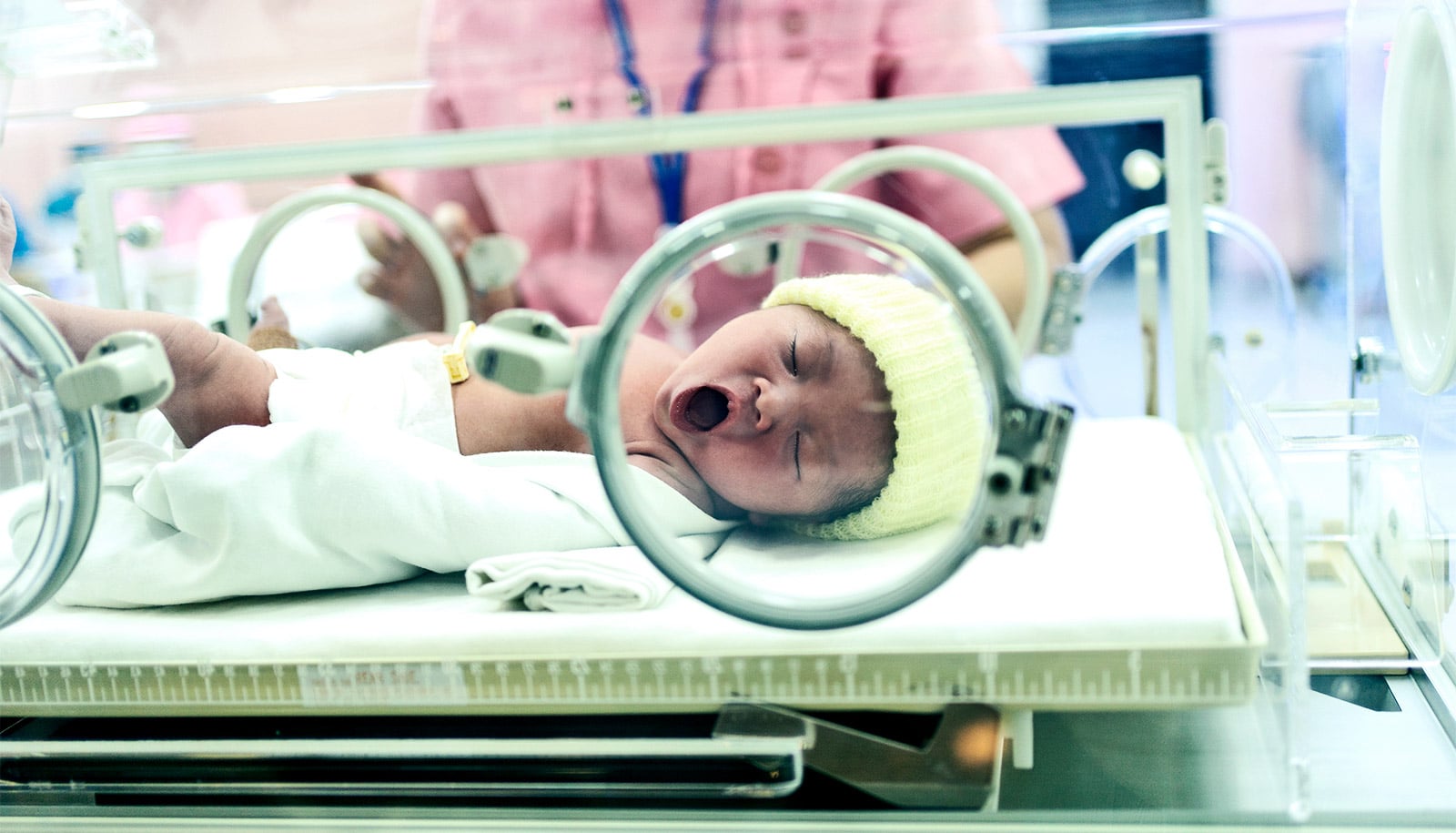
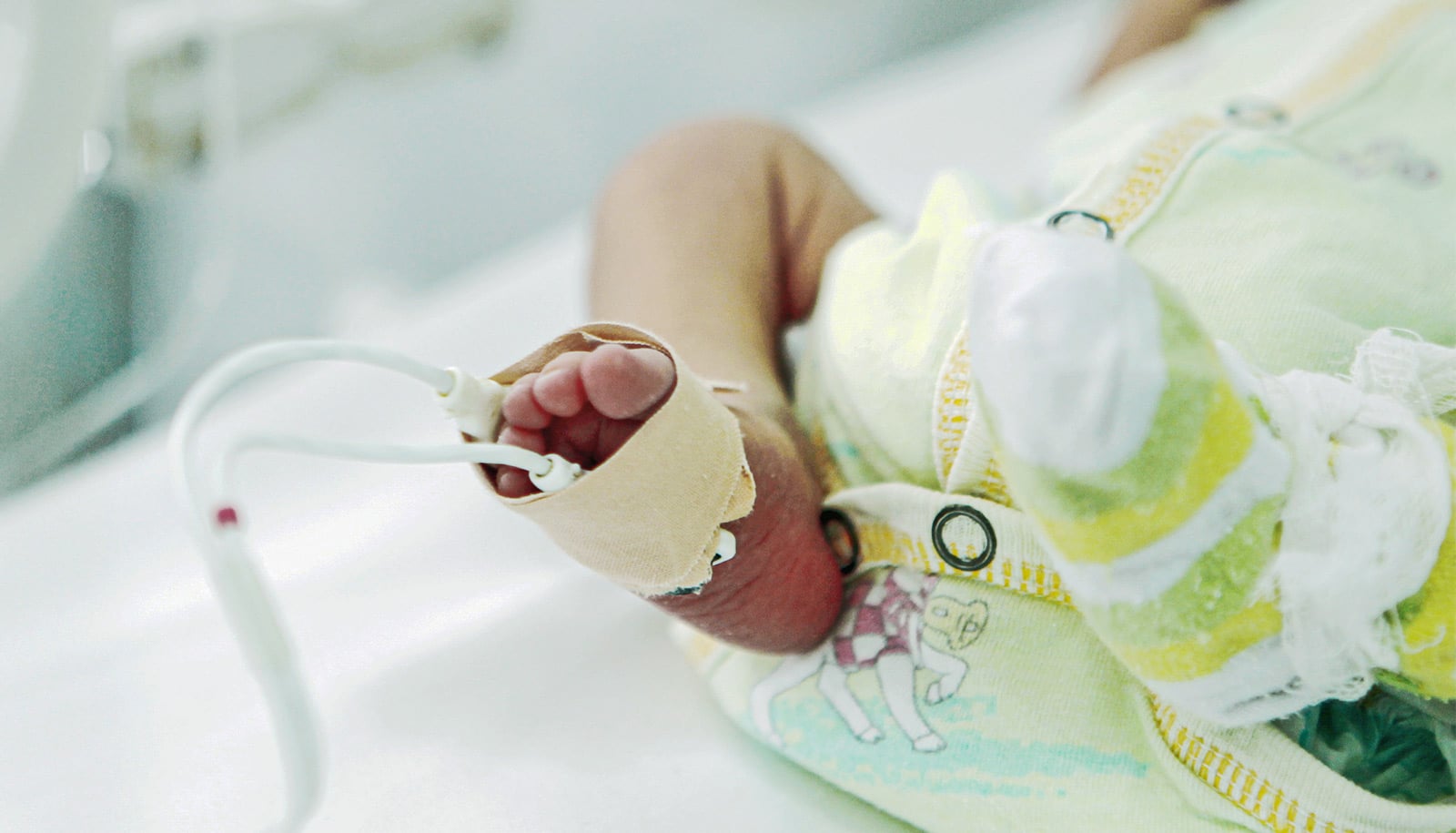
When babies are born preterm or premature—technically before 37 weeks—many of their body systems aren’t fully developed. That causes serious health problems that make it difficult to survive. It wasn’t that long ago that preemies born even a month early struggled, yet doctors today routinely help babies born at 22 weeks.
The goal today is to help babies not just survive but thrive, according to Professor Erika Claud, a neonatologist who directs the Center for the Science of Early Trajectories at the University of Chicago. Her research focuses on what happens in babies’ first fragile weeks, when organs are still maturing in the NICU at the hospital rather than the womb.
What she’s found is surprising: The key to a preterm baby’s long-term health, including their brain development as well as risk for disease and other health issues, may lie entirely in the gut microbiome. By studying stool samples throughout a baby’s first year, she and her fellow researchers are building an AI model to predict health—and how we can prevent disease long term.
In this podcast, Claud explains her work:
Read the transcript of this episode.
Source: University of Chicago