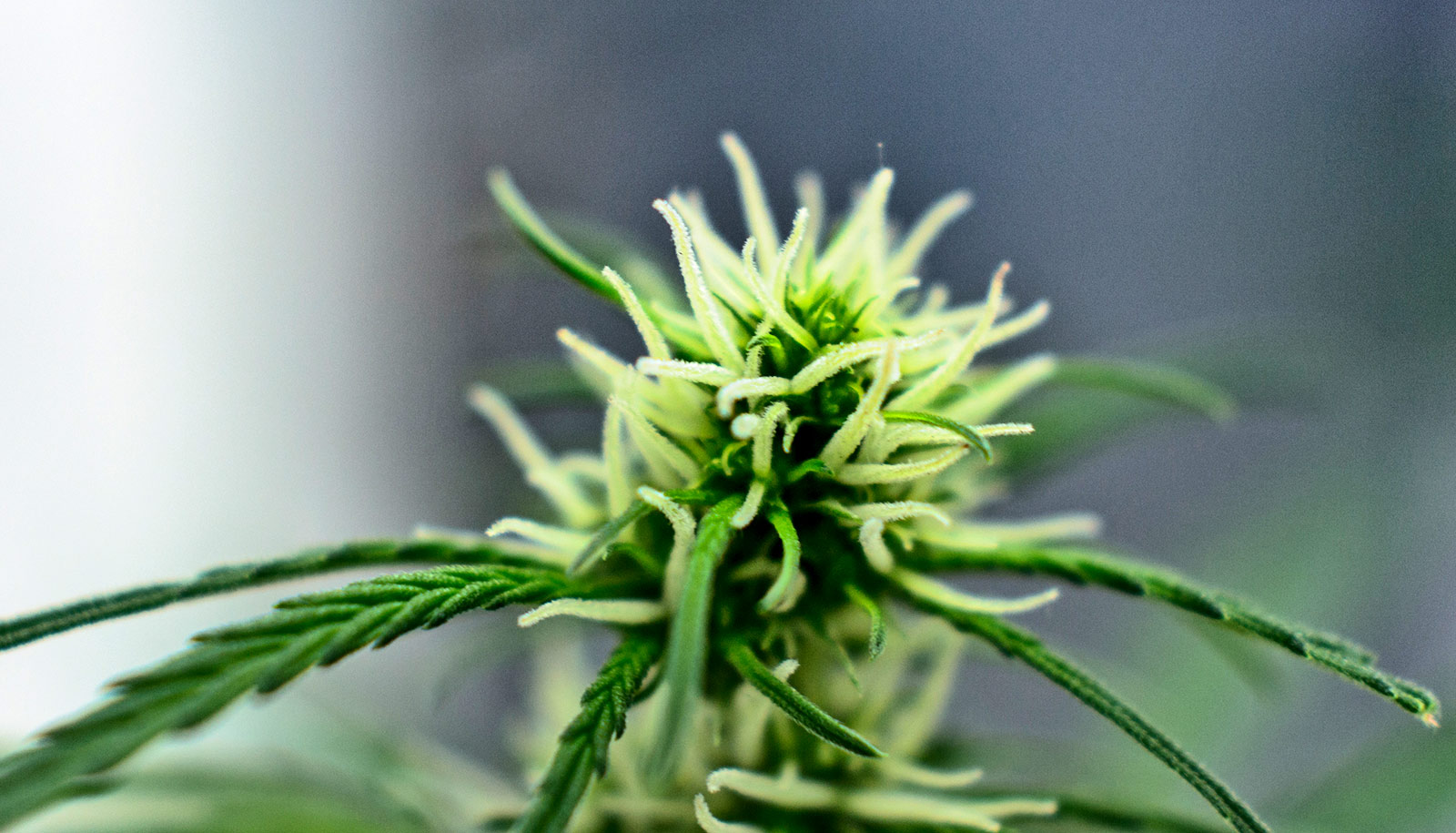
Scientists have developed a hemp plant that produces no detectable cannabinoids, including THC.
The new trait qualifies the plant as a Type V class of hemp. It could remove the biggest risk for producers growing hemp: a field that tests too high for THC and must be destroyed. The risk of THC levels has kept some producers from growing the crop for other commodities like fiber and grain.
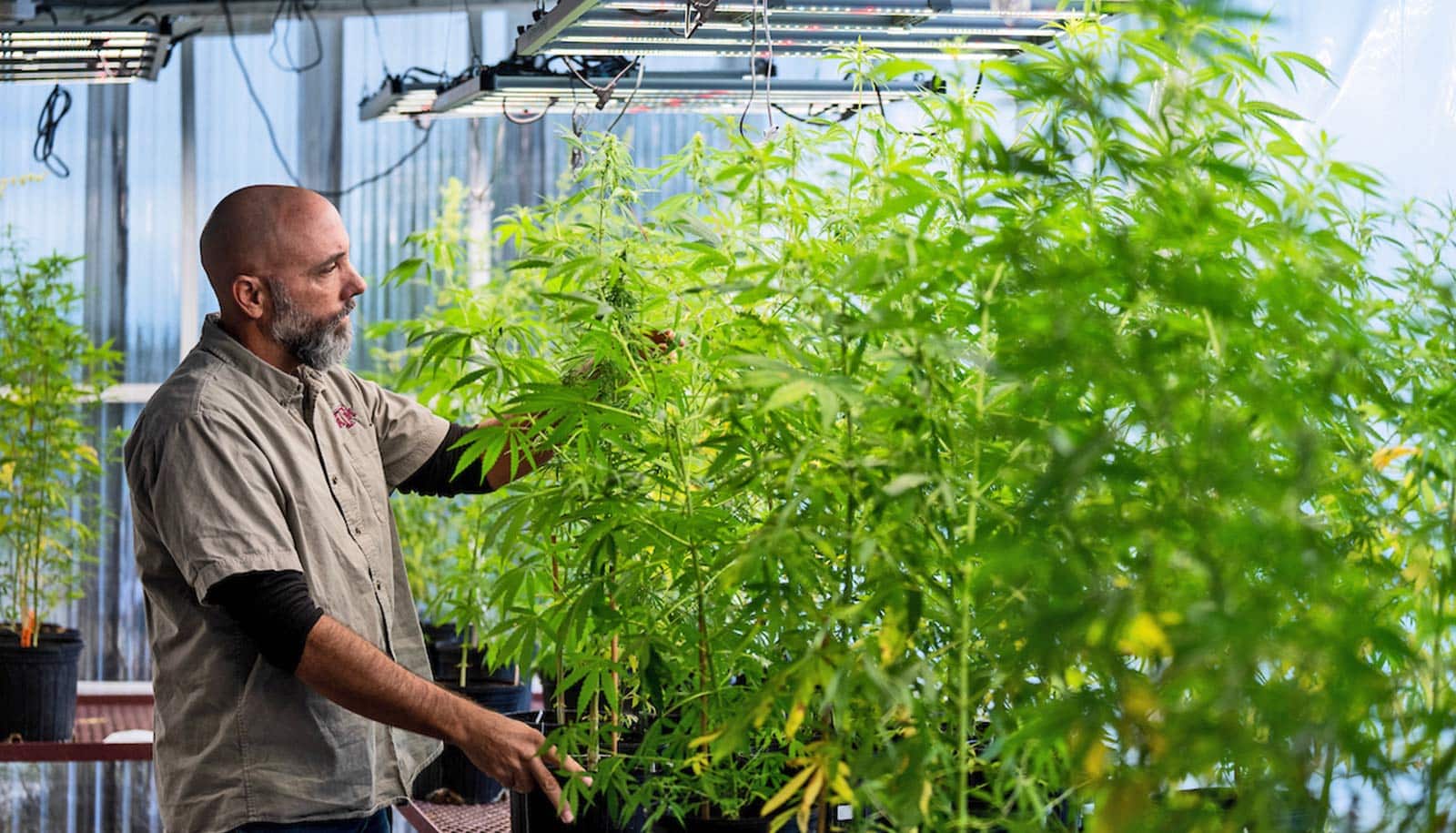
“Producers always had to worry about whether they’re going to have to destroy their crop; with Type V, they never have to worry about that again,” says Russ Jessup, AgriLife Research hemp breeder in the Texas A&M College of Agriculture and Life Sciences soil and crop sciences department and director of the Texas A&M AgriLife Research and Extension Center at San Angelo.
This discovery will breathe life into the fiber and grain hemp industry, Jessup says.
Jessup started the AgriLife Research hemp program from scratch in 2020 after receiving clearances and approvals from the Texas Department of Agriculture. This breakthrough is a result his research, sponsored by Rare Earth Genomics.
Hemp refers to the Cannabis plant with a delta-9-tetrahydrocannabinol, THC, concentration of less than 0.3%. THC is the active constituent of marijuana. In Texas, any hemp crops with more than 0.3% THC must be destroyed.
That risk has been a consistent challenge for the industry, Jessup says. In 2023, nearly every fiber hemp variety imported from Asia tested above the federal limit, he says. Those varieties are the only fiber types that grow well in Texas, and the losses nearly ended the industry’s chances of survival in the state.
Other programs have tried to target the genes that build cannabinoids. Several universities and companies have tried gene editing to “knock out” those genes, and Jessup says to date they have failed to remove 100% of THC and cannabinoids.
The AgriLife Research team went with a different approach, targeting the physical part of the plant where cannabinoids are made, called trichomes. The trichomes are tiny hairlike structures on the plant. Each one normally carries a gland on top.
Teja Sri Vengala started her research as a master’s student in 2022 under Jessup in the industrial hemp breeding program. She began targeting trichomes through breeding in 2023. Once she earned her master’s degree in 2024, she was hired as the lead plant scientist to continue the effort at Rare Earth Genomics, Bryan-College Station.
With little published hemp research to work from, Vengala experimented with dosages of ethyl methanesulfonate, EMS, to cause genetic changes in hemp seeds. Then she searched through thousands of plants for one that did not have glands on the trichomes. Her work is the first comprehensive calibration of EMS dosages for industrial hemp seed and was published in an article in Crops.
“Because there are no glands on top of the trichomes, cannabinoids cannot be produced,” she says.
After self-pollinating those plants, Vengala tested them with high-performance liquid chromatography, which screened 18 cannabinoids. The analysis detected none. She also performed sequence alignments following whole genome sequencing, identifying two novel candidate genes associated with the trichome pathway that may explain the trait.
The team is validating the genes with the Texas A&M AgriLife Genomics and Bioinformatics Service and developing molecular markers.
“There’s no GMO part to what she did,” Jessup says. “It really is more of a traditional plant breeding approach. As far as we know, no other hemp breeding program has used this approach to get a glandless, cannabinoid-free plant.”
Jessup says there are already government entities and companies worldwide showing interest. Companies, states and countries can cross Type V into their own adapted grain, fiber, or dual-use cultivars and reselect for the trait.
“The idea is to have the trait available for anybody to breed with now,” Jessup says. “The Texas and US markets are still small, but many countries have even stricter THC limits than the United States, which will give the trait global reach.”
The AgriLife Research hemp breeding team plans to develop its own Type V fiber, grain and dual-purpose cultivars for Texas, Jessup says, as no grain hemp varieties from Canada or Europe currently suit the state.
Texas hemp grain fits the small grains equipment already used on many farms, and because of its high omega-3 and omega-6 fatty acid profile, it could improve meat and eggs when used as feed for livestock and poultry.
After seed increases this winter and field trials in 2027 and 2028, Jessup believes seed from AgriLife Research-bred cultivars could be available for producers by 2029.
The trait is patent-pending and exclusively licensed to Rare Earth Genomics Texas LLC. Anyone interested in obtaining the trait can contact Rare Earth Genomics at LicenseTypeV@RareEarthGenomics.com.
Source: Texas A&M University