News of a hantavirus outbreak aboard an expedition cruise ship has put a spotlight on the rare but potentially deadly disease.
As of May 6, three passengers have died from acute respiratory illness and several additional cases are suspected among the other passengers and crew.
Health officials are investigating whether the virus, which is typically spread from rodents to humans, may in this case have spread between people on board the ship—a rare but concerning possibility.
Marieke Rosenbaum, assistant professor in the infectious disease and global health department at Cummings School of Veterinary Medicine at Tufts University, has been investigating whether rats in Boston carry hantavirus.
Here’s what she says the public needs to know about hantaviruses, the ship outbreak, and how to protect against the rodent-borne disease:
What is hantavirus?
Hantaviruses are a broadly distributed group of viruses that have been found in Europe, Asia, and the Americas. Hantavirus infections can start as a flu-like illness with fever. Depending on the strain, they can quickly progress to severe lung disease or, in some cases, internal bleeding and kidney failure.
The type of disease caused by various strains of hantaviruses typically depends on where you are in the world. The “new world” hantaviruses, which were more recently discovered in the Americas, cause the deadliest form of the disease—the severe respiratory illness known as hantavirus cardiopulmonary syndrome. (This form of hantavirus was recently in the news for causing the death of Betsy Arakawa, wife of the late actor Gene Hackman.) The “old world” hantaviruses found on the other side of the globe are more likely to cause the hemorrhagic disease that also affects the kidneys.
There is no treatment for any form of disease caused by a hantavirus other than to provide supportive care. Fatality rates for the more serious hantavirus cardiopulmonary syndrome depend on the strain—and can be deadly in about 3 to 4 out of every 10 people.
How do you catch hantavirus?
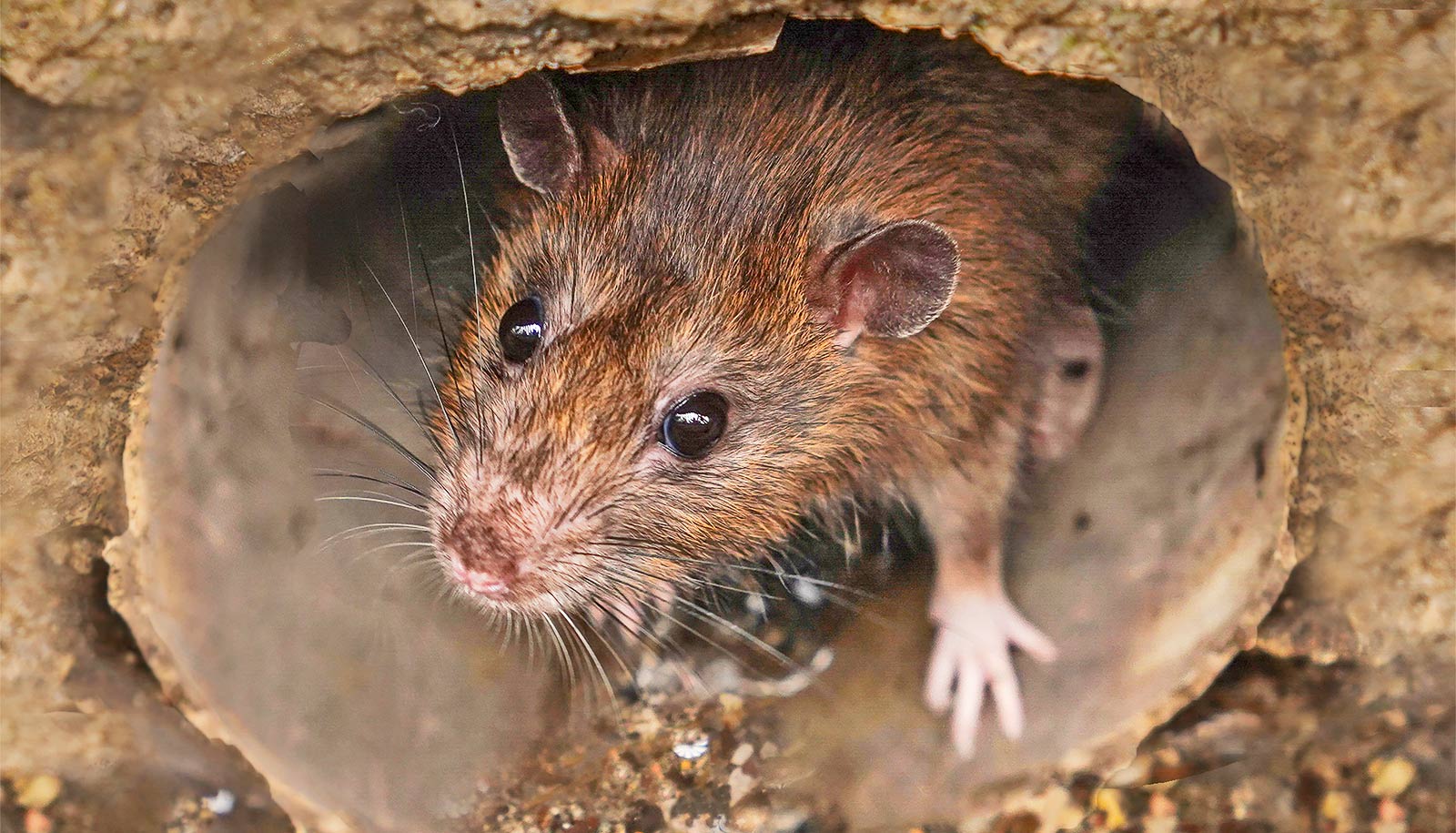
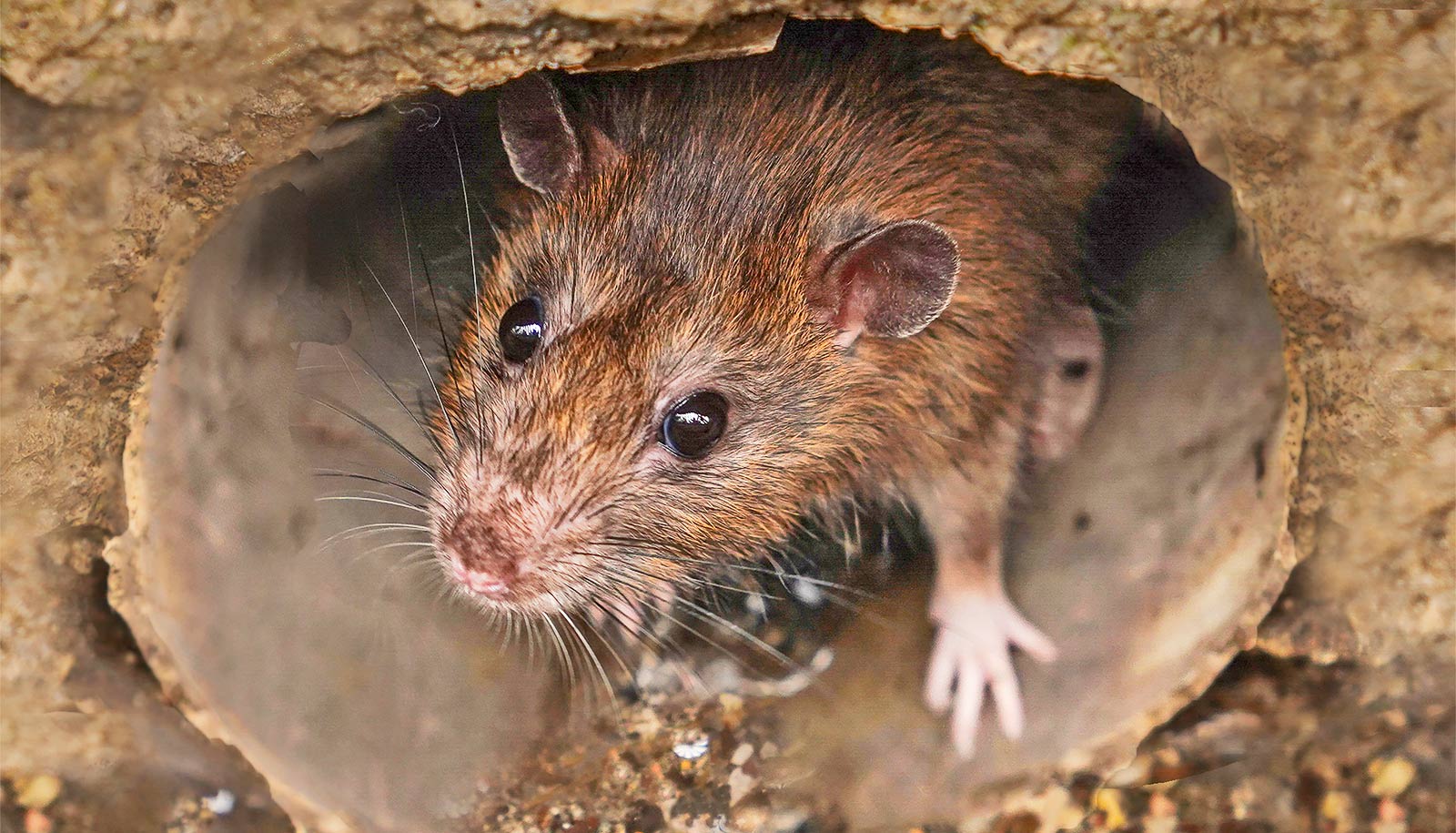
People most often become infected with hantavirus through contact with contaminated urine, droppings, or saliva from wild rodents—especially mouse urine. Some human cases have resulted from transmission from handling pet or laboratory rats and their bedding.
Most strains of hantavirus are not known to spread from person to person. But one that does is the so-called Andes strain, which now has been identified as the hantavirus behind the confirmed cases from the ship.
How worried should we be about this outbreak?
This outbreak is serious, but it’s unlikely to pose a broad public threat. Human-to-human spread of hantavirus is rare and typically requires very close contact.
How do you keep yourself safe from hantavirus?
Human cases of hantavirus usually are the result of mouse infestations and human exposure to contaminated dust. For example, someone may be cleaning out a shed and accidentally sweep up a bunch of rodent urine or feces particles into the air to be inhaled.
As house mice and other rodents and small mammals carry the virus in most parts of the world, you should always take steps to protect yourself. Avoid contact with rodent urine, droppings, saliva, and nesting materials. If mice or rats have been in or around your home, be sure to wear a mask and gloves and take other safety precautions when cleaning areas that may have had rodent activity. Common places for potential hantavirus exposure include attics and basements, as well as sheds, garages, vehicles, and campsites.
There is no FDA-approved vaccine for hantavirus in the United States.
What do we still need to learn about hantaviruses?
We know that there is genetic diversity within hantavirus—for example, although the Andes strain can be transmitted from person to person, most hantaviruses are unlikely to. We need to track where and when hantaviruses are circulating in different species that share our environments. And as hantaviruses continue to evolve, we need to better understand which genetic changes in the virus may lead to strains that spread more easily among humans or cause more severe symptoms.
How is your research advancing our understanding of hantaviruses?
Very little surveillance has been done on hantaviruses in wild rats in the US, even though the brown, or Norway, rats common in cities are known to carry these viruses globally. As part of the Boston Urban Rat Study, my collaborators and I have been testing wild rats trapped in Boston, Massachusetts, over six years for hantavirus. If detected, we plan to sequence the virus to see if it matches any known strains, to better understand if the virus has evolved locally.
That matters because identifying which strains are circulating—and where—helps us trace potential human infections back to their source and better understand the risk to people living in close contact with rodents. More research and surveillance could help public health officials know when to urge extra precautions and help clinicians recognize possible cases earlier.
Source: Tufts University