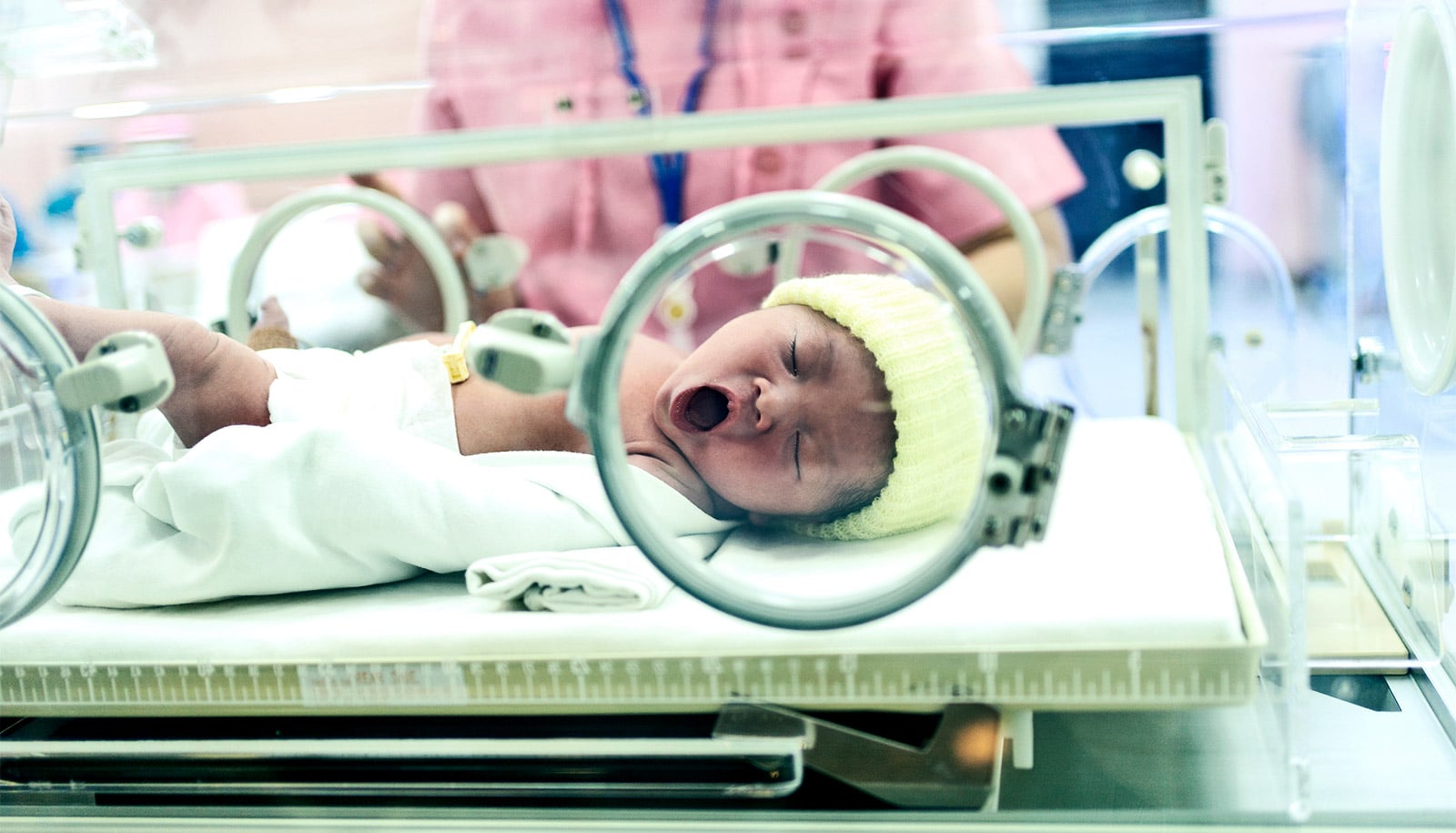
Babies born to lower-income families are more likely to be born too small or too early—and in some cases, disparities are getting worse, according to new research.
The study, which included 380,000 births across the United States between 2012 and 2022, is one of the few to directly link income to a baby’s health at birth.
Moms with lower incomes had worse birth outcomes across all newborn-health metrics. The gap between lower- and higher-income families stayed consistent over the 10-year study period, with one exception. Low birthweight, a key indicator of infant health, rose more sharply among lower-income families compared to a much smaller increase for higher-income families.
“The growing gap in low birthweight was surprising and especially concerning, particularly because it was largely driven by increasing rates among the lower-income families,” says Emily Dore, postdoctoral fellow at Harvard TH Chan School of Public Health and lead author of the study.
The findings suggest that financial strain can affect a baby’s health from the very start. Programs like income support and food assistance help offset hardships. But the generosity of social safety nets varies by state and may not be enough. The authors hope the study can inform policymakers to invest in resources to support families during and after pregnancy.
“Moms are exposed to all kinds of conditions that affect their health before they even get to a doctor. Worrying about housing, food access—the stress from financial hardship gets under the skin and causes the body to malfunction,” says Megan Reynolds, sociologist at the University of Utah and coauthor of the study.
“Health care only explains a small share of health disparities. We need to think more broadly about what health policy is.”
The researchers used the Center for Disease Control’s Pregnancy Risk Assessment Monitoring System (PRAMS), a national survey that has collected maternal health and infant data since the 1980s. In spring of 2025, the CDC PRAMS office was shuttered indefinitely and is at risk of disappearing.
Preterm births—when babies are born before 37 weeks of pregnancy are completed—is a leading cause of infant illness and death. Babies born too early and underweight have higher risks of serious health problems, developmental delays, and lifelong developmental challenges. Tracking these trends over time is crucial to know whether maternal and infant health is improving in the US—and where more support is needed.
“PRAMS is such a treasure; it’s one of the only datasets that captures what’s happening around birth, as well as the circumstances surrounding birth,” says Reynolds.
“We hope that our PRAMS-driven analysis helps policymakers and clinicians adopt a social-policy-as-health-policy philosophy to make moms and babies healthier.”
About 37% of mothers in the study were classified as low-income, which the authors define as living below 200% of the federal poverty level. These women had worse birth outcomes across nearly every metric of newborn health, including higher rates of preterm births and shorter pregnancies, as well as higher rates of low birthweight and lower average birthweight overall.
The stark differences between lower-income and higher-income families were consistent across the ten years included in the study. Low birthweight became significantly more common among lower-income families, from 7.2% in 2012 to 9.4% in 2022. In contrast, it rose only slightly among higher-income mothers, from 5.7% to. 6.3%.
“Our study suggests that interventions that reduce poverty, such as anti-poverty policies, may be especially needed at this moment to provide these babies with the opportunity to live long, healthy lives,” Dore says.
Daniel Collin and Rita Hamad of the Harvard School of Public Health also contributed to the study
The research appears in JAMA Pediatrics.
This study was supported by grants from the National Institutes of Health.
Source: University of Utah