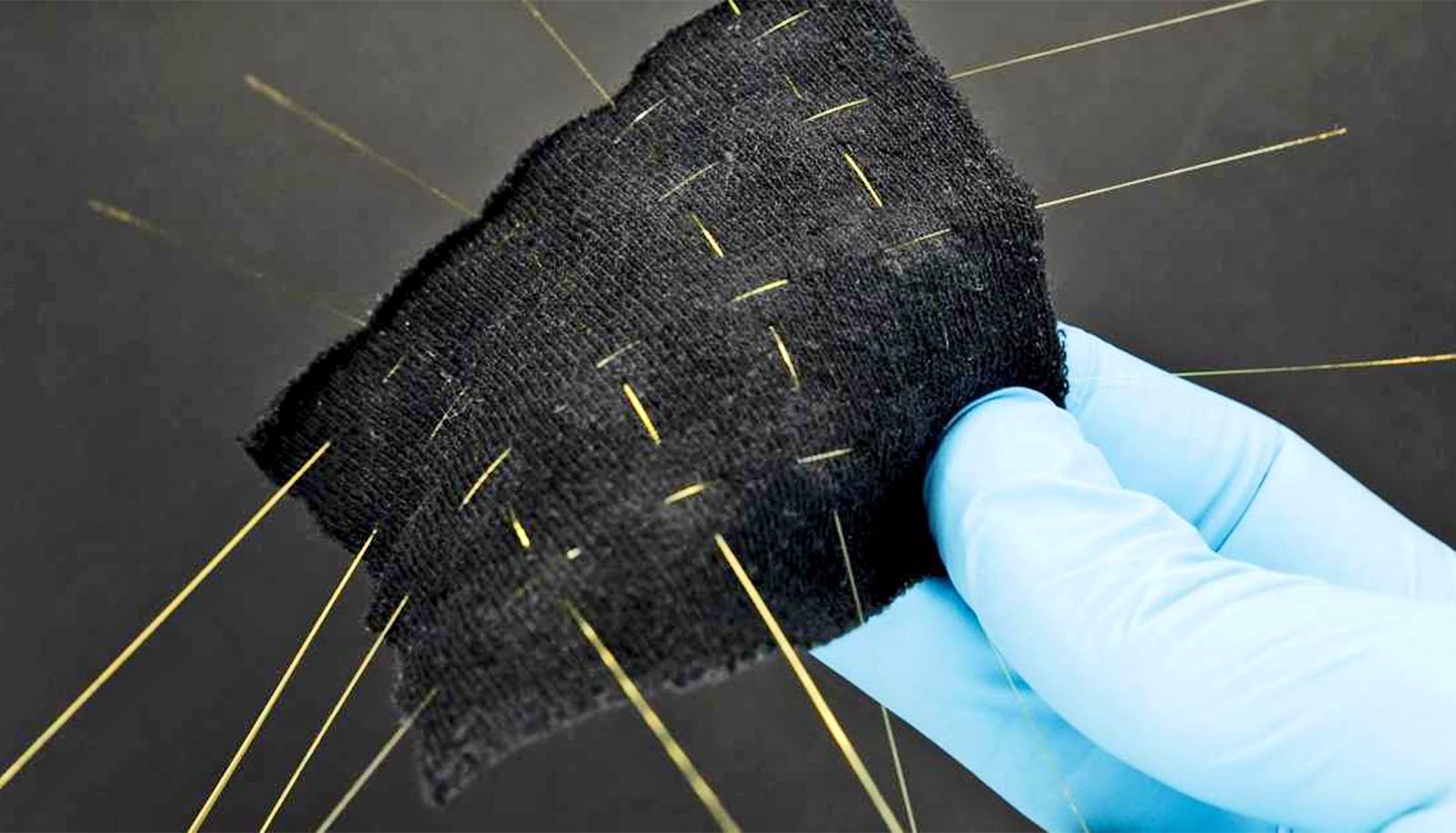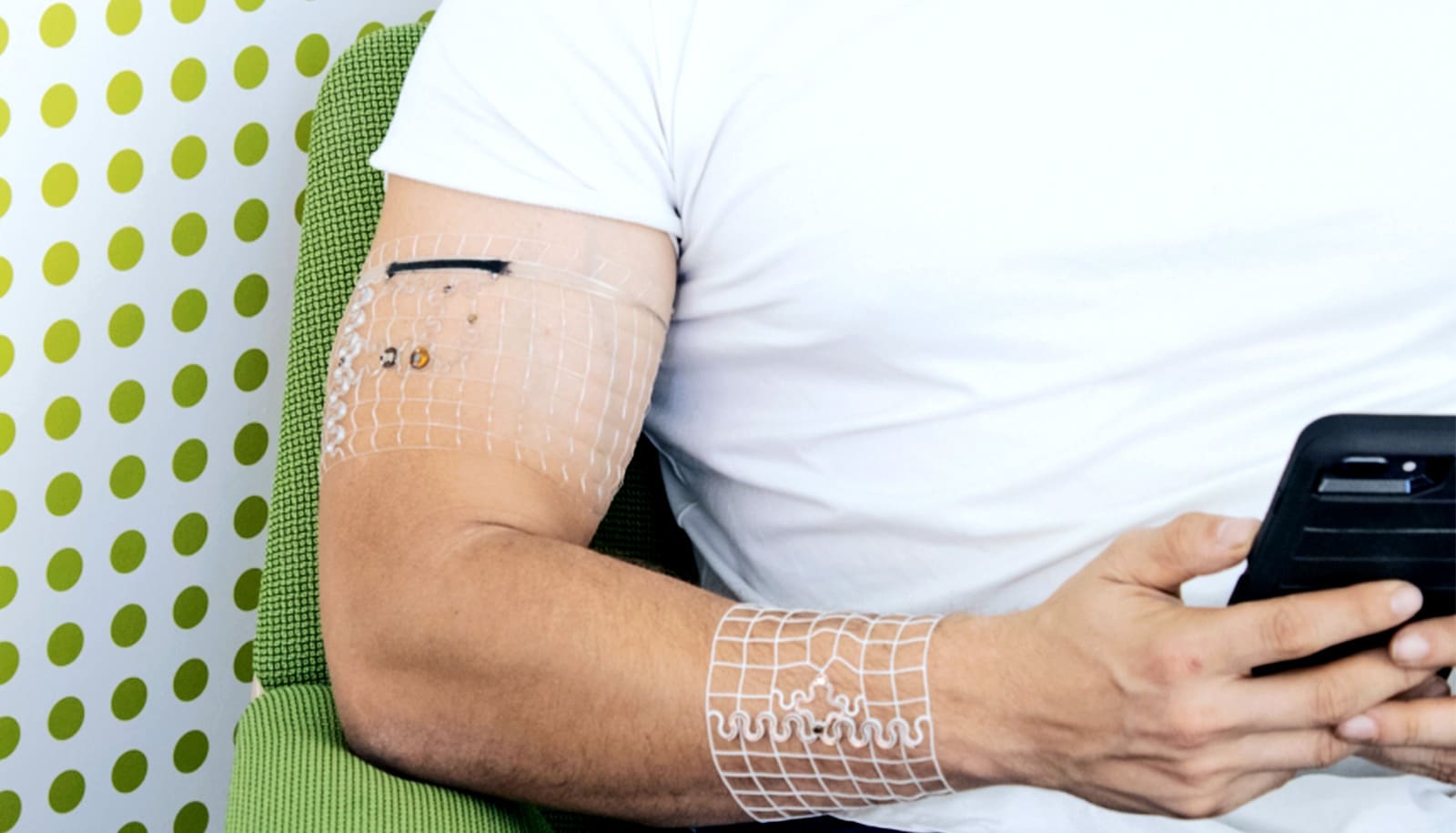
Researchers are exploring how the clothes people wear can potentially track and protect their health.
Smart textiles are fabrics that can monitor the body’s vitals and movement in real time. They’re flexible and lightweight, making them more comfortable to wear while moving.
The present publication focuses on MXenes, a class of two-dimensional, microscopic materials made from metals that can be coated or printed onto fabrics.
The researchers conducted a comprehensive analysis of hundreds of published studies to examine the different properties of MXenes and how they could be used in smart textiles.
“MXenes have some advanced properties,” says Joyjit Ghosh, corresponding author of the study and a doctoral student in University of Georgia’s College of Family and Consumer Sciences. Not only can they detect body temperature, blood pressure, and heart rate, he says, but they are also antimicrobial, making them ideal for hospital settings.
A major focus of the review was the potential for using smart textiles in health care. With smart fabrics, wearers can track their health. Doctors and other health professionals could monitor a patient’s vitals and get alerts if the fabric detected irregular heart rate, blood pressure, or temperature.
These fabrics could also react to changes in the body, helping to regulate body temperature. Being able to fend off bacteria could be a great asset in hospital settings as well, the researchers say.
“These MXene-based smart textiles can help prevent bacterial growth,” Ghosh says.
“There is always a possibility of bacterial contamination with medical textiles. But if we use MXene-coated textile materials, we will get those antimicrobial properties, which are needed in hospitals.”
Smart textiles could also be ideal for fitness enthusiasts who want to monitor their progress and improve their health.
Unlike most smartwatches, smart textiles gain power through the sun. This solar power could not only help the sensors work but also be used as a built-in power bank, the researchers say.
“We can store the energy we’re getting from the sun,” Ghosh says. “If we want, we could put our cellphone in our wearable textiles so that it can be charged. The fabric would have thin energy harvesting and storage layers built directly into it, functioning like a flexible, wearable power bank that could charge a phone or even a laptop in the near future.”
MXenes do have weaknesses, however, the review found.
The materials become less effective when exposed to oxygen or water, so they may not work as well after multiple washings. They are also produced using non-sustainable materials.
Ghosh is hopeful his lab will be able to overcome those challenges.
“We are working on how to reduce oxidation and how to prepare MXenes using some sustainable and environmentally friendly materials,” Ghosh says.
“MXenes are made from metal-based compounds that require energy intensive processing. We are trying to prepare MXenes with biodegradable materials so that we can get a sustainable product as well as one which has longer durability.”
This review appears in ACS Omega.
Source: University of Georgia