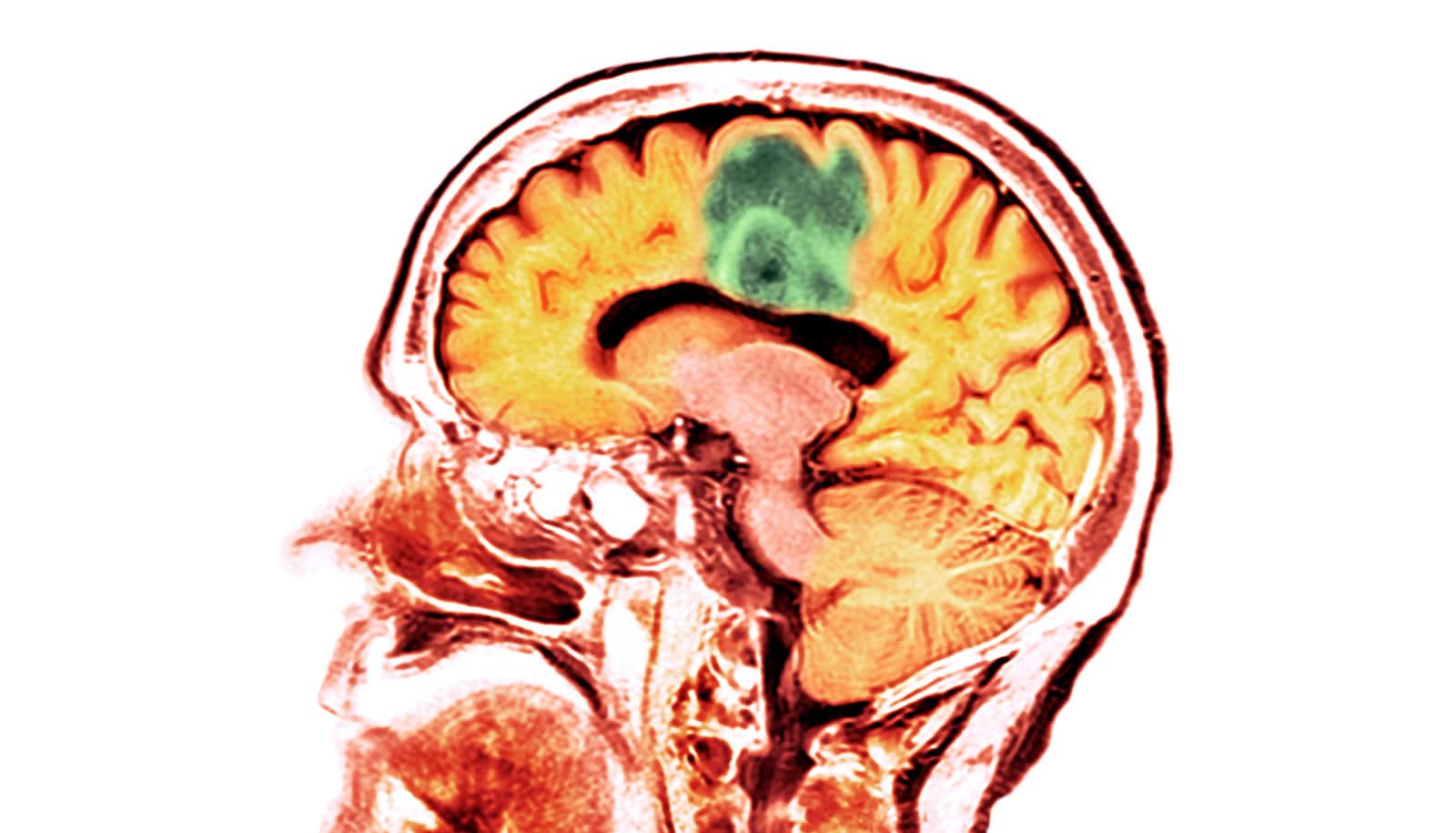
Patients with traumatic brain injuries who complete computerized cognitive games show improved neuroplasticity and cognitive performance, according to new research.
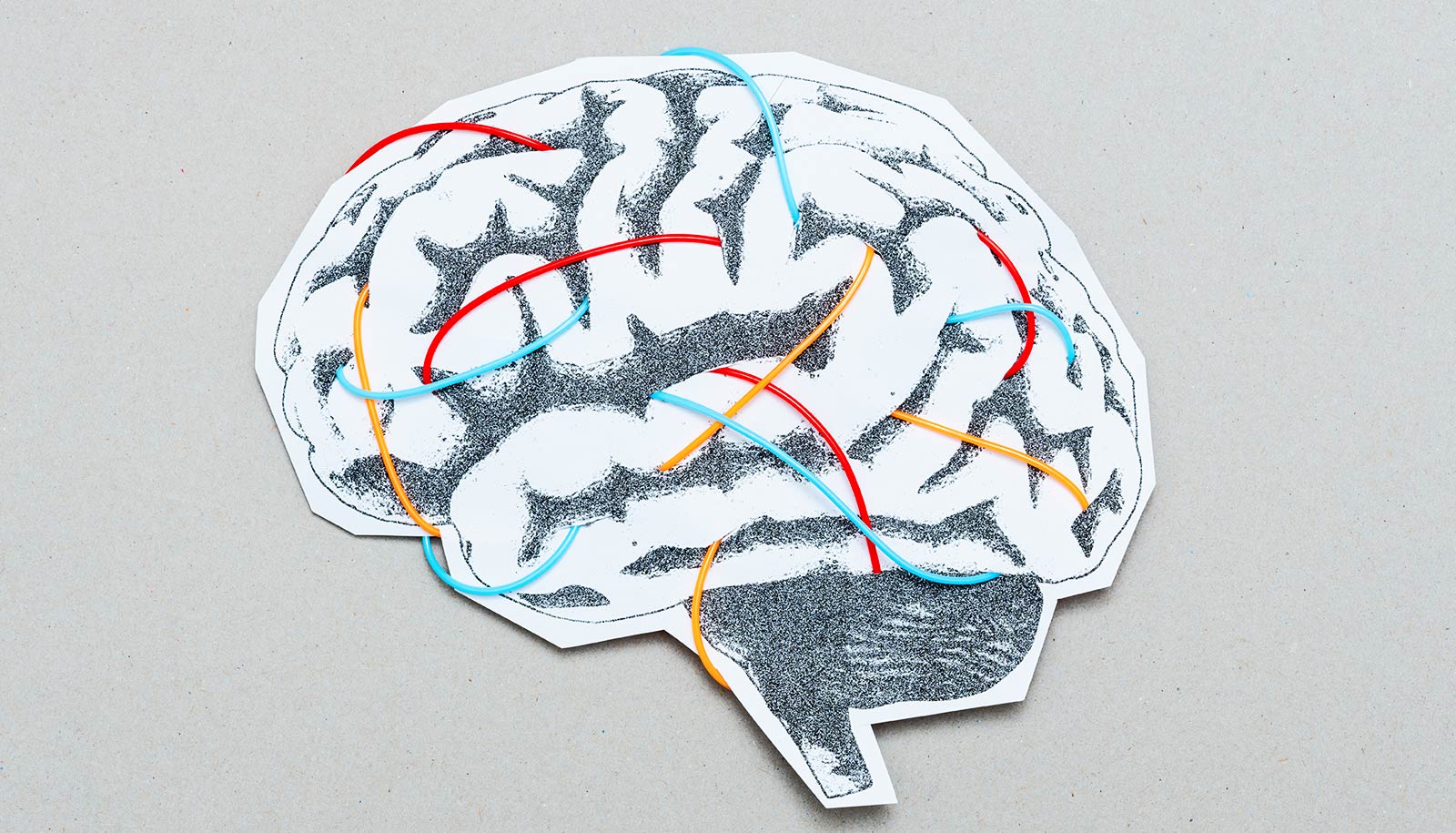
Neuroplasticity is the brain’s ability to change and reorganize nerve fibers that are responsible for learning and processing. The nerve fibers facilitate communication among neurons for functions including speech, memory, and problem solving.
In a healthy brain, there are myriad bundles of strong nerve fibers for these functions, but in an injured brain, these fibers can be damaged and the connections can be reduced (similar to telephone wires after a heavy storm). The researchers’ findings offer new insight into the brain’s resilience and ability to repair itself.
“This study demonstrates changes in the brain’s white matter and shows that computerized cognitive remediation in adults with chronic brain injury can induce neuroplasticity,” says senior author Gerald Voelbel, associate professor of cognitive neuroscience at NYU Steinhardt.
“It builds on our earlier studies showing how these computer games can improve cognition as well as change the connections between brain regions and the structure of the pathways that connect the brain regions.”
Researchers randomly assigned 17 adults (ages 24-56) with chronic traumatic brain injuries (TBI) to either an experimental group that played computer games or the control group. The experimental group used the Brain Fitness Program 2.0, a computer program with cognitive games that include recalling syllable sequences, distinguishing between different sound frequencies, and recalling details from a verbal story. Participants completed 40 one-hour sessions over 14 weeks.
Using diffusion magnetic resonance imaging, which measures the speed and direction of water molecules traveling through the brain, the researchers found that participants who completed the games saw significant changes in neuroplasticity over time compared to the group that did not complete them.
These changes were related to improvements on objective measures of participants’ processing speed, attention, and working memory.
“This study reveals that the changes in the nerve fibers, such as increased strength and stability, were related to the improved cognitive ability in adults with a chronic brain injury,” says Voelbel.
“This provides great evidence that the brain can change over time, even in people with a brain injury, with computer exercises that improve cognitive abilities.”
The research appears in the Journal of Neurotrauma.
Source: NYU