Science & Technology
Science & Technology - Oct 15, 2012 11:15 - 0 Comments
Scientists build biggest gene circuit yet
WASHINGTON U. – ST. LOUIS (US) — Scientists have made the largest gene circuit ever reported—a step toward programming engineered bacteria to clean, produce biofuel, or fight infection. (more…)
Science & Technology - Oct 15, 2012 6:16 - 0 Comments
For science papers, twice is the charm
MCGILL (CAN) — A bit of early rejection tends to pay off later, according to a new study that examines the fates of research papers initially turned down by scientific journals. (more…)
Science & Technology - Oct 12, 2012 15:54 - 0 Comments
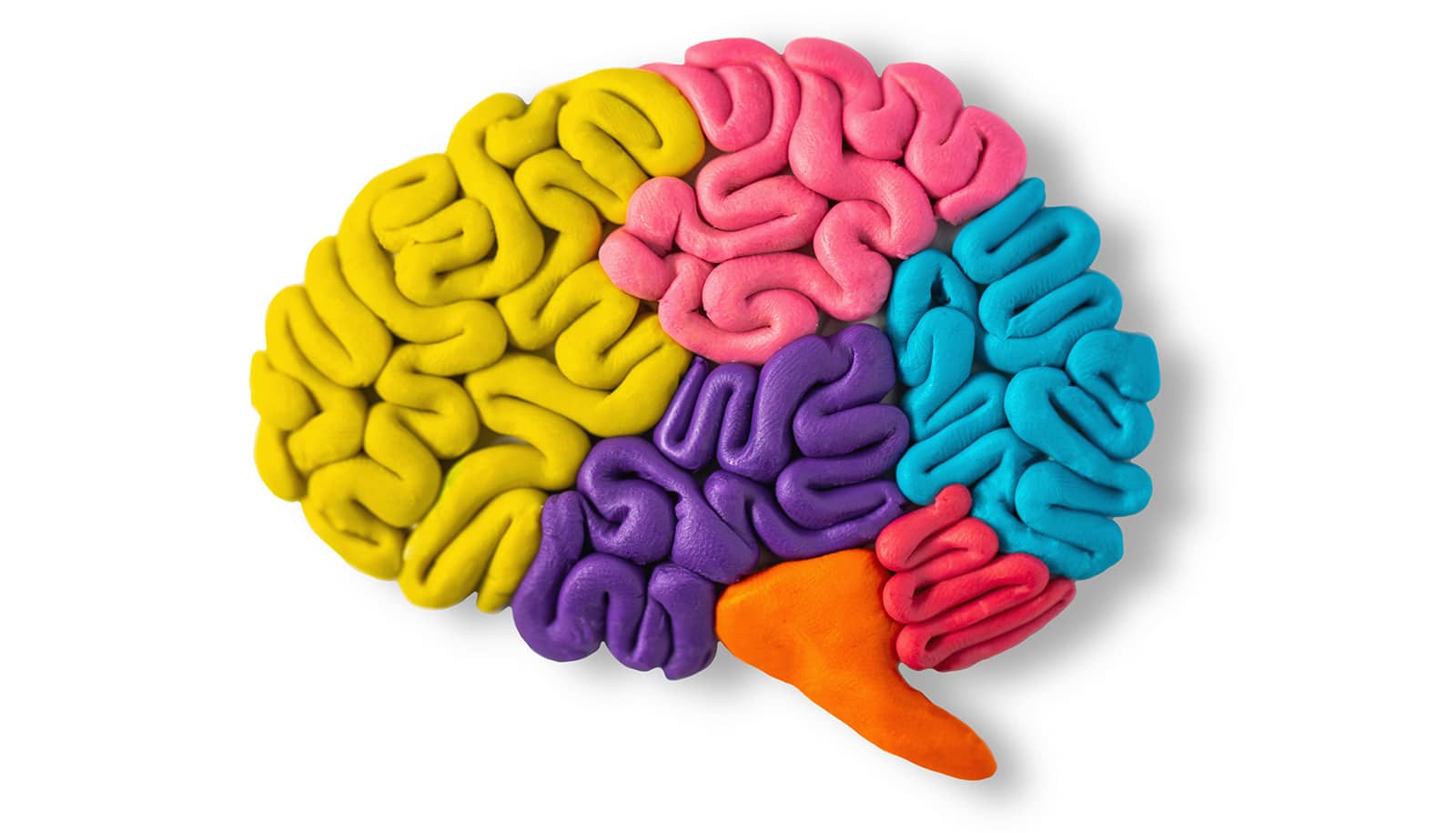
Brain scans may predict kids’ reading skills
STANFORD (US) — Brain scans can identify the neural structures associated with poor reading skills in young children, and could lead to an early warning system for struggling students. (more…)
Science & Technology - Oct 12, 2012 11:20 - 0 Comments
Nano-material copies butterfly colors
U. PENNSYLVANIA (US) — Researchers have figured out how to recreate the bright, beautiful colors of butterfly wings, as well as their ability to strongly repel water. (more…)
Science & Technology - Oct 11, 2012 14:56 - 2 Comments
Can mice learn to change their tune?
DUKE (US) — Like people and song-learning birds, male mice may have certain brain features that they use to learn some of their sounds, new research shows. (more…)
Science & Technology - Oct 11, 2012 12:57 - 3 Comments
‘Missing link’ fossil preserves oldest brain
U. ARIZONA (US) — An extinct arthropod’s fossil reveals that anatomically complex brains evolved earlier than previously thought and have changed little over the course of evolution. (more…)
Science & Technology - Oct 11, 2012 12:50 - 0 Comments
Diamond planet is twice the size of Earth
YALE (US) — A rocky planet twice the size of Earth that is orbiting a nearby star appears to be made largely out of diamond, new research suggests. (more…)
Science & Technology - Oct 10, 2012 15:13 - 0 Comments
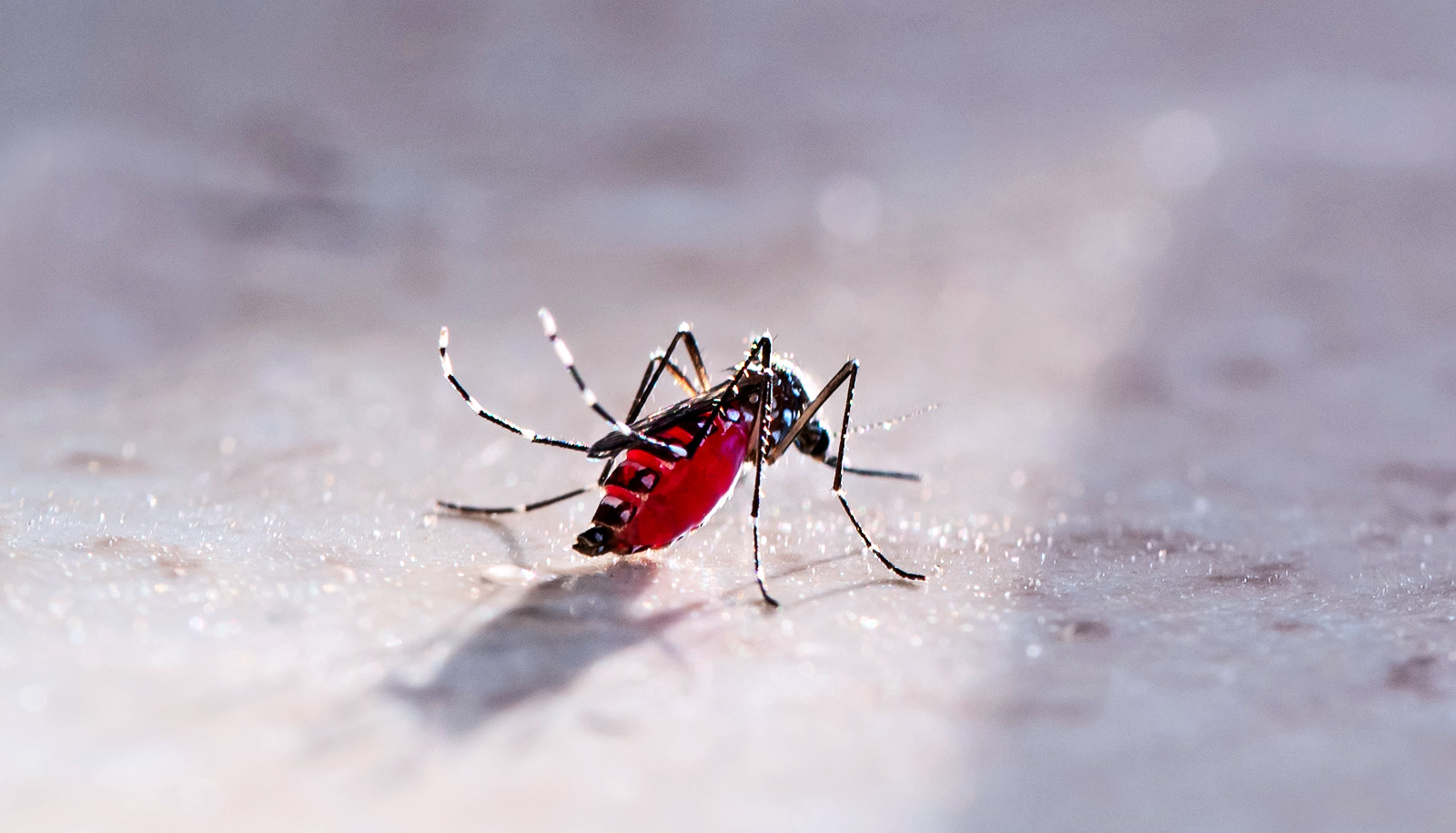
Mosquito genes suggest climate flexibility
U. OREGON (US) — Using cutting-edge genetic tools, scientists have shown that temperate and polar animal species may be much more resilient to rapid climate change than previously expected. (more…)
Science & Technology - Oct 10, 2012 14:56 - 0 Comments
Light up graphene for circuits on demand
RICE (US) — Scientists are developing a new way to use light to dope graphene, the ultrastrong, highly conductive, single-atom-thick form of carbon. (more…)
Science & Technology - Oct 10, 2012 12:21 - 2 Comments
Why wine and cheese are a classic combo
RUTGERS (US) — New research explains why a nice glass of wine goes well with a hearty steak: the astringent wine and fatty meat are at opposite ends of a sensory spectrum. (more…)
Science & Technology - Oct 10, 2012 9:06 - 1 Comment
Lizard’s new tail no match for original
U. ARIZONA (US) — When a lizard regrows its tail, the new version is a functional replacement, but not an exact replica of the original, say researchers. (more…)
Science & Technology - Oct 9, 2012 16:17 - 1 Comment
Enough water vapor in ‘star’ cloud to fill 2,000 oceans
U. LEEDS (UK) — A distant gas and dust cloud that is likely to collapse into a Sun-like star has enough water vapor to fill Earth’s oceans more than 2,000 times over. (more…)
Science & Technology - Oct 9, 2012 15:47 - 0 Comments
Like us, pulsars slow down as they age
U. SOUTHAMPTON (UK) — The spin of a pulsar slows down as it gets older and scientists have now developed a mathematical model to predict how the process develops in individual stars. (more…)
Science & Technology - Oct 9, 2012 15:42 - 0 Comments
Without any pests, plants relax quickly
CORNELL (US) — When researchers removed bugs, a species of native wildflower let its guard down after just three to four generations. (more…)
Science & Technology - Oct 9, 2012 11:38 - 0 Comments
Brain map predicts people’s ‘visual world’
U. PENNSYLVANIA (US) — Scientists have created a map of vision in the brain based upon an individual’s brain structure, even for people who cannot see. (more…)
Science & Technology - Oct 8, 2012 12:27 - 0 Comments
Like vs. dislike shifts how brain ‘sees’
USC (US) — Liking, or disliking, the person you’re watching can actually have an effect on how the brain processes movement. (more…)
Science & Technology - Oct 5, 2012 17:01 - 1 Comment
Trick turns plain old paper into medical test
U. WASHINGTON (US) — A chemical trick turns regular paper into a device similar to a home-based pregnancy test, and it might work for malaria, diabetes, or other diseases. (more…)
Science & Technology - Oct 5, 2012 10:28 - 0 Comments
Insanely fast star puts Einstein’s theory to the test
U. TORONTO (CAN) — A star orbits the massive black hole at the Milky Way’s center in 11.5 years—less time than Jupiter takes to orbit the Sun. (more…)