U. PITTSBURGH (US) — Older people and young adults may have more in common than previously believed, at least where sleep is concerned, research shows.
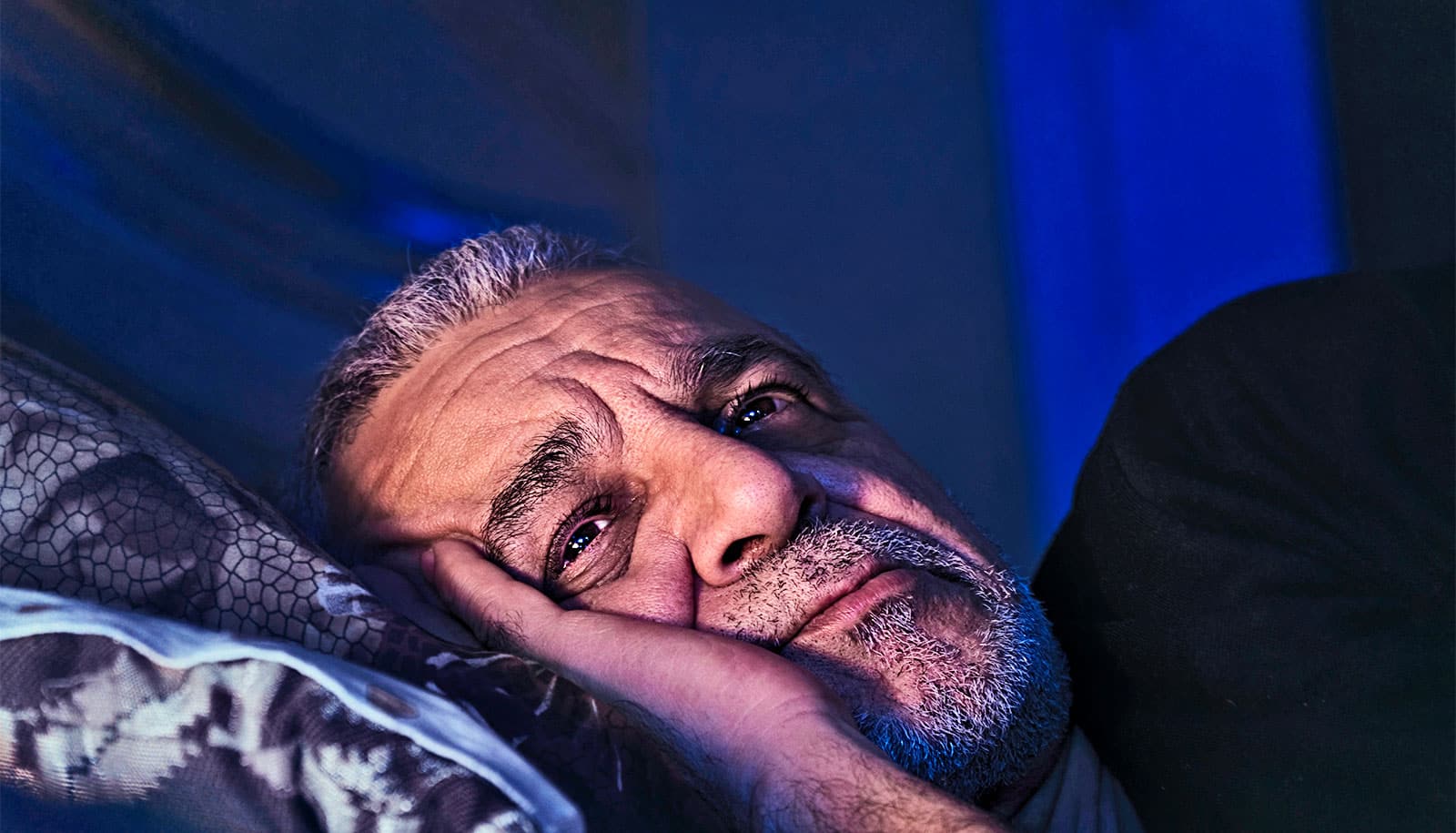
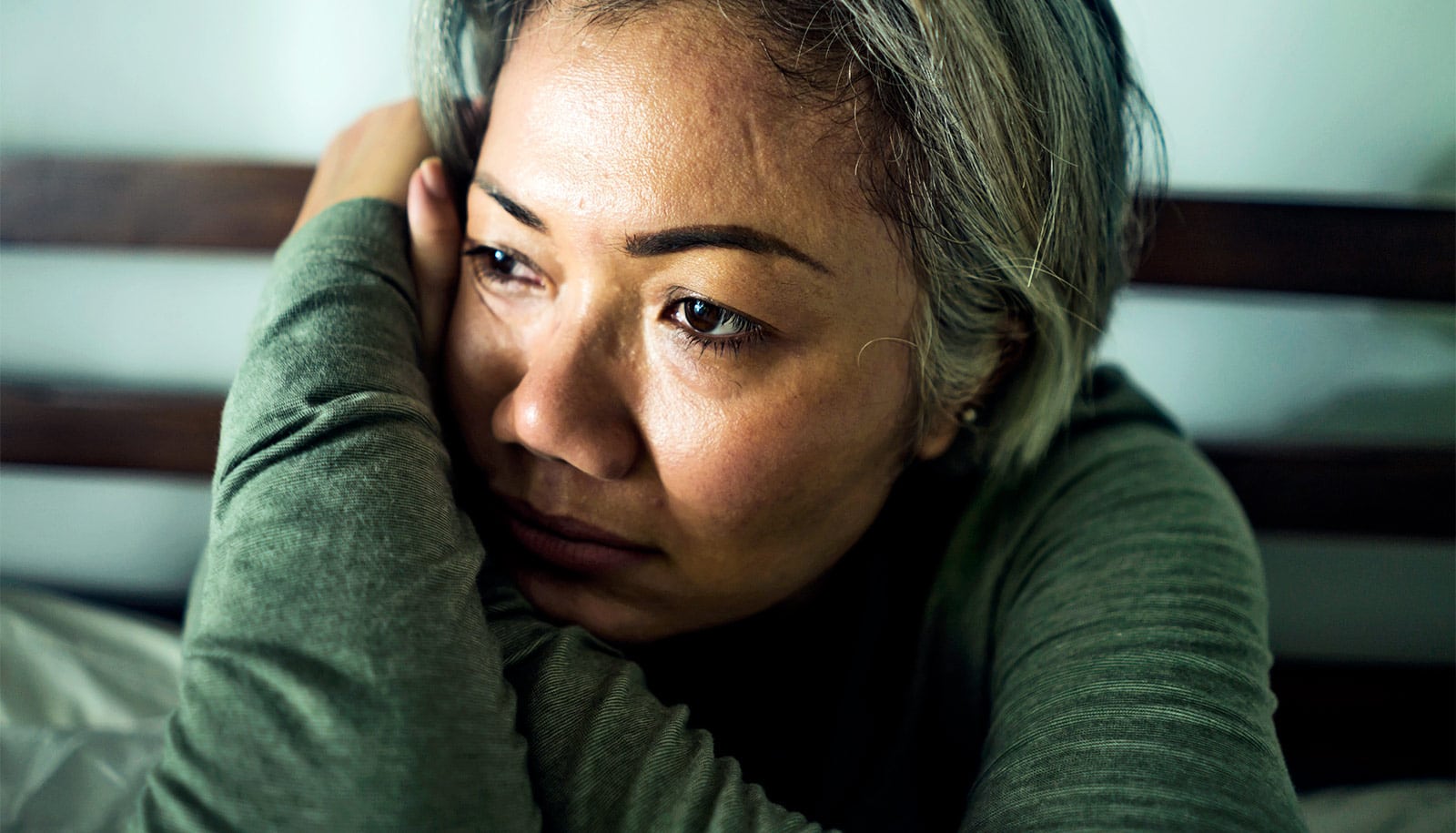
A new study published in Healthy Aging and Clinical Care in the Elderly finds that more than half of all retired people 65 and older report sleeping at least 7.5 hours per night, and between the hours of 11 p.m. and 7:30 a.m., a finding that runs contrary to the commonly held assumptions that most elderly people go to bed early and have trouble sleeping through the night.
Conducted over five years, the study is among the first to provide empirical self-report data on the timing, quality, and duration of sleep, as well as levels of daytime sleepiness in a large sample of retired older adults.
[sources]
“Our findings suggest that in matters regarding sleep and sleepiness, as in many other aspects of life, most seniors today are doing better than is generally thought,” says lead author Timothy H. Monk, professor of psychiatry at the University of Pittsburgh Medical Center’s Western Psychiatric Institute and Clinic.
“The stereotype of most seniors going to bed at 8 p.m., sleeping very lightly, and being unduly sleepy during the day may be quite inaccurate, suggesting that 60 really is the new 40.”
Researchers based the study on extensive telephone interviews with nearly 1,200 retired seniors in western Pennsylvania. About 25 percent said they slept less than 6.7 hours per night and experienced problems with nocturnal sleep and daytime sleepiness. The remaining 75 percent reported sleeping more than 6.75 hours, on average.
Past studies have highlighted the chronic sleep disruption often experienced by older adults, but few were supported by strong empirical data and many concentrated on illness, furthering stereotypical beliefs that older adults sleep for shorter periods of time, go to bed and rise very early, and experience daytime sleepiness.
Additional observations include:
- Age-related sleep issues in seniors may depend largely on the health of the individual, rather than on the age of that individual
- Most seniors do not have reliably earlier bedtimes than younger adults and report obtaining at least 7.5 hours of sleep per night
- Daytime sleepiness in seniors often can be associated with medications, illnesses and poor nocturnal sleep, and may not be necessarily associated with age
“The take-away for older adults is that if you can keep yourself healthy and avoid or treat age-related diseases and disorders, then you’ll be able to sleep like a younger adult,” Monk says.
“Although some seniors do have huge sleep problems which need to be understood and treated, the majority of seniors are not reporting significant problems with either nocturnal sleep or daytime sleepiness.”
The study was supported by a grant from the National Institute on Aging.
Source: University of Pittsburgh